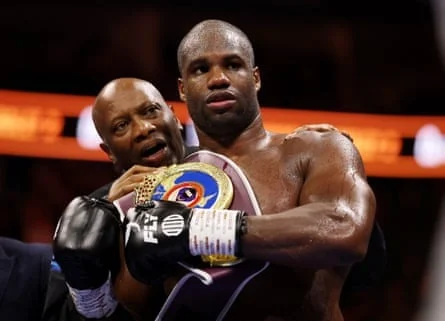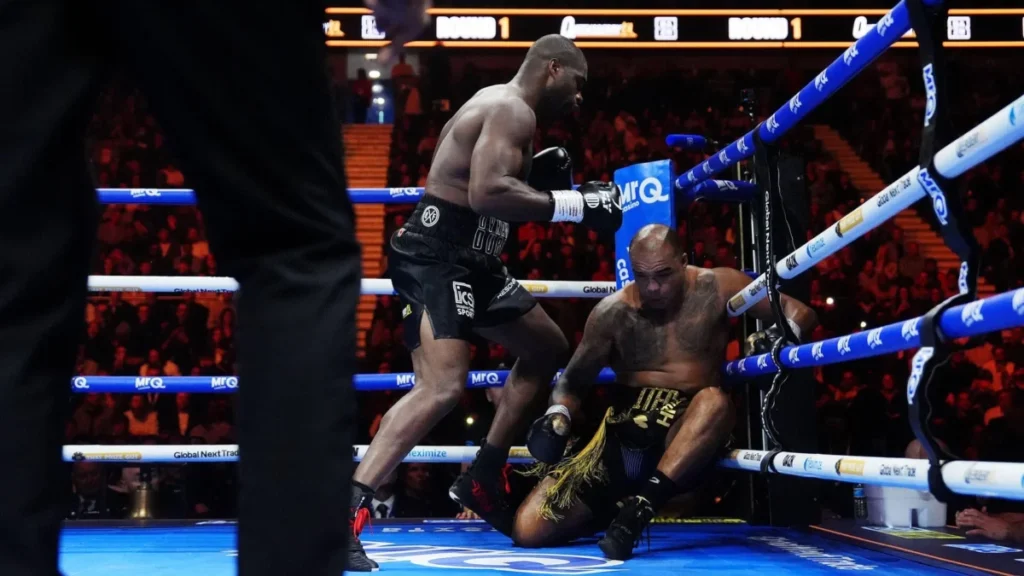



In the demanding world of martial arts, possessing a strong and conditioned body is often viewed as the primary ticket to success, yet it represents only half the battle. The other half—frequently overlooked by novices and casual observers alike—is the cultivation of deep mental resilience. Mental toughness serves as the invisible backbone of every successful fighter. It is the sophisticated psychological machinery that enables an athlete to remain completely calm under immense pressure, push efficiently through agonizing pain, and maintain razor-sharp focus even when the competitive odds are heavily stacked against them.
In modern combat sports and traditional disciplines alike, mental toughness is just as critical as physical conditioning when stepping into the squared circle, the cage, or onto the mat. The pursuit of excellence requires understanding how to systematically develop a fighter’s mindset, ensuring that practitioners do not merely survive the grueling trials of training, but genuinely thrive in the complex world of martial arts.
What is Mental Toughness in Martial Arts?
Before examining the various techniques and experiences associated with building mental fortitude, it is essential to define what mental toughness actually means within the specific context of martial arts. Mental toughness is not simply about enduring punishment or adopting a stubborn attitude; rather, it is the sophisticated psychological strength that allows fighters to perform at their absolute peak, even when operating under extreme stress. It provides the necessary mental discipline to keep pushing forward when the human body screams to quit, the emotional control required to stay remarkably composed in the heat of battle, and the psychological resilience needed to bounce back swiftly from devastating setbacks.
This specialized mindset is crucial not only during high-stakes competition but also throughout the daily grind of the training room. The most accomplished martial artists have mastered the ability to remain anchored and determined, regardless of how hostile or challenging the surrounding circumstances become. Whether an athlete is deep into the final grueling rounds of a sparring session, facing down an intimidating and heavily favored opponent, or quietly navigating the long, arduous recovery process following a difficult loss, mental toughness enables them to stay grounded, confident, and persistent.
Within martial arts, the ultimate battle is fought as much within the theater of the mind as it is through physical collisions of the body. Developing this decisive psychological edge often proves to be the defining factor between securing victory and tasting defeat, or between continuous athletic improvement and a frustrating training plateau.
The Importance of Mental Toughness for Fighters
The fundamental question frequently asked by aspiring competitors is why mental toughness holds such an irreplaceable place in martial arts. While raw physical strength, fluid agility, and technical proficiency are undeniably essential components of an athlete’s arsenal, mental toughness is the catalyst that allows a fighter to actually access and apply those physical skills when the pressure reaches its boiling point.
Fighters must constantly confront an array of relentless mental and physical hurdles, including acute exhaustion, visceral fear, nagging self-doubt, and sharp physical pain. Without the bedrock of a strong mind, it is remarkably easy for an athlete to crumble under the heavy demands of combat sports. A fighter’s entire competitive identity is built upon the foundational pillar of mental toughness, ensuring that no matter how hostile or difficult the battle eventually becomes, they remain fully prepared to meet the challenge head-on.
Building Mental Toughness in Training
Developing genuine mental toughness in martial arts is a gradual process that never happens overnight. It requires deliberate cultivation and continuous reinforcement over extended periods, forged both inside the traditional gym environment and in the quiet hours outside of formal practice. Fostering a resilient mindset during training demands that athletes regularly subject themselves to controlled discomfort, forcing their psychological faculties to adapt to high-stress scenarios just as their muscular and cardiovascular systems adapt to physical exertion. Training the physical body is undeniably important, but matching that effort with an equivalent commitment to training the mind to face and overcome adversity remains paramount for long-term survival and success in the sport.
Overcoming Fear and Anxiety in Martial Arts
Fear and anxiety are entirely natural, biological reactions, particularly when an athlete is preparing to step into the competitive ring for the very first time or is forced to square off against a profoundly daunting opponent. The key to successfully navigating and ultimately overcoming these powerful emotions lies in the deliberate construction of mental toughness. By implementing proven psychological strategies to combat pre-fight nerves, fighters can systematically strip fear of its paralyzing power. Developing the necessary mental fortitude to manage anxiety ensures that when the bell finally rings and it is time to fight, the athlete’s cognitive energy remains entirely directed toward optimal performance rather than being squandered on paralyzing apprehension.
Applying Mental Toughness Beyond the Gym
One of the most profoundly rewarding aspects of cultivating mental toughness through martial arts is that the benefits rarely remain confined within the four walls of the training facility. Instead, these psychological attributes inevitably carry over into the practitioner’s daily life outside of sports. The resilience, hard-earned discipline, and unwavering focus forged during intense training sessions provide invaluable tools for handling complex challenges in personal relationships and professional environments alike. Whether an individual is facing suffocating stress at work, navigating difficult interpersonal situations, or striving toward long-term personal goals, the mental toughness developed on the mats serves as a reliable anchor. By actively strengthening the mind through athletic adversity, practitioners prepare themselves to face whatever unexpected obstacles life chooses to present.
Conclusion: A Fighter’s Mindset for Success
The ongoing journey of developing mental toughness in martial arts moves forward in tandem with rigorous physical preparation. It encapsulates the raw reality of blood, sweat, toil, and love—embracing difficult challenges, expertly managing volatile emotions, and persevering indefinitely through periods of adversity. Armed with the correct mindset, practitioners possess the capacity to conquer fear, push far past perceived personal limits, and elevate their standing not only as martial artists, but as resilient human beings.
Mental toughness is not a trait that manifests overnight, but through consistent daily effort and unwavering focus, it ultimately solidifies into an integral component of both a fighter’s unique style and their everyday existence. Staying strong, maintaining focus, and respecting the quiet power of a resilient mind remains essential for anyone seeking true longevity in the sport.