
For decades, one of the most persistent and fiercely debated traditions in combat sports has centered around what a fighter should—or should not—do in the bedroom during training camp. Long before modern sports science began analyzing the physiological effects of physical intimacy on athletic performance, old-school trainers operated on a simple, uncompromising philosophy: absolute sexual abstinence is required to preserve energy, focus
, and leg strength ahead of a major bout.
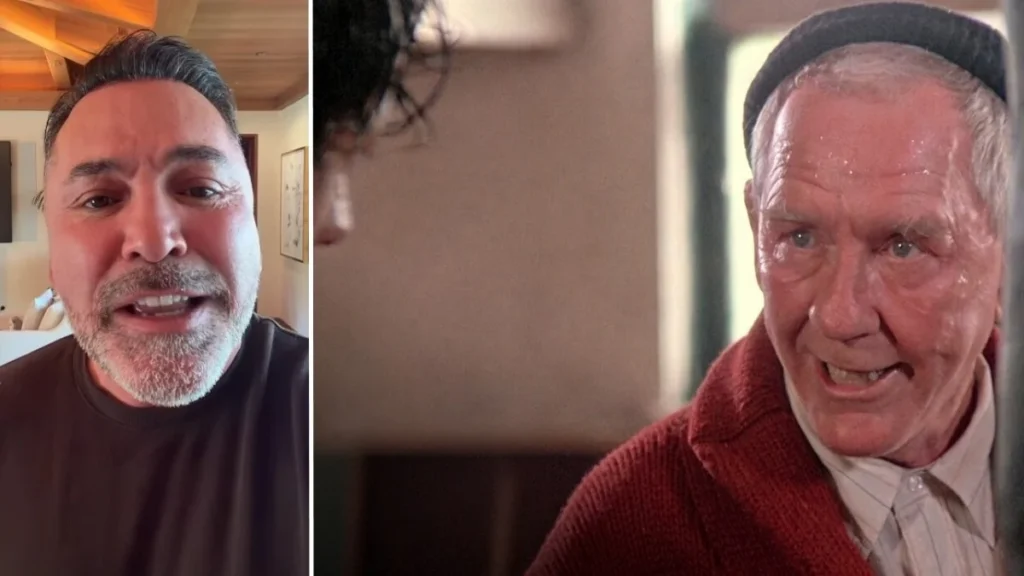
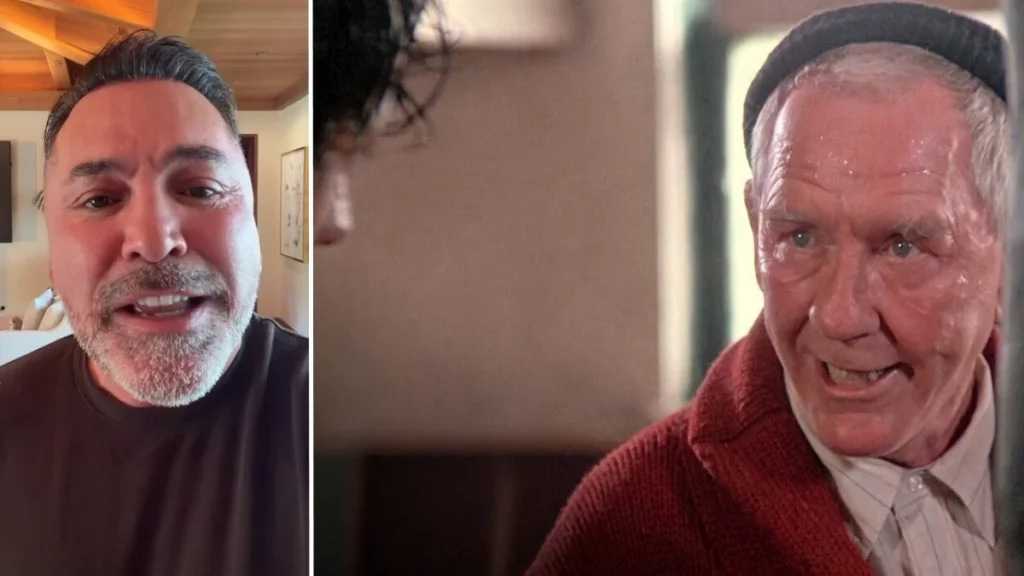
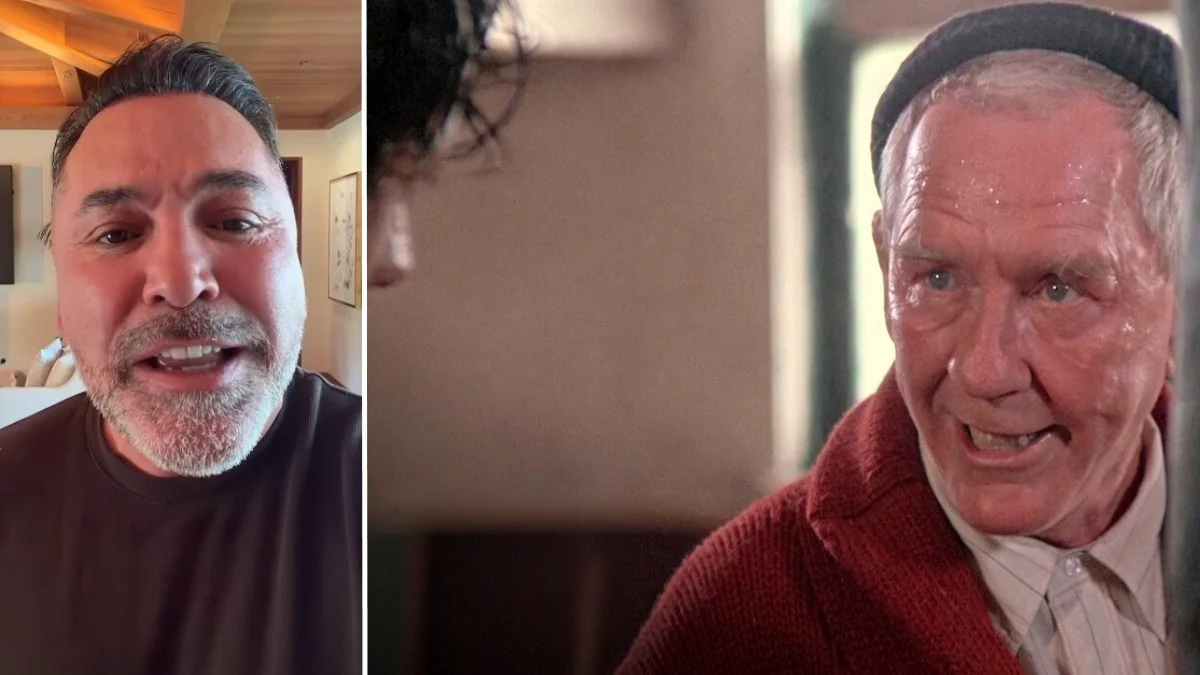
While this belief has circulated through boxing gyms for generations, it was thrust permanently into mainstream popular culture nearly fifty years ago by a fictional character. In Sylvester Stallone’s Oscar-winning 1976 classic Rocky, crusty veteran trainer Mickey Goldmill, played by Burgess Meredith, famously caught a young Rocky Balboa distracted by his growing affection for his girlfriend, Adrian. Mickey issued a stern, unforgettable warning during a grueling training session, declaring in his raspy voice that "women weaken legs." When Rocky protested that he genuinely cared for Adrian, Mickey shut down the conversation with the legendary retort: "Then let her train ya!"
The scene cemented the notion of training camp celibacy in the public imagination, transforming a niche boxing superstition into an enduring athletic myth. Now, almost five decades after Mickey offered his iconic advice on screen, six-division world champion and Olympic gold medalist Oscar De La Hoya has officially weighed in on whether the fictional trainer had it right all along.
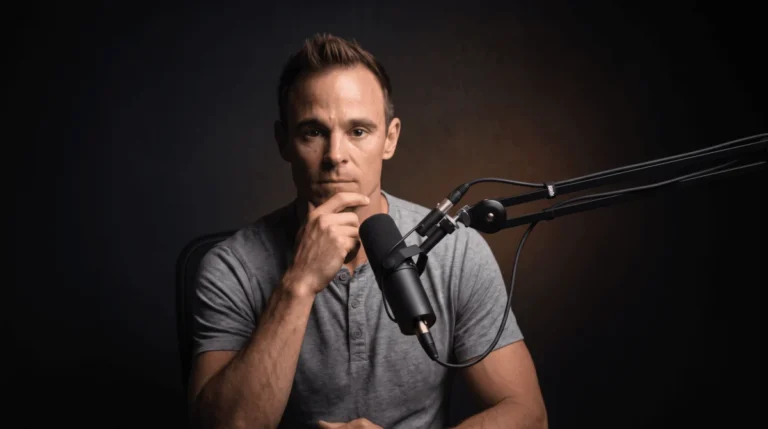
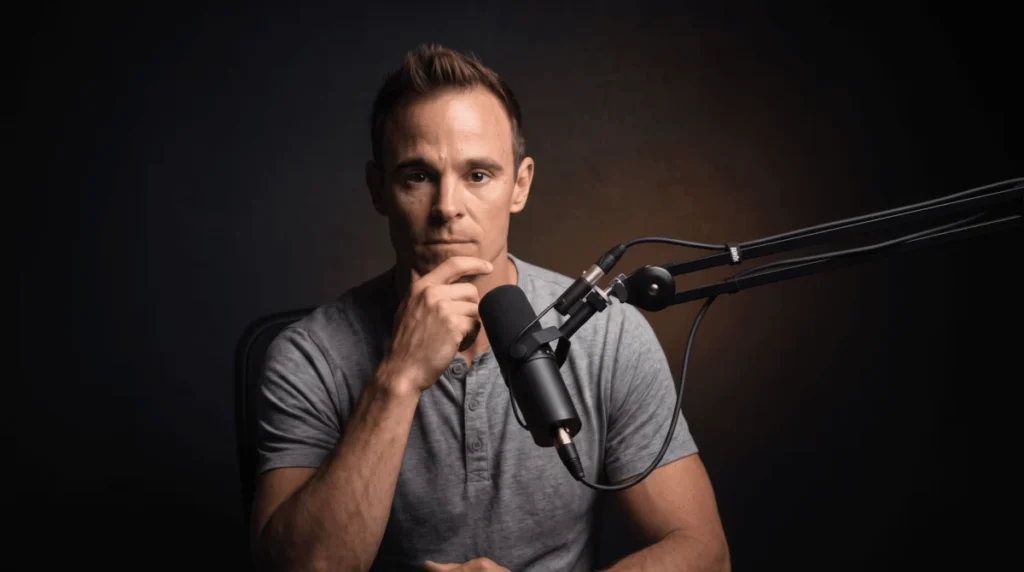
Addressing the topic in a candid video post offering direct advice to active fighters, titled "Been There Done That," De La Hoya shared his personal philosophy regarding sexual activity in the build-up to fight night, revealing that he strictly adhered to the old-school rule throughout his legendary hall-of-fame career.
"I’m going to share my two cents on sex before a fight. Just listen and learn from a master," De La Hoya told viewers, posing the age-old question directly to his audience. "Is it a real thing? Is it real? Does it make your legs weak?"
Without hesitation, the former champion provided his definitive verdict: "I believe it does."
Reflecting on his journey through the ranks of professional boxing—a career that saw him capture world titles across six different weight divisions while facing the most formidable opponents of his era—De La Hoya explained that he treated the ancient belief with absolute seriousness. For "The Golden Boy," preserving his legs and sharp reflexes required complete discipline, which meant imposing a strict ban on intimacy whenever a fight was on the horizon.
"And I will tell you from experience, there was no boning before a fight for me," De La Hoya stated, making it clear that he allowed no exceptions to his training camp routine.
Whitaker Training Camp Admission
To illustrate just how extreme his self-discipline was during his prime, De La Hoya shared a remarkably personal story from one of the most significant training camps of his entire professional career.
In early 1997, De La Hoya was preparing to step into the ring against defensive mastermind Pernell "Sweet Pea" Whitaker in a highly anticipated, high-stakes showdown. Whitaker, a pound-for-pound legend and defensive wizard, posed one of the most dangerous technical challenges De La Hoya would ever face. Knowing the margin for error was virtually non-existent, De La Hoya pushed his mind and body to absolute extremes, enforcing a level of personal austerity that extended into every facet of his daily life.
"I was so disciplined on this point that I even had a wet dream one morning while I was training for Pernell Whitaker," De La Hoya revealed, recalling the sheer physical and mental pressure his body experienced due to prolonged abstinence during camp.
The grueling preparation ultimately paid dividends on April 12, 1997, when De La Hoya met Whitaker at the Thomas & Mack Center in Las Vegas. In a tense, tactical 12-round battle, De La Hoya secured a victory by unanimous decision, capturing the WBC welterweight championship and claiming one of the marquee wins on his resume. Although the decision was met with controversy by some ringside observers and fans who felt Whitaker’s elusive defensive work deserved the nod, the result officially cemented De La Hoya’s status as the biggest superstar in the sport.
For De La Hoya, that victory was proof positive that total self-denial during training camp was a price worth paying. Staying away from physical intimacy, he emphasized, was merely one crucial component of the wider mental fortitude required to compete at the elite level of world championship boxing.
"You have to train hard, focus on your craft, and say no to the punani," De La Hoya advised up-and-coming fighters looking to replicate his success in the ring.
He extended his warning to cover the mental distractions that modern technology and romantic relationships can introduce into a training camp. De La Hoya cautioned fighters against answering phone calls, responding to text messages, or engaging in personal drama with romantic partners while preparing for a fight, stressing that combat sports demand an uncompromising level of psychological isolation.
"You eat, sleep, and breathe boxing because you’re about to go to war," De La Hoya explained, capturing the warrior mindset that defined his decades at the top of the sport.
The Truth Behind Mickey’s Warning
Despite De La Hoya’s staunch belief in the rule, the concept that sexual activity inherently drains a fighter’s strength remains one of the most divisive subjects in combat sports history. Over the decades, active fighters, elite trainers, and sports scientists have offered sharply contrasting viewpoints, and there is no universal consensus that avoiding intercourse translates directly to better performance inside the squared circle.
From a scientific perspective, modern exercise physiologists have often questioned the validity of the "weak legs" theory. Medical studies examining athletic performance following sexual activity have generally shown little to no negative impact on muscular strength, aerobic power, or reaction time, provided the activity does not occur immediately prior to competition or severely disrupt necessary rest and sleep cycles.
Experts frequently point out that the temporary feeling of relaxation or physical tiredness experienced after physical intimacy is primarily psychological and hormonal—driven by the release of chemicals like oxytocin and prolactin—rather than a genuine loss of physical stamina or leg power.
Because the physical impact varies so widely from person to person, modern fighters approach training camp with vastly different philosophies. Some boxers continue to follow the strict, months-long vows of celibacy championed by old-school figures like Mickey Goldmill and practiced by superstars like De La Hoya. These athletes view total abstinence as an essential mental exercise that builds frustration, aggression, and raw focus, transforming sexual energy into ring intensity.
Other fighters adopt a more moderate approach, choosing to abstain only during the final week or few days leading up to a bout to ensure their sleep schedule and sharp edge remain undisturbed. Meanwhile, a growing number of contemporary combat sports athletes reject the tradition entirely, arguing that maintaining a normal, stress-free personal life helps alleviate the extreme anxiety and pressure associated with fight preparation. For these fighters, imposing artificial restrictions creates unnecessary psychological tension that can prove counterproductive when stepping into the ring.
Ultimately, there is no single rule that applies universally to every combat athlete. De La Hoya’s personal experiences and success do not definitively prove that Mickey’s famous advice applies to every fighter who steps through the ropes.
However, his comments highlight why the belief has endured for so long within boxing culture. For champions like Oscar De La Hoya, the old trainer’s warning was never just about physiology; it was about absolute commitment, mental toughness, and the willingness to sacrifice every comfort in pursuit of victory. Mickey Goldmill may have been a fictional character created for the silver screen, but to one of boxing’s greatest modern icons, his lessons were as real as it gets.