
Like many pursuits in life, there is rarely just a single pathway to reach a desired destination. When commuting to work in the morning, for instance, some individuals prefer a brisk walk, while others rely on the convenience of driving an automobile. Those fortunate enough to own a motorbike might choose to navigate traffic on two wheels, whereas others depend entirely on public transportation networks. What ultimately dictates how each person travels from Point A to Point B comes down to practical factors: the distance involved, vehicle ownership, and financial considerations like the price of a bus or train ticket. If your workplace is just around the corner, walking is clearly the superior choice. If your commute spans a significant distance, hopping on a train is often more cost-effective and far faster than battling traffic on a bus.

In the ancient art of Muay Thai, these exact same fundamental principles apply. Practitioners utilize whatever tools happen to be at their disposal, provided those tools fulfill the strategic goal, offer tactical convenience, and execute the job in the most efficient manner possible. Not every practitioner is blessed with long, rangy limbs or extraordinary God-given athleticism, just as others might lack natural explosive power. The key to unlocking genuine potential inside the ring lies in recognizing your unique physical attributes and learning how to leverage them to your absolute advantage.

Understanding and Developing Your Style
Grasping which fighting style genuinely suits your natural inclinations is not something that happens overnight or at the drop of a hat. Within the realm of Muay Thai, the complex process of athletic development unfolds gradually through consistent time, dedicated effort, and immense patience. Sharpening your offensive skills and accurately identifying your defensive vulnerabilities requires constant practice, repetitive drilling, and constructive input from experienced coaches and knowledgeable teammates. It is entirely common for a practitioner to initially believe their body type and skill set align with one particular fighting approach, only to discover later through rigorous testing that they were mistaken.

Beginners stepping onto the canvas for the first time must prioritize learning the fundamental basics before they can even begin to think about refining the finer points of their attacking and defensive arsenals. Once these essential, foundational stages of a fighter’s athletic development have been securely achieved, there will be ample time to concentrate on steering toward a more specialized and effective style of combat.
While there are certainly no shortcuts to mastery in Muay Thai, there are proven methodologies for improving core attributes such as energy efficiency, striking accuracy, and the minimization of vulnerabilities inside the ropes. The only true path to finding the right style and comprehending the sport from the perspective of an advanced competitor is, quite simply, to put in the hard work required to reach that level of expertise.

Using Your Body to Your Advantage
Once a practitioner has mastered the fundamentals and reached a stage of development where they are sparring regularly—and potentially even stepping into the ring for official bouts—they should begin receiving more nuanced technical guidance from their trainers and peers. One of the most valuable contributions a true coach can make to a fighter’s progression is teaching them how to harmonize their unique body type and physical characteristics with a complementary fighting strategy.
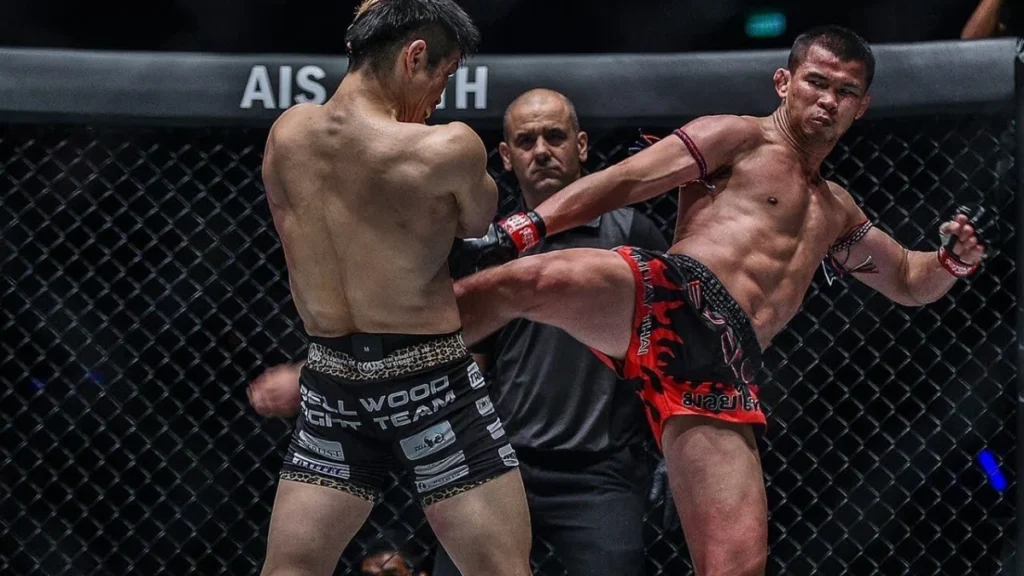
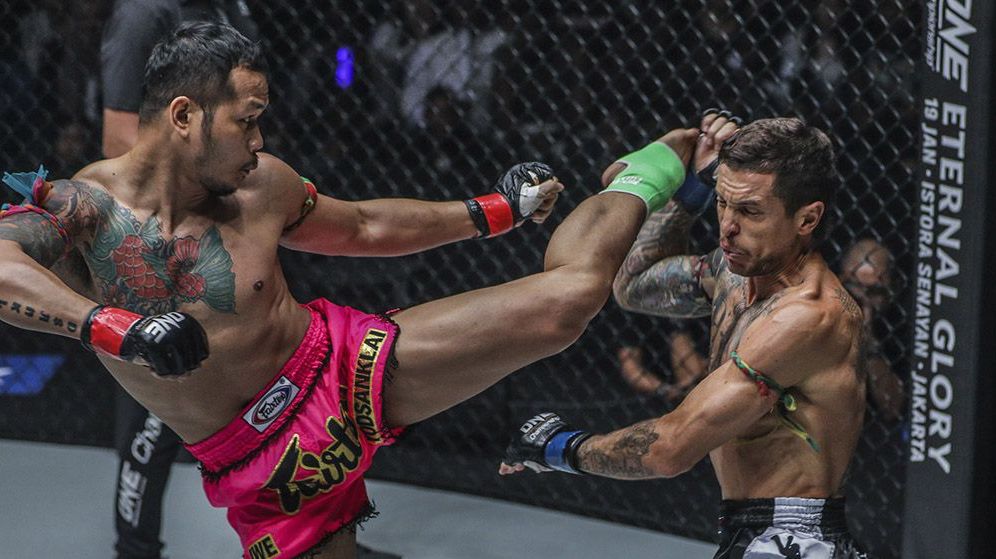
For instance, consider a fighter who is shorter in stature yet possesses light feet, exceptional speed, and advanced technical skills, but lacks heavy-handed knockout power and struggles to absorb heavy incoming strikes. For an athlete with this specific physical profile, the Muay Femur—or technical fighter—style naturally comes to consideration. That said, sports analysts widely regard this technical approach as one of the most intellectually demanding and difficult styles to truly master.

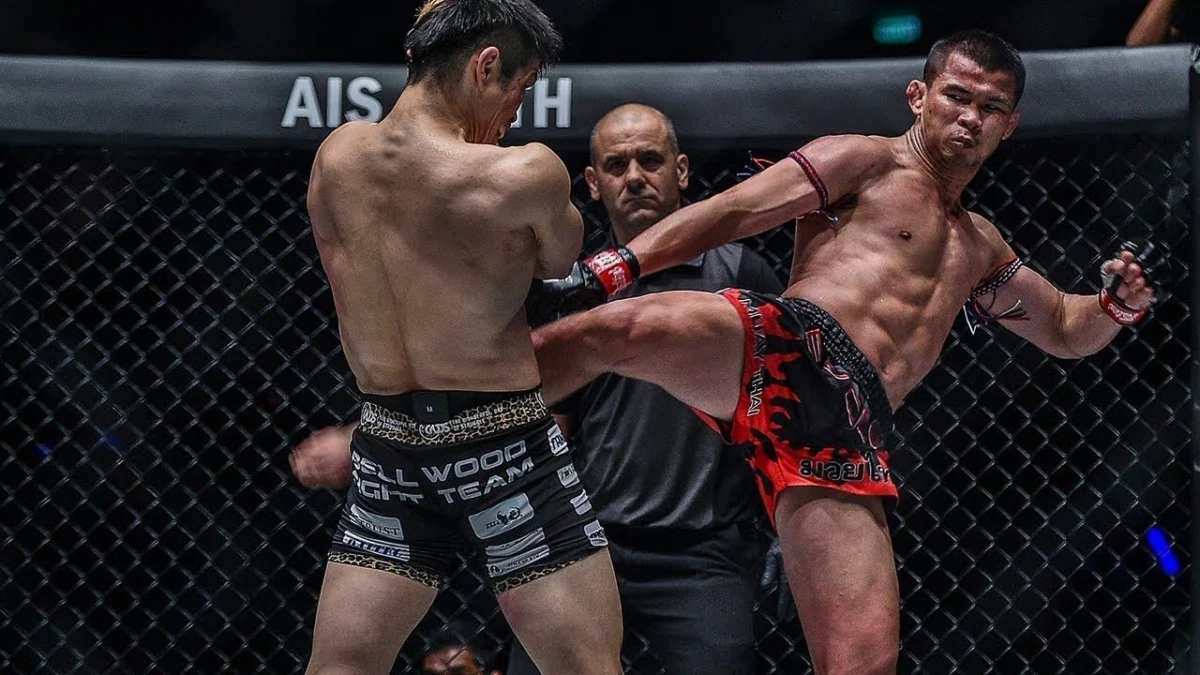
Conversely, a tall and rangy athlete who demonstrates an exceptional ability to land devastating knees and sharp elbows while operating effectively inside the clinch is far better suited to the Muay Khao, or knee fighter, style. A smaller competitor who routinely struggles against taller opponents and lacks the physical leverage to inflict significant damage from close range would clearly be poorly matched for this style. The underlying reason is straightforward: their physical attributes simply do not align with the core mechanics that define the style.

One of the most critical realizations for beginner-to-intermediate competitors is developing a deep, honest understanding of their own body type. Many practitioners have admired legendary fighters throughout history and attempted to incorporate those idols’ signature skills directly into their own repertoire. However, a crucial question must be asked: would attempting to aggressively pressure and slug opponents like the legendary Ramon Dekkers truly suit an athlete who would achieve far greater success by utilizing exceptional height and long limbs to fight effectively from a distance?

Doing Your Homework
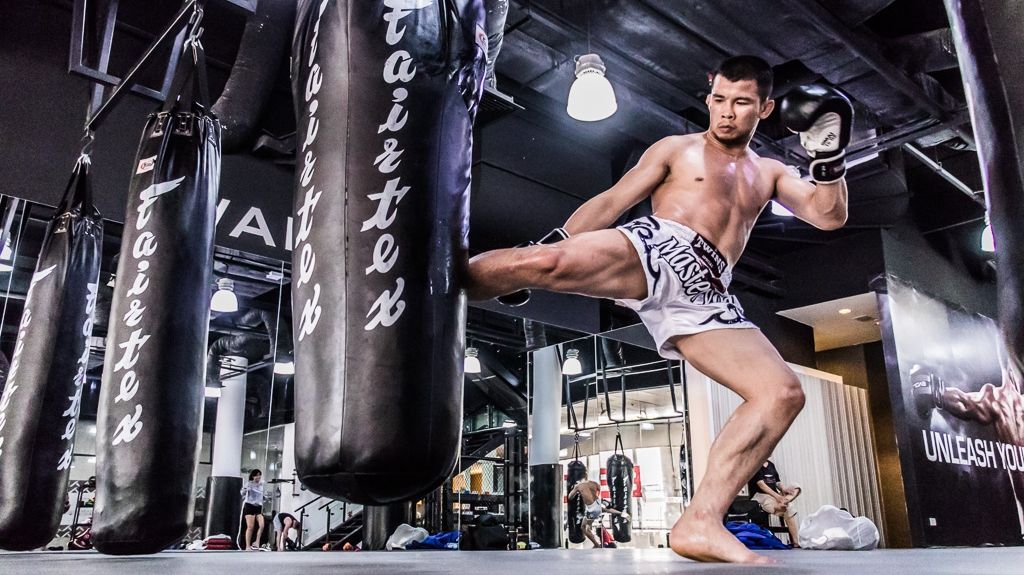
The constant input and mentorship of trainers and training partners are undeniably crucial to your ongoing progression as a competitive Muay Thai practitioner. It is vital to surround yourself with individuals who foster your development as an athlete and martial artist. However, a fighter must also be prepared to put in the necessary graft independently. Expecting anyone to hold your hand and guide you through every step of the journey—whether you are drilling combinations on the heavy bag in the gym or searching for answers to complex tactical problems—is unrealistic.

You must be thoroughly prepared to do your own homework when determining the fighting style that best fits your capabilities. Some lessons along the way are bound to be more painful than others, such as realizing through hard sparring that your shorter limbs are not naturally tailor-made for fighting exclusively on the outside. Despite such setbacks, an intelligent fighter who approaches their training with genuine passion will ultimately achieve their goals.

It is essential to invest personal time in reading about the diverse stylistic traditions within Muay Thai to fully understand how they are best deployed in a competitive environment. Beyond physical training, expanding your knowledge through reading, studying instructional videos, and reviewing tactical breakdowns of how past masters executed these styles to perfection will greatly accelerate your progress. While you will undoubtedly learn valuable lessons through active sparring and daily training sessions, investing in the theoretical foundations of Muay Thai is equally vital.

Aspiring fighters are encouraged to study the distinct characteristics of the sport’s primary fighting styles and observe archival footage of the legends who utilized them to achieve greatness. Pay close attention to their physical dimensions, including their height and reach, and observe whether they placed a higher strategic emphasis on raw power, high-volume output, or specific finishing techniques.

Putting It All Together
The opening chapters of any Muay Thai journey should be characterized by excitement and a sense of boundless possibility. The minor setbacks, physical knocks, and moments of self-doubt that inevitably arise along the way are simply standard components of athletic growth within the sport. Every minor obstacle should be viewed as a valuable test of character and a direct examination of your inner willingness to succeed. After all, perseverance through difficulty remains the foundational precursor to nearly every notable success story worth telling.

With the proper application, unwavering discipline, and sustained dedication, you will soon discover what tactical approaches yield results inside the ropes and which do not. Muay Thai is a demanding discipline that requires absolute respect, and it rarely yields rewards that exceed the genuine effort an athlete invests into their craft.