
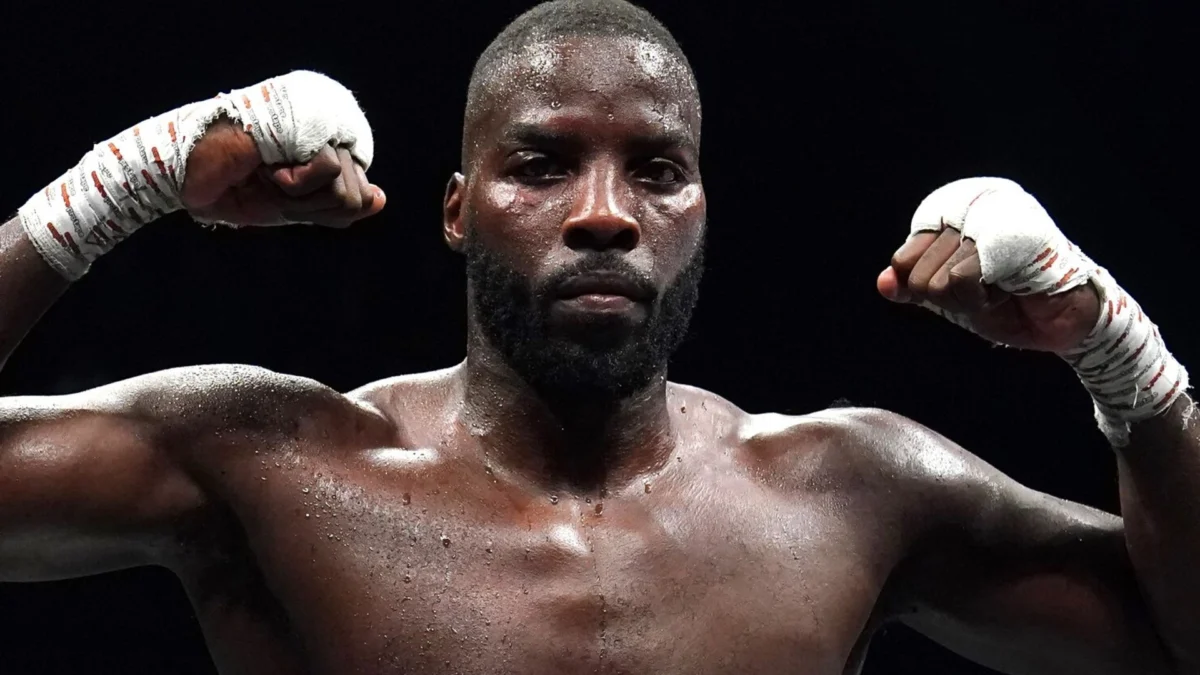
British heavyweight contender Lawrence Okolie is preparing to resume his professional boxing career after reaching a formal resolution with the World Boxing Council following a months-long review into an adverse analytical finding from an anti-doping test. The 33-year-old fighter, who had established himself as the WBC’s number one ranked contender in the heavyweight division, underwent a comprehensive evaluation conducted by the sanctioning body under the auspices of its Clean Boxing Program. The conclusion of the governing body’s investigation resolves the administrative uncertainty surrounding Okolie, opening the door for the London-born heavyweight to plan his return to active competition after his career was temporarily put on hold earlier this year.
The adverse finding occurred during pre-fight anti-doping testing in the lead-up to Okolie’s anticipated heavyweight clash against French contender Tony Yoka. That high-profile bout, which was originally scheduled to take place in Paris on May 25 following preliminary arrangements made in April, was ultimately cancelled when the anti-doping test returned an adverse analytical finding. From the moment the positive test result was disclosed, Okolie firmly rejected any suggestion of deliberate wrongdoing, taking to social media to assert his innocence and assure supporters that he was working diligently with anti-doping authorities to determine how the banned substance had entered his system.
The mandatory freeze on Okolie’s boxing activities resulted in an extended period of inactivity for the British heavyweight, who has not competed in an official bout since December of last year. At the time the test result was reported, Okolie held a commanding position within the sanctioning body’s official rankings, occupying the top spot among contenders and standing directly in line for a shot at the WBC world heavyweight championship. The abrupt pause in his career halted his momentum at a critical juncture, leaving his championship aspirations in limbo while the WBC carried out its internal review.
To address the adverse finding, the WBC initiated a full review under the protocols set forth by its Clean Boxing Program, an initiative established to monitor fighters, enforce anti-doping standards, and maintain integrity across the sport. Throughout the review, Okolie engaged fully with the investigative body, providing detailed documentation and evidentiary submissions aimed at reconstructing the timeline and circumstances surrounding the test result. His legal and administrative representatives presented evidence designed to prove that the fighter had not intentionally taken any prohibited substance to gain an unfair athletic advantage.
The core of Okolie’s defense rested on evidence indicating that the prohibited substance entered his body as a direct result of third-party actions, occurring entirely without his prior knowledge, authorization, or explicit consent. The WBC’s investigative team evaluated these submissions alongside the fighter’s long-standing testing record. In reaching their final decision, the governing body noted that Okolie possessed a completely unblemished anti-doping record prior to this single adverse test, having consistently passed all out-of-competition and in-competition screenings throughout his professional career.
In a joint statement issued by the WBC detailing the terms of the resolution, the sanctioning body officially recognized the extenuating circumstances presented by the British fighter. The statement formally documented the factors that influenced the governing body’s panel, highlighting Okolie’s complete transparency, his proactive cooperation with investigators, and his prior clean testing history as essential elements that justified an agreed resolution rather than punitive long-term sanctions.
"Throughout the process, Mr Okolie fully cooperated with the WBC’s review and provided extenuating evidence supporting his position that the prohibited substance entered his system as a result of the actions of a third party, without his knowledge or consent," the WBC statement read. "The WBC considered that mitigating evidence, together with Mr Okolie’s unblemished testing history and cooperation throughout the process when reaching the agreed resolution."
Following the announcement of the WBC’s findings, Okolie voiced his relief at the conclusion of the case and reiterated his unwavering dedication to clean competition. In an official statement, the heavyweight explained that maintaining the highest standards of athletic integrity has always been a fundamental principle of his career. He acknowledged the difficult nature of navigating an anti-doping investigation but expressed optimism about returning to the ring for the next chapter of his boxing journey.
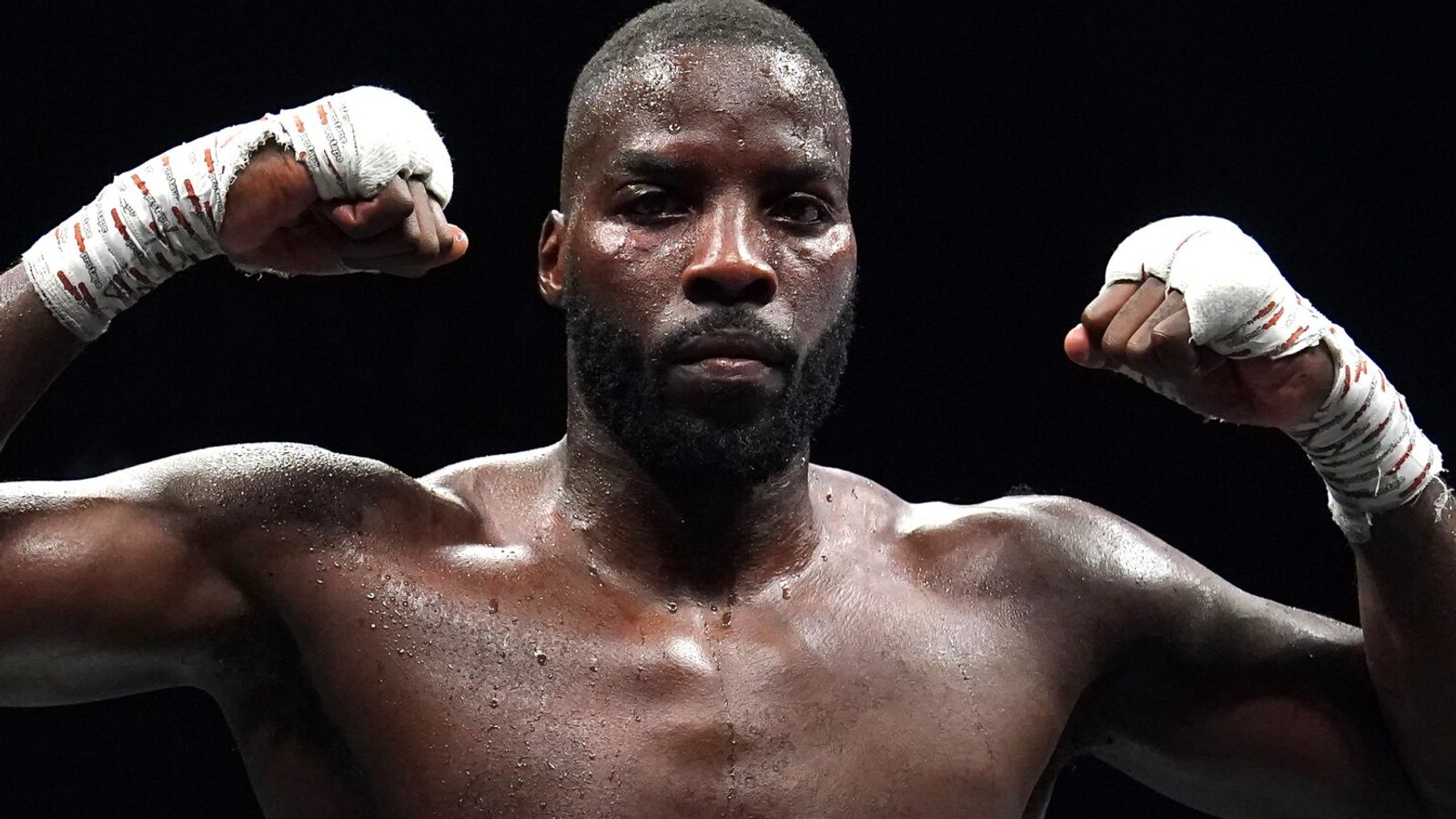
"Clean sport has always been extremely important to me," Okolie said in his statement. "I have cooperated fully throughout the process and remain committed to the highest standards of integrity in boxing. I look forward to the next chapter of my career and to being actively involved in the sport in the months ahead, while also using this experience to help educate other athletes about the importance of understanding and monitoring everything that enters their bodies."
WBC President Mauricio Sulaiman also commented on the conclusion of the review, emphasizing the dual responsibility of the Clean Boxing Program to protect the sport’s integrity while ensuring that every athlete receives a fair, thorough, and objective review when adverse findings arise. Sulaiman commended Okolie for his constructive approach throughout the investigation and welcomed his willingness to contribute directly to the WBC’s ongoing athlete education initiatives.
"The WBC Clean Boxing Program exists to protect athletes and the integrity of our sport," WBC President Mauricio Sulaiman said in a statement. "We appreciate Mr Okolie’s cooperation throughout this process and welcome his commitment to helping educate fighters about anti-doping compliance and athlete responsibility."
The agreed resolution between Okolie and the WBC includes several specific provisions aimed at maintaining transparency and reinforcing anti-doping awareness. Under the terms of the agreement, Okolie will remain subject to enhanced anti-doping oversight, agreeing to make himself available for additional out-of-competition testing beyond standard requirements. This enhanced monitoring regime is designed to ensure ongoing compliance as he transitions back into active competition within the heavyweight division.
In addition to submitting to additional testing, Okolie has agreed to partner directly with the WBC in support of educational programs designed for both professional and amateur boxers. This collaborative effort will focus on raising awareness about anti-doping rules, strict liability, and the very real dangers posed by third-party negligence or contamination. By drawing on his own experience, Okolie aims to help younger fighters and established professionals better understand the rigorous controls required to safeguard their careers against unintended violations.
The resolution of Okolie’s case comes at a key moment for the British heavyweight, who transitioned up to the heavyweight division after previously establishing himself as a formidable force at cruiserweight. Having been ranked as the WBC’s top contender prior to the cancellation of his fight against Tony Yoka, Okolie now faces the task of rebuilding his momentum and re-establishing his position at the summit of the division. The period of compulsory inactivity since last December has removed him from active competition for nearly a year, making his eventual comeback fight a crucial juncture in his professional career.
Throughout the anti-doping review, the issue of third-party involvement highlighted the rigorous nature of modern sports governance. Under sports integrity standards, athletes face significant challenges when contesting adverse analytical findings due to strict guidelines surrounding substance entry. However, the WBC’s consideration of Okolie’s extenuating evidence demonstrates how governing bodies evaluate cases where mitigating factors—such as third-party actions without an athlete’s consent—can be conclusively established alongside a clean prior history.
With the WBC review now officially concluded and his standing with the governing body clarified, Okolie is turning his full focus toward returning to active training and finalizing plans for his next fight. As he prepares to step back into the ring, the British fighter remains obligated under the terms of his resolution to support the WBC Clean Boxing Program, combining his athletic comeback with an active role in advancing anti-doping education and compliance across the sport of boxing.