Max Kellerman has spent nearly a quarter of a century maintaining a strict personal and professional rule: he refuses to mention boxing’s major sanctioning bodies by name on the air. For almost 25 years, the veteran commentator—known for his high-profile stints at HBO, ESPN, and now Dana White’s Zuffa Boxing—has treated the acronyms of the sport’s governing organizations as something akin to forbidden vocabulary.
However, that unyielding stance is now on a collision course with reality. Zuffa Boxing, where Kellerman serves as one of the leading broadcast voices, has openly promoted the World Boxing Council (WBC) in a recent fighter signing announcement, leaving the prominent analyst facing a potentially uncomfortable and defining career decision.
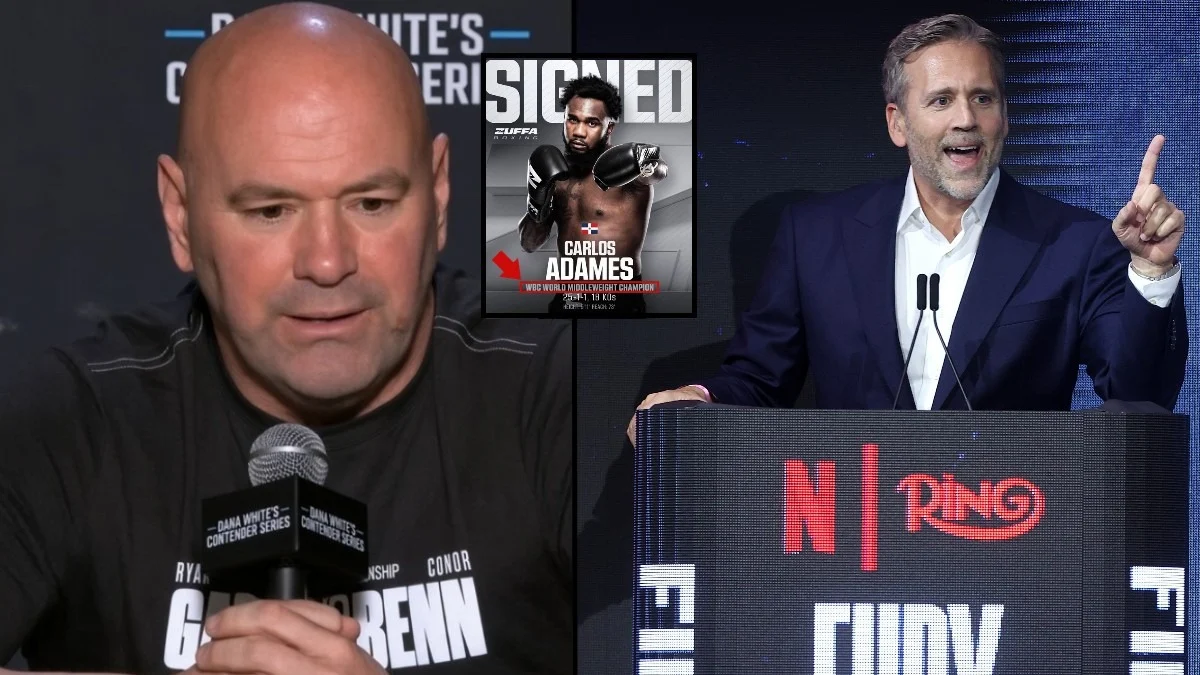
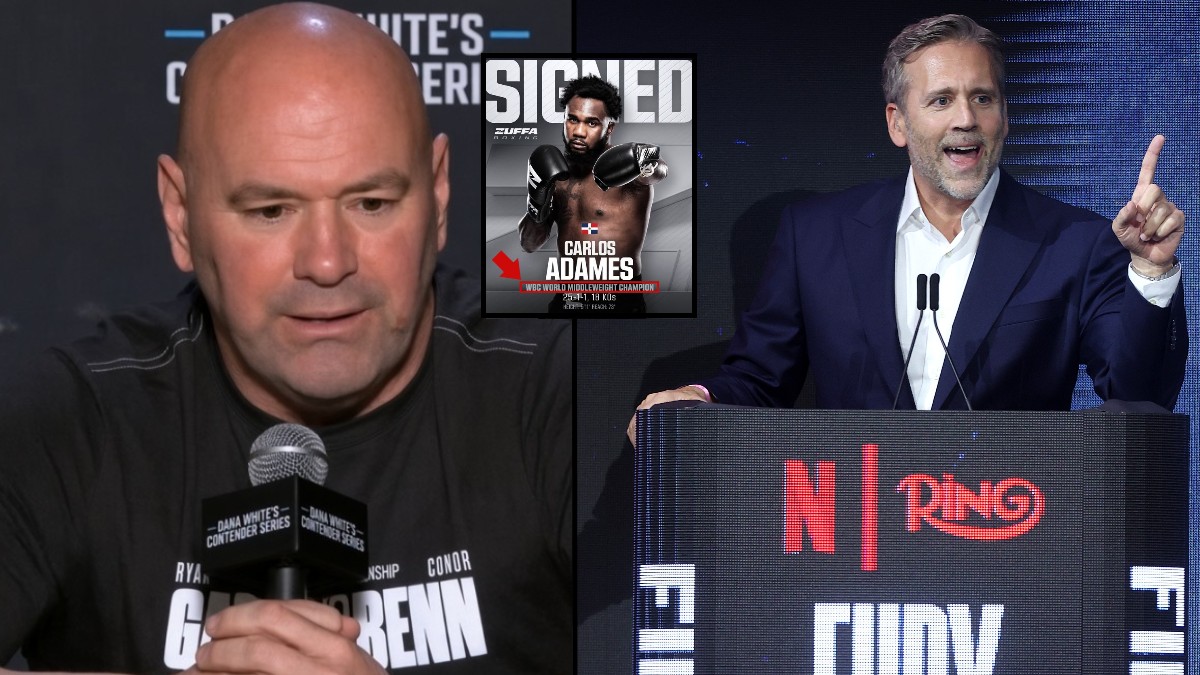
The friction point emerged when Dana White’s burgeoning combat sports promotion announced Carlos Adames as its latest marquee signing. In official promotional materials released this week, Zuffa explicitly identified Adames as the "WBC World Middleweight Champion." At almost any other traditional boxing promotion, such a designation would be routine, passing without a second thought from media or fans. But at Zuffa Boxing—an organization launched with the initial premise of disrupting and bypassing the traditional, fragmented alphabet-soup championship structure—the move thrusts Kellerman’s long-standing broadcast philosophy directly into the spotlight.
Kellerman’s 25-Year Refusal and the 1999 Breaking Point
Kellerman’s deep-seated disdain for boxing’s alphabet organizations is no secret, but he recently elaborated on the origins of his boycott during an appearance on Ring Champs with Ak & Barak. When asked directly which of the major organizations—the WBA, WBC, IBF, and WBO—he respected, Kellerman did not mince words.
"None. Zero," he replied.
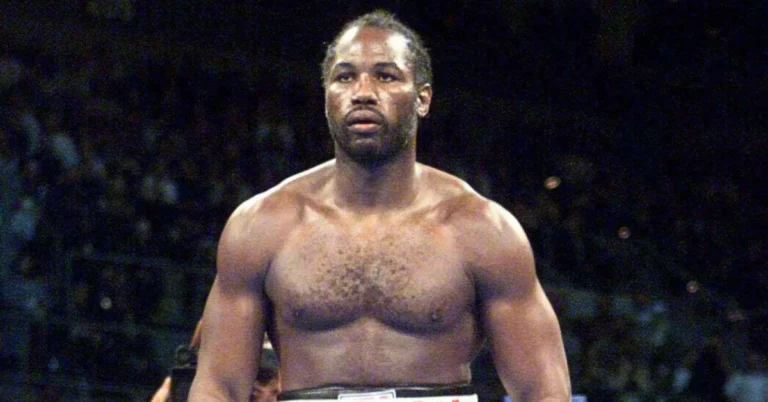
The analyst traced his staunch opposition back to a specific, deeply controversial moment in boxing history: the undisputed heavyweight championship bout between Lennox Lewis and Evander Holyfield in March 1999. That fight, which ended in a widely criticized and disputed draw, served as the catalyst for Kellerman’s total disenchantment with the politics and governance of the sport.
"You want to know what the breaking point was? Holyfield-Lewis first fight draw," Kellerman recalled.
That controversial decision cemented a perspective that Kellerman has carried throughout his storied broadcasting career. He claims he has deliberately avoided uttering the names of any of the sanctioning bodies on air for nearly 25 years.
"I’m not going to call them by name, not even to insult," he stated during the interview.
This uncompromising stance now creates a remarkably complex and awkward situation for Kellerman. The next time he sits at the microphone to call a Zuffa event featuring a champion holding a recognized belt, the promotion’s new direction will force a direct confrontation with his personal policy. If he maintains his refusal to name the organizations, it will represent a significant and defiant commitment from a key employee occupying a prominent public-facing role within White’s company.
Zuffa Shifts Its Approach on Championship Recognition
The recent promotional material regarding Adames marks a notable evolution in how Zuffa Boxing handles the sport’s traditional architecture. When Dana White first set his sights on expanding the UFC empire into the sweet science, he initially expressed outright skepticism and resistance toward working with or acknowledging the established sanctioning bodies, aligning closely with the anti-establishment sentiment voiced by figures like Kellerman.
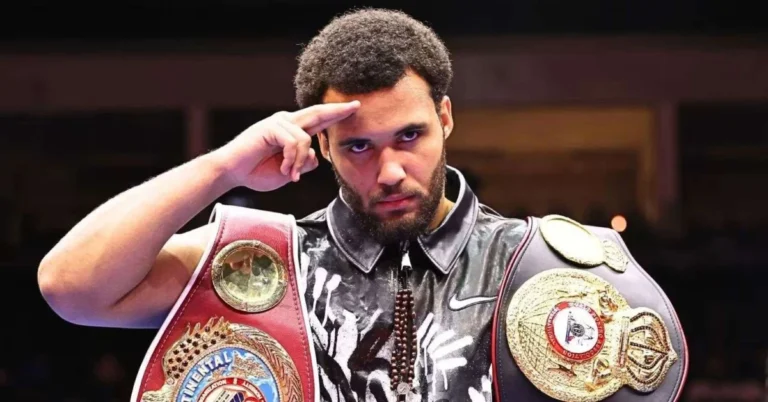
Over time, however, White’s stance softened into a pragmatic, case-by-case approach. Zuffa began quietly allowing traditional championships to feature on its fight cards and actively recruiting established titleholders. Alongside Adames, the promotion has secured signatures from other notable belt-holders, including WBO middleweight champion Denzel Bentley.
While the explicit reference to the WBC in the Adames announcement does not formally establish a permanent, overarching promotional agreement between Zuffa and the sanctioning body, it signals a clear tactical shift. The promotion is now fully prepared to leverage the recognized names and legacy of established world championships to market its fighters to the broader public.
This corporate pivot places Kellerman in a delicate bind. He is far from an independent, detached observer watching Zuffa’s business decisions from the outside; he is one of the foundational voices of White’s boxing venture. As recently as September 2025, public reports highlighted an exchange in which Kellerman explicitly praised White for the promotion’s initial hardline stance against recognizing the sanctioning bodies.
Now, the very company he champions on the air is executing the exact maneuver Kellerman claims to have boycotted for a quarter-century: naming one of the governing organizations in its promotional output.
Whether Dana White will issue a directive instructing Kellerman and other broadcast personnel to begin acknowledging these championships on air remains entirely unknown. Equally uncertain is whether pushing back against such a directive, should it happen, could jeopardize Kellerman’s standing within Zuffa Boxing.
If White ultimately expects his broadcast team to seamlessly integrate the names of the championships the company actively promotes, Kellerman will be forced to weigh his hard-earned broadcasting principles against corporate alignment. His critique of boxing’s chaotic, fragmented championship ecosystem has always been consistent and easily understood by fans frustrated by the sport’s politics. The real question is whether that principled stance can survive a corporate environment that is moving progressively closer to the very institutions it once vowed to bypass.
For the moment, Zuffa has named the WBC, and Kellerman has given no public indication that he has abandoned his long-held boycott. With Dana White having already altered his official posture toward boxing’s governing bodies, Max Kellerman may soon find himself deciding whether his 25-year refusal is a line in the sand he is willing to defend at all costs.