


Martial arts have long commanded respect for their rigorous physical demands, requiring an exceptional combination of agility, raw strength, and relentless cardiovascular endurance. Whether an athlete is stepping onto the canvas for high-intensity striking sessions in Muay Thai, testing their leverage and submissions in Brazilian Jiu-Jitsu, or sharpening their defensive footwork in boxing, the reality of the sport remains unyielding. Because of the sheer intensity and full-contact nature of these disciplines, the threat of injury is an ever-present variable that every practitioner must navigate. Consequently, prioritizing injury prevention has emerged as a crucial conversation within combat sports communities worldwide, serving as the foundational pillar for ensuring long-term success, consistent athletic progress, and the overall physical longevity of fighters at every level.
Without a proactive approach to mitigating physical trauma, athletes often find themselves trapped in frustrating cycles of recovery that grind their training momentum to a complete halt. Beyond the immediate physical pain, unmanaged or recurring injuries can easily escalate into chronic conditions that permanently alter a martial artist’s trajectory, sometimes forcing early retirement from the sport they love. Recognizing these stakes, coaches, physical therapists, and veteran fighters are increasingly emphasizing that longevity on the mat is just as important as technical mastery.
The conversation around combat sports safety is shifting away from the old-school mentality of pushing through agonizing pain, moving instead toward intelligent training methodologies. By examining the primary risk factors associated with striking and grappling disciplines, experts have outlined the core elements required to drastically reduce the likelihood of common training injuries. Implementing these preventative strategies allows practitioners to train both safely and effectively, ensuring they can maintain peak athletic performance without constantly nursing preventable setbacks.
Warm-Up and Stretch Before Every Session
One of the most fundamental yet frequently overlooked elements of a sustainable martial arts regimen is the implementation of a comprehensive warm-up and stretching routine. When athletes rush straight from the locker room into high-intensity sparring or rigorous pad work, their muscles, tendons, and ligaments remain cold and stiff, rendering them vastly more vulnerable to acute trauma. Skipping these crucial preparatory minutes drastically increases the probability of suffering painful muscle strains, ligament sprains, and joint hyperextensions that could have been entirely avoided with proper physiological preparation.
A well-structured warm-up serves a vital biological purpose by progressively elevating the core body temperature and significantly increasing blood flow to the skeletal muscles that will soon be subjected to explosive movements. As the cardiovascular system ramps up, synovial fluid begins to lubricate the joints, allowing for smoother transitions during complex takedowns, deep sweeps, and rapid combinations of kicks and punches. Incorporating dynamic movements, light cardiovascular exertion, and mobility drills prepares the central nervous system for the demands of the upcoming session, sharpening reflexes and reaction times. Making this physiological preparation a non-negotiable ritual before every class remains one of the simplest yet most effective methods for keeping career-derailing injuries safely at bay.
Use the Right Protective Gear
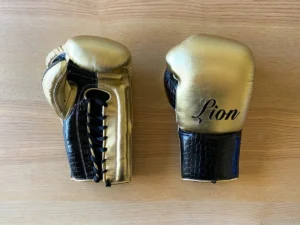
In the multifaceted world of modern martial arts, the deployment of appropriate protective equipment is widely recognized as a non-negotiable standard for safeguarding athletes against avoidable trauma. Even the most technically proficient practitioners, who possess years of mat time and flawless execution, rely heavily on specialized gear to absorb the brunt of heavy impacts and mitigate the daily wear and tear of combat sports training. Whether it is boxing gloves with dense knuckle padding, shin guards designed to protect both the striker and the training partner during Muay Thai Dutch drills, or properly fitted mouthguards to prevent dental and concussion injuries, equipment serves as the first line of defense.
However, owning high-end safety equipment is only half the battle; ensuring that gear is properly maintained and correctly fitted is equally critical for optimal protection. Over time, frequent use causes padding to compress, leather to degrade, and straps to lose their elasticity, leaving the athlete exposed to the very impacts the gear was designed to neutralize. Loose, worn-out, or ill-fitting equipment can easily shift during active grappling exchanges or striking combinations, creating a false sense of security while actively increasing the risk of accidents on the mat. Experienced coaches continually stress that utilizing appropriate safety gear is never an indication of weakness or hesitation, but rather a display of tactical wisdom and long-term athletic discipline. Prioritizing equipment integrity ensures that fighters can pursue peak physical performance without exposing themselves to unnecessary hazards.
Focus on Proper Technique
Mastering correct biomechanics and flawless execution remains an absolute cornerstone of injury prevention across every discipline of martial arts. Whether an athlete is throwing heavy cross punches, executing complex hip throws during a grappling exchange, or chambering high, roundhouse kicks, fundamental flaws in technique represent one of the leading catalysts for training room injuries. When form breaks down under fatigue or due to improper instruction, the human body is often forced into unnatural angles, placing severe, localized stress on vulnerable joints, tendons, and vertebrae.
Focusing intensely on the mechanical precision of every movement not only elevates a martial artist’s offensive and defensive effectiveness but also fundamentally alters how physical stress is distributed throughout the musculoskeletal system. Repetitive strain injuries, which plague many dedicated practitioners, frequently stem from thousands of repetitions performed with poor alignment or inefficient body mechanics. By slowing down movements during drilling phases, refining footwork, and accepting critical feedback from instructors, martial artists can insulate themselves against the cumulative damage caused by sloppy execution. True technical mastery ultimately creates a protective barrier, allowing athletes to train harder and smarter while keeping structural damage to an absolute minimum.
Allow Adequate Recovery Time
While the cultural ethos of martial arts often glorifies endless grinding and grueling double-sessions, physiological reality dictates that rest and recovery are just as vital as active training time. Effective injury prevention requires a balanced perspective that encompasses not only what happens inside the academy walls, but also how an athlete manages their time outside of it. Overtraining stands as one of the primary culprits behind severe physical setbacks in combat sports, systematically eroding the body’s natural resilience through unrelenting fatigue, persistent muscle imbalances, and chronic inflammation that can easily escalate into debilitating medical conditions.
When the body is denied sufficient downtime, it loses its remarkable ability to repair micro-tears in muscle tissue, replenish glycogen stores, and adapt to the immense neurological demands of learning complex motor skills. Incorporating dedicated rest days, prioritizing restorative sleep, and ensuring proper nutritional intake allow the body to rebuild itself stronger after intense bouts of physical exertion. By actively valuing recovery as an indispensable component of athletic development, martial artists ensure greater consistency in their training schedules, accelerate their overall progression, and minimize the cumulative wear and tear that threatens long-term participation in the sport.
Listen to Your Body
Navigating the delicate boundary between productive discomfort and structural damage is perhaps one of the most challenging psychological hurdles in any combat discipline. A prevailing part of martial arts culture encourages mental toughness and the willingness to push past perceived limitations, yet this exact mindset can frequently lead athletes to ignore critical physical warning signs. Brushing off persistent joint aches, sharp shooting pains, or unusual fatigue in the pursuit of immediate training gains often transforms a minor, manageable issue into a catastrophic injury requiring months of rehabilitation.
Developing the self-awareness to truly listen to physiological feedback is an essential skill for any longevity-minded martial artist. Learning to accurately differentiate between the general muscular soreness associated with a hard workout and the distinct, localized pain indicative of tissue damage allows practitioners to make intelligent adjustments before minor issues compound. Taking a proactive rest day or modifying training intensity to accommodate a nagging tweak is never a failure of character; rather, it is a pragmatic choice that separates short-term stubbornness from sustainable, lifelong athletic participation.
Injury prevention remains the absolute bedrock for anyone hoping to maintain consistency, unlock their full physical potential, and enjoy a long, healthy career in martial arts. The demanding nature of striking and grappling requires a harmonious blend of mental resolve and meticulous physical management. By committing to thorough warm-ups, utilizing reliable protective equipment, relentlessly refining technical execution, respecting the necessity of recovery, and remaining deeply attuned to the signals sent by the body, martial artists can successfully navigate the inherent risks of their chosen discipline. Integrating these foundational safety principles into daily training routines ensures that the journey on the mat remains both progressive and enduring.