


In collegiate and private sports performance, career longevity is often treated as a byproduct of technical mastery. Strength and conditioning coaches routinely spend years refining their knowledge of periodization, biomechanics, force-velocity profiling, and exercise physiology. Yet across weight rooms nationwide, a persistent issue continues to drain the industry of talented professionals: financial instability.
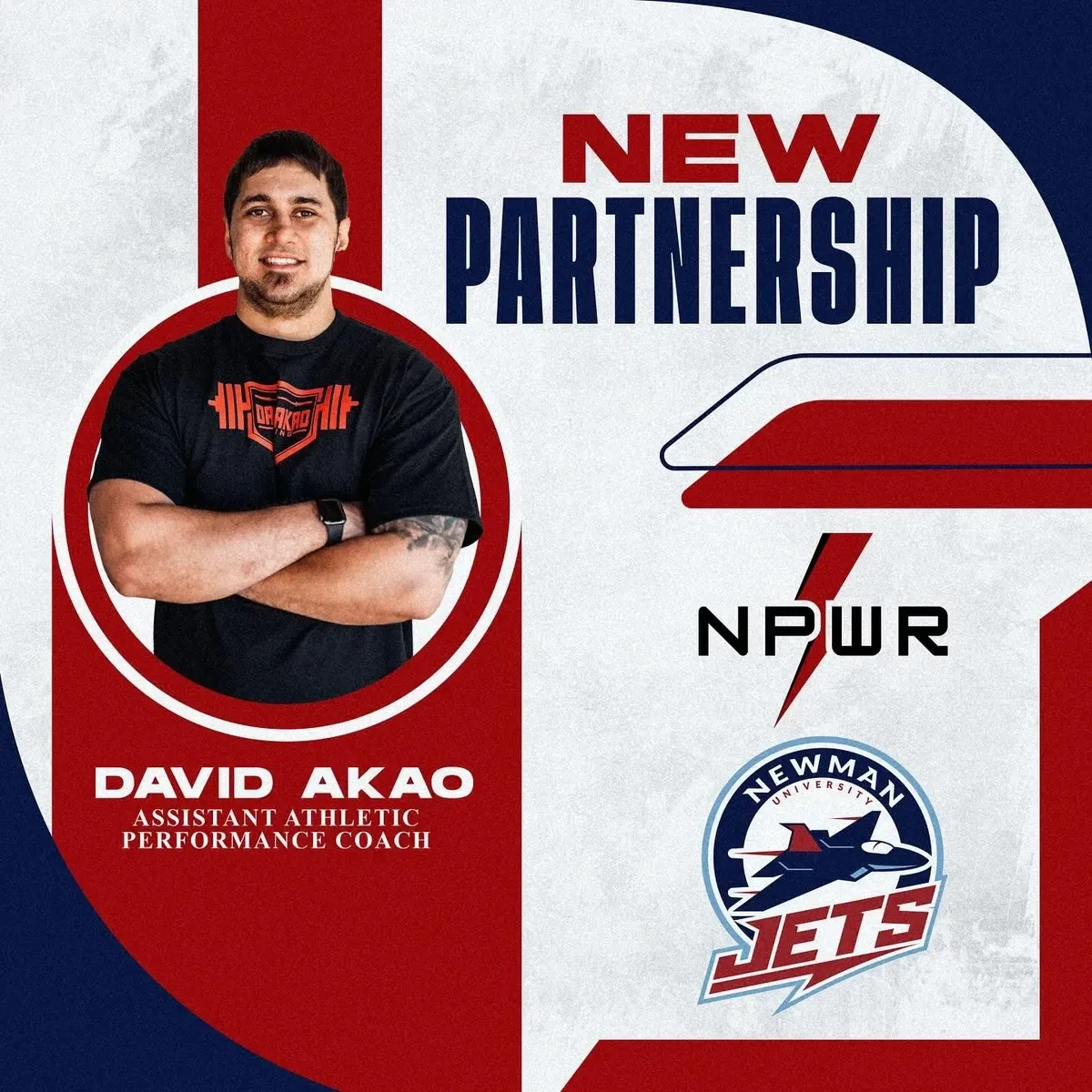
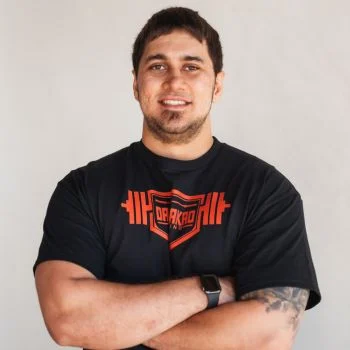
According to David Akao, head athletic performance coach and founder of NPWR Training, the conventional belief that passion alone can sustain a coaching career is colliding with economic reality. For many coaches, the decision to leave the field is driven not by burnout from coaching itself, but by compensation that fails to support a stable adulthood. Akao argues that if coaches wish to build enduring careers—allowing them to buy homes, support families, drive dependable vehicles, and take vacations—they must expand their professional toolkit well beyond exercise programming to include business acumen, marketing, negotiation, and entrepreneurship.
The Economic Realities of the Coaching Profession
The strength and conditioning industry has long operated under an unspoken ethos that prioritizing compensation over dedication somehow compromises a coach’s commitment to the craft. Akao directly challenges this mindset, emphasizing that financial viability is fundamental to professional retention. When compensation remains stagnant and disconnected from the cost of living, coaches are frequently forced into an ultimatum: depart athletic performance entirely for traditional corporate roles or struggle to achieve basic financial milestones.
To bridge this gap, many practitioners turn to supplemental work. Secondary income streams are already a common feature of the profession, with coaches running private training sessions, conducting seasonal camps, securing speaking engagements, writing articles, driving for ride-share platforms, bartending, or working event services on weekends.
Akao’s own career reflects this multi-faceted reality. Alongside his collegiate coaching responsibilities, he operates NPWR Training, a private performance business dedicated to training youth and high school athletes in the evenings and on weekends, as well as directing youth sports camps. He also works as a DJ on Friday and Saturday nights. Rather than viewing these secondary pursuits as mere financial survival tactics, Akao found that running an independent business and working in entertainment sharpened the very interpersonal and operational skills required to succeed in a collegiate athletic department.

Training youth and scholastic athletes through NPWR heightened his communication, pedagogical adaptability, and programming creativity across broad developmental spectrums. Concurrently, DJing provided an unexpected avenue to engage with campus culture, perform at university functions, and relate to student-athletes in a non-athletic environment. Far from distracting from his core duties, these external ventures provided practical lessons in client service, sales, and community engagement.
Fiscal Management and Strategic Budgeting
Within collegiate athletic departments, managing a strength and conditioning budget requires the same strategic allocation of capital seen in private enterprise. Akao points out that balancing a department budget is not inherently complicated, but it demands rigorous intentionality.
Before committing institutional capital to a purchase, Akao evaluates whether an expenditure will directly advance the program’s competitive objectives. Purchases must be vetted through practical criteria: Will the equipment be utilized on a daily basis? Does it directly impact athletic development across multiple sports? Or does it merely look impressive on social media and tour presentations? By asking these questions, a director separates functional infrastructure from superficial additions.
Operating NPWR Training reinforced this disciplined mindset. In an independent training business, every expenditure directly reduces available working capital. Resources cannot be dispersed impulsively, forcing an owner to identify which investments produce the highest return on performance and which purchases must wait.
This commercial mindset translates directly to managing collegiate equipment budgets. When resources are constrained, prioritizing versatile equipment that serves hundreds of student-athletes across multiple rosters delivers far greater value than acquiring niche machines intended for limited use.
Additionally, financial forecasting serves as an essential safeguard against mid-year operational shortfalls. Rather than reacting impulsively to equipment needs as they arise, tracking projected balances ensures that necessary funds remain available throughout the entire fiscal year. Approaching department finances as an interconnected series of business decisions allows coaches to plan multiple quarters ahead and maximize their allotted resources.
Applying Sales Principles to Athletic Development
While strength coaches rarely think of themselves as sales professionals, Akao contends that they are engaged in continuous selling. On any given day, a performance coach must pitch the merit of their system to athletic directors, sport coaches, sports medicine staff, student-athletes, recruits, and parents.
Selling in an athletic environment does not mean delivering a contrived commercial pitch. Instead, it centers on articulating clear value propositions tailored to the specific priorities of each stakeholder. When a sport coach expresses skepticism regarding the time their roster spends in the weight room, Akao reframes the conversation around athlete availability and functional performance.
While injury mitigation is a central pillar of physical preparation, tactical and technical skills alone do not guarantee competitive success. When two opposing squads possess comparable sport-specific skills, the team that is demonstrably stronger, more explosive, better conditioned, and more physically resilient holds a tangible competitive advantage. The strength program does not exist to detract from sport practice; it exists to enhance an athlete’s physical capacity within competition and keep them healthy enough to play.
Understanding how to communicate this value underpins both athlete buy-in and career mobility. A coach may design an exemplary physiological program, but if they cannot convince sport coaches of its merit or articulate its worth to department administrators, their professional advancement will remain severely constrained.

Intentional Marketing and Digital Presence
Because the vast majority of strength and conditioning work occurs inside private training facilities, outside observers—including university leadership, alumni, recruits, and parents—rarely witness the daily labor required to develop a team. Modern digital communication provides coaches with a direct platform to demonstrate their department’s culture and impact.
In managing his program’s public presence, Akao relies on three primary content categories: athlete spotlights, training footage, and relatable humor.
Athlete spotlights publicize individual dedication and physical development, offering public recognition to student-athletes while signaling to recruits and families that the environment is athlete-centered. Celebrating measurable progress publicly builds internal morale and reinforces the program’s developmental standards.
Team training videos serve a complementary institutional purpose. They offer prospective recruits and athletic supporters a transparent look at the program’s tempo, culture, and training atmosphere. Because families and prospects cannot routinely attend morning lifting sessions in person, digital media acts as a dynamic recruitment asset that simultaneously cultivates pride among current team members.
Humor constitutes the third pillar of Akao’s communication strategy. Maintaining an approachable, humorous tone humanizes the coaching staff and dismantles the outdated perception that effective strength and conditioning requires unrelenting severity. Showcasing personality builds rapport, clarifies coaching style, and helps external audiences understand what athletes can expect on a daily basis.

Cultivating Long-Term Professional Capital
Technical competence inside the weight room holds little value without the ability to build trust with athletes and colleagues. Because performance coaches interact with rosters multiple times each week throughout the calendar year, they occupy a unique position to mentor athletes beyond the context of physical performance.
Taking the time to understand an athlete’s background, challenges, and personal goals creates relational capital that enhances coaching effectiveness. High relational trust does not weaken operational standards; on the contrary, it enables coaches to demand higher effort and accountability, because the athlete recognizes that the critique stems from genuine personal investment.
This principle extends to departmental networking. Traditional networking is often misunderstood as superficial self-promotion or transactional handshakes at industry conventions. In Akao’s view, effective networking is fundamentally about sustained reliability, professional excellence, and authentic relationship management over long horizons.
A pivotal milestone in Akao’s career illustrates this dynamic. While working as an independent trainer following an earlier internship at Newman University, the university’s athletic director enrolled her children in his private training sessions. For nearly three years, Akao trained the children, consistently delivering professional service without pressing for career favors. During that period, the athletic director periodically floated the idea of Akao returning to Newman. When an assistant coaching opening eventually materialized, the pre-existing trust built over years of private coaching allowed the opportunity to develop naturally, eventually paving the way for his ascension to head athletic performance coach.
Strategic Contract Negotiation and Work Structures
Entering college athletics rarely requires accepting restrictive, non-negotiable terms if a coach understands alternative business structures. When Newman University initially encouraged Akao to pursue an assistant coaching role, he was operating NPWR Training full-time. Rather than abandoning his private client base for an entry-level institutional contract, Akao proposed a business-to-business independent contractor model.

Under this 1099 arrangement, Akao invoiced the university a monthly fee to train four designated varsity programs. He managed morning and early-afternoon training blocks on campus—totaling approximately ten hours per week—while preserving his evenings and weekends to run NPWR Training.
The arrangement benefited both parties: the athletic department gained an experienced coach with financial and operational flexibility, while Akao secured an entry point into collegiate athletics without sacrificing his independent company. After establishing his impact during that first year and building trust across the athletic department, Akao was named interim head coach and eventually transitioned into the full-time head athletic performance coach role.
That initial contract negotiation highlighted a broader principle: compensation is not defined solely by base salary. In athletic departments where payroll budgets are strictly capped, coaches must learn to negotiate total value. This includes schedule flexibility, departmental funding for continuing education and professional certifications, access to travel budgets, and the allocation of graduate assistants or interns to distribute workload. Securing schedule autonomy or educational stipends often yields far greater long-term professional capital than a minor increase in standard base pay.
Diversification and Cross-Disciplinary Learning
To safeguard their professional longevity, Akao advises strength coaches to build distinct professional options rather than relying exclusively on a single employer or income source. Writing for trade publications, speaking at industry clinics, hosting seasonal athletic camps, publishing content, and building specialized private businesses all provide coaches with career resilience.
Crucially, Akao notes that working within collegiate athletics provides institutional credibility, expertise, and community visibility that coaches can ethically translate into their own professional endeavors. While coaches must maintain strict ethical boundaries by never misusing university property or institutional resources for private gain, the professional reputation they establish in collegiate settings naturally enhances their standing in the private sector. In Akao’s experience, his collegiate responsibilities and his private business reinforce each other, providing continuous opportunities to test coaching philosophies across varied age groups and competitive levels.

Expanding one’s professional perspective also requires reading outside the narrow confines of exercise science. Akao points to business, negotiation, and marketing literature as instrumental in shaping his administrative philosophy. Works such as Never Split the Difference by Chris Voss, Go for No! by Richard Fenton and Andrea Waltz, and Building a StoryBrand by Donald Miller provide practical strategies for negotiation, managing professional rejection, and framing program value.
While these texts do not address barbell speed or conditioning protocols, their lessons apply directly to the daily administrative challenges strength coaches encounter: navigating department politics, pitching budgets to senior leadership, resolving staff conflicts, and establishing program identity. Developing as a coach, Akao emphasizes, is not simply a matter of learning another training exercise; it requires becoming a well-rounded business professional capable of sustaining an enduring career.