

The volatile world of heavyweight boxing has once again been thrown into disarray, as Tyson Fury, the self-proclaimed "Gypsy King," has sensationally declared he is seeking a new opponent for November, casting significant doubt over the long-awaited, all-British showdown with Anthony Joshua. In a move that has sent ripples through the sport, Fury has publicly called out unified heavyweight champion Oleksandr Usyk, despite having seemingly signed contracts for a blockbuster clash with Joshua. This latest twist exacerbates an already protracted saga, highlighting the complex interplay of fighter egos, promotional interests, and the ever-present financial stakes that dictate the sport’s biggest contests.
For years, the prospect of Tyson Fury squaring off against Anthony Joshua has been the holy grail for British boxing fans and a global spectacle in waiting. Envisioned as a monumental clash to determine the undisputed king of the heavyweight division, the fight has consistently tantalized, only to slip away due to various contractual intricacies, political maneuvering, and the sheer unpredictability inherent to the sport’s biggest personalities. Both fighters had reportedly inked individual contracts for the contest, with November initially earmarked as the target month for this colossal encounter. The signing of these separate agreements, often a precursor to a definitive announcement, had finally ignited hope that the dream fight was on the verge of becoming a reality. However, the current situation suggests that even signed contracts are not immune to the capricious nature of boxing’s highest echelons.
The primary sticking point, according to reports, has been the contentious issue of the fight’s location. A battle of wills has emerged between Joshua’s camp, which reportedly prefers the iconic Wembley Stadium in London, and other organizers who are reportedly pushing for a grand staging in the United States, or even a return to Saudi Arabia, which has previously hosted major heavyweight bouts. Wembley, with its capacity for 90,000-plus fans, offers an unparalleled atmosphere and a natural home for an all-British spectacle. London Mayor Sadiq Khan has publicly championed the cause for Wembley, urging promoters to bring the fight to the capital, stressing the economic benefits and the global attention it would garner. His team has even indicated willingness to accommodate an early hours start time to cater to the crucial US television audience, a testament to the city’s eagerness to host.
Conversely, US venues like New York’s Madison Square Garden, reportedly favored by promoter Sela and broadcaster Netflix, offer a different kind of prestige and access to a lucrative market. The financial backing from Saudi Arabian entities, which has previously underpinned other major fights, also remains a powerful draw. Joshua’s initial contract, it is understood, stipulated a UK venue, necessitating renegotiations spearheaded by his promoter Eddie Hearn. While Hearn had optimistically suggested that talks for a UK staging had "re-opened" following Mayor Khan’s intervention, the lack of substantial progress and Fury’s latest pronouncements indicate that these discussions have either stalled significantly or broken down entirely. The silence from key stakeholders – Sela, Queensberry (Fury’s promoter), and Matchroom (Joshua’s promoter) – when contacted by BBC Sport, only serves to amplify the uncertainty, fueling speculation that the much-anticipated announcement, once hoped for in the coming week, is now highly improbable.
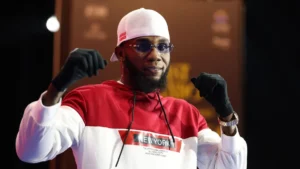
Into this vacuum of contractual gridlock and venue disputes, Tyson Fury has unleashed a characteristic social media broadside. In an expletive-laden video posted on Instagram, the WBC Heavyweight Champion (though he has reportedly vacated this title previously, his status remains fluid in popular discourse, adding to the confusion) launched a scathing attack on Joshua, accusing him of "backing out" of the agreed contest. Fury’s rhetoric was vintage "Gypsy King" – confrontational, theatrical, and designed to provoke. "This will only lead me to a fight with Oleksandr Usyk," Fury declared, pivoting sharply from his contractual obligation. His challenge to Usyk was laced with psychological warfare, calling Joshua "weak-minded" and suggesting that Usyk, as Joshua’s "trainer and sensei," knew this to be true. Fury lauded Usyk for having "the guts to do twice" what Joshua allegedly lacked, referring to Usyk’s two dominant victories over Joshua. "You got the decisions last time, fair play to you. Good luck to you, let’s do it again. Let’s run it back in November. The ball is now in your court… do you want to fight me this year, 2026, or are you calling it quits? Let me know because I am now looking for a new opponent."
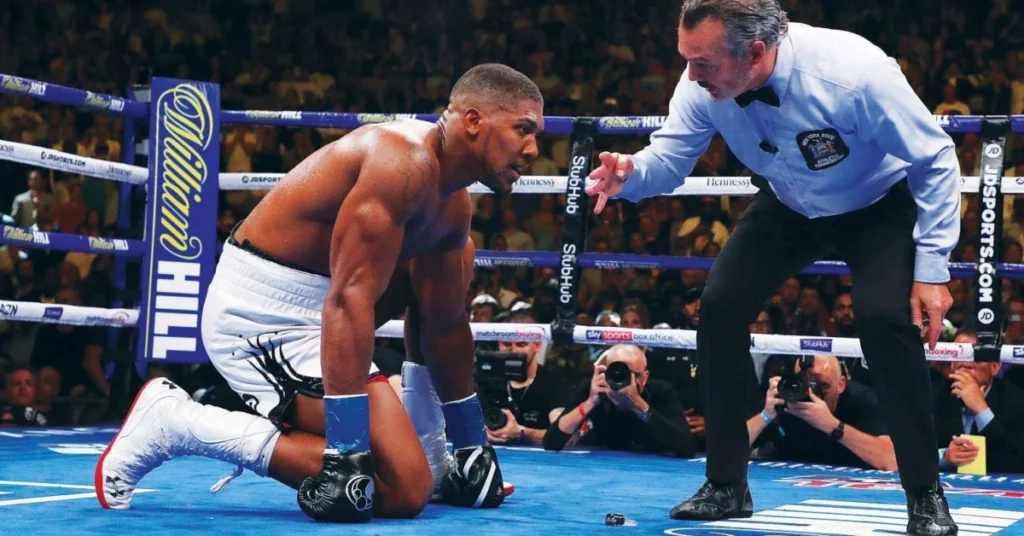
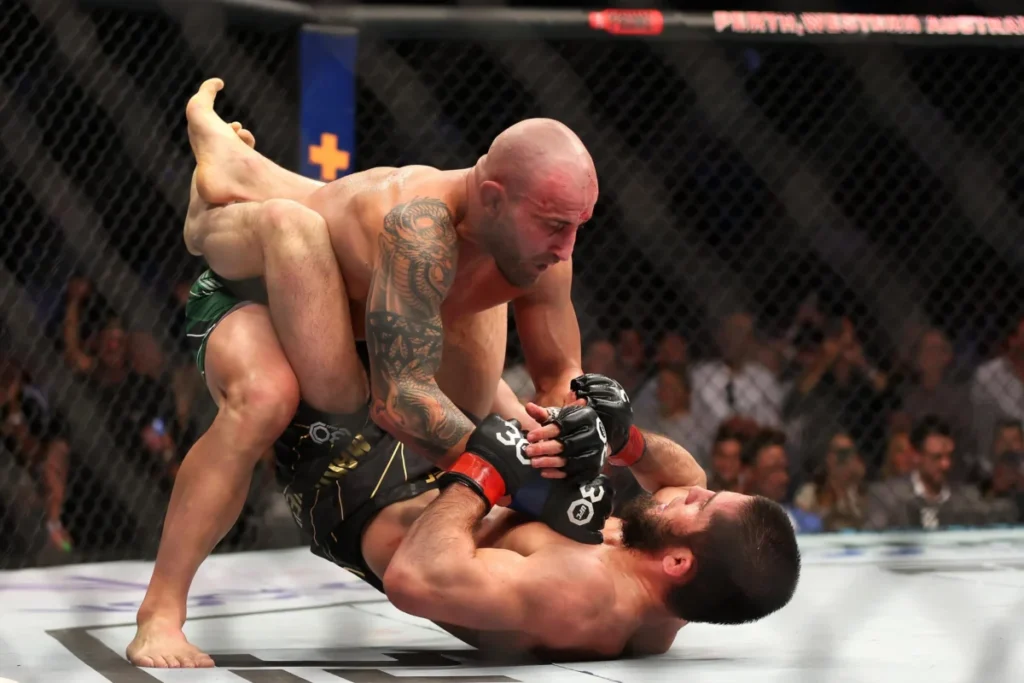
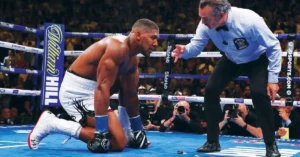
This sudden pivot to Usyk, a fighter Fury has never faced in the professional ring (a crucial distinction, as the original article’s phrasing "Fury has twice lost to Usyk" was likely a significant editorial error, possibly confusing Usyk’s victories over Joshua), transforms the entire heavyweight landscape. Oleksandr Usyk, the unified WBA, IBF, and WBO Heavyweight Champion, stands as one of the sport’s most formidable figures, having meticulously outboxed Anthony Joshua on two separate occasions to claim and retain his titles. He also holds the distinction of being an undisputed cruiserweight champion, showcasing his exceptional boxing IQ and skill across divisions.
Usyk’s manager, Sergey Lapin, was swift and pointed in his response to Fury’s impromptu challenge. Speaking to Sky Sports News, Lapin stated unequivocally, "Oleksandr is not Tyson’s back-up plan." He emphasized Usyk’s readiness for significant challenges but stressed that "serious intentions are backed by a concrete offer, not statements in the press." This pragmatic response underscores the reality that while a Fury-Usyk clash would be a monumental event – a true clash of titans for unified status and immense legacy – it would require formal negotiations and substantial financial commitments, not merely a social media call-out. For Usyk, who has consistently sought the biggest fights, the allure of adding Fury’s name to his already stellar resume is undeniable, but it must come with the respect and professionalism due to a unified champion.
The implications of Fury’s statements are far-reaching. If the Joshua fight indeed collapses, it would be a crushing blow to a contest that has been years in the making and promised to be one of the richest in British boxing history. The financial outlay from Saudi Arabian promoter Sela, who had fronted the bill and signed both fighters to separate contracts, would likely be substantial. The ripple effect on broadcasters like Netflix, who are understood to be keenly interested in the US staging, would also be significant. For Anthony Joshua, who has been working diligently to rebuild his career and confidence following his defeats to Usyk, the collapse of the Fury fight would represent another significant setback, potentially forcing him back to the drawing board to find a suitable, high-profile opponent to maintain his standing.
Fury’s behavior is, of course, entirely consistent with his unpredictable persona. Known for his tactical mind games, his "retirements" and "unretirements," and his ability to generate headlines, this latest move could be interpreted in several ways. It could be a genuine expression of frustration with the stalled Joshua negotiations, a sincere desire to move on to a fighter he perceives as more willing and able to step up. Alternatively, it could be a masterful piece of psychological warfare, designed to pressure Joshua and his team into conceding on the venue or other terms, pushing them to finalize the deal lest they lose out on the biggest fight of their careers. It could also be a marketing ploy, keeping his name in the headlines and generating buzz, regardless of the actual likelihood of a fight with Usyk happening on such short notice.
The broader heavyweight landscape hangs in the balance. The division, often lauded as boxing’s glamour weight class, thrives on clarity and anticipation for its biggest fights. This ongoing uncertainty surrounding Fury, Joshua, and now Usyk, casts a shadow over mandatory challengers and other contenders who are eager for their shot at the elite. Fighters like Daniel Dubois, Filip Hrgovic, and Zhilei Zhang are all vying for significant opportunities, but their paths are often dictated by the movements of the division’s top three.
Ultimately, the boxing world is left to speculate on the true intentions behind Fury’s latest pronouncements. Will the Joshua fight be salvaged through renewed negotiations and concessions on either side? Or is Fury genuinely prepared to pivot to a colossal showdown with Oleksandr Usyk in November, setting up a fight that would undoubtedly be one of the most technically compelling and historically significant in recent memory? The answers remain elusive, shrouded in the usual cloak-and-dagger dealings of professional boxing. What is certain, however, is that Tyson Fury, the "Gypsy King," continues to reign as the sport’s most compelling and unpredictable figure, ensuring that the heavyweight division remains as dramatic outside the ring as it is inside. Fans, meanwhile, can only watch, wait, and hope that the eventual outcome delivers the marquee fights they so desperately crave.