



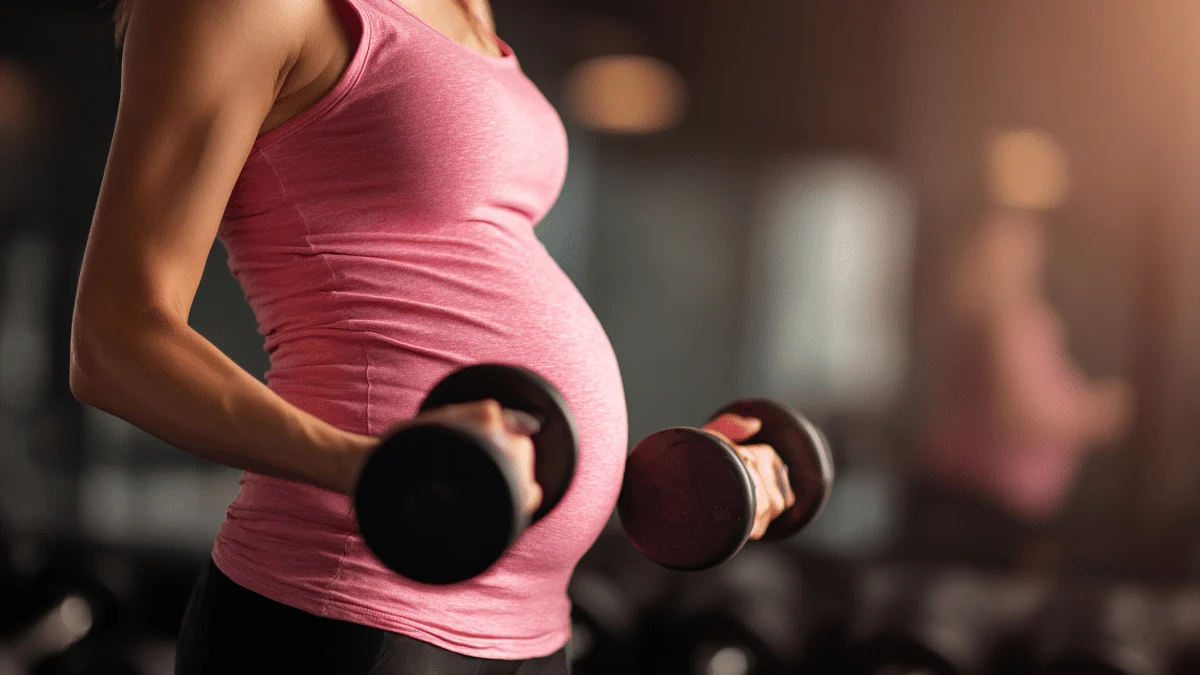
For generations, pregnant individuals have been subjected to well-meaning but scientifically unfounded warnings about physical exertion. Phrases like "lifting is dangerous," "you’ll hurt the baby," and various other forms of fear-mongering have dominated prenatal advice, typically relying on little to no actual clinical evidence. For decades, the default medical and social guidance leaned excessively toward caution, often advising pregnant individuals to avoid strenuous physical activity entirely, let alone pick up weights or engage in resistance training.
However, a massive shift is underway in sports science and obstetrics. Researchers are increasingly turning their attention to what the empirical evidence actually says about physical activity, muscle conditioning, and prenatal health. The results are painting a dramatically different picture of what a pregnant body can safely and effectively accomplish, challenging outdated dogmas and offering expectant mothers a new paradigm rooted in health data rather than antiquated fears.
At the forefront of this scientific shift is a recently published systematic review and meta-analysis that provides some of the most comprehensive insights to date. Encompassing 50 distinct studies and analyzing data from over 47,000 participants, this extensive body of work looked closely at the wide-ranging effects of resistance training on a plethora of pregnancy-related variables. Researchers tracked outcomes spanning from foundational prenatal health all the way through delivery milestones and long-term postpartum pelvic floor symptoms.
The findings from this landmark meta-analysis demonstrate that resistance training, when integrated into a sensible exercise routine, yields profound physical and psychological advantages. Among the most striking clinical outcomes was a roughly 50 percent reduction in the incidence of gestational hypertension. Gestational hypertension is a serious condition characterized by high blood pressure during pregnancy, which can escalate into dangerous complications for both the parent and the developing child if left unchecked or unmanaged. By mitigating this risk by half, structured resistance training acts as a powerful preventative tool.
A similarly robust relationship was observed regarding gestational diabetes, another common and potentially challenging pregnancy-related metabolic condition. The analysis revealed that resistance training resulted in a roughly 38 percent reduction in the likelihood of developing gestational diabetes. Given that gestational diabetes can complicate labor, increase the risk of surgical delivery, and affect the long-term metabolic health of the child, a nearly two-fifths reduction in risk represents a massive clinical benefit derived from keeping muscles active and engaged during pregnancy.
Beyond metabolic and cardiovascular health, the research uncovered vital psychological dividends. Interestingly, resistance training also reduced the risk of perinatal mood disturbances by roughly 50 percent across both the prenatal and postpartum periods. Perinatal anxiety and depression affect a significant percentage of expectant and new parents, often creating profound distress during an already vulnerable time. The dual impact of resistance training on both physical health and psychological well-being underscores its holistic value during a transformative phase of life.
Just as illuminating as the benefits are the things that did not happen. For years, the primary barrier to pregnant individuals lifting weights has been the fear of acute obstetric complications. Yet, the meta-analysis revealed that resistance training did not result in an overall increase in the specific risks that people traditionally worry about.
Rates of preterm birth, Caesarean delivery, and perineal injury appeared remarkably similar between individuals who engaged in regular exercise and those who did not. The data did note some minor variations in labor dynamics—specifically, some evidence suggested that those who exercised experienced a somewhat longer first stage of labor. However, this variation manifested without any meaningful differences or complications during the second, more active stage of labor.
Furthermore, infant health metrics remained entirely stable. Birthweight, gestational age, and the overall likelihood of delivering either a very small or a very large baby were unaffected by resistance training. In fact, macrosomia—a clinical term for having a larger-than-normal birthweight that can complicate delivery—was actually less common among those who exercised. When researchers examined pelvic floor symptoms, limited available data indicated that individuals who either maintained or increased their muscular strength throughout their pregnancy reported lower rates of overall pelvic floor dysfunction.
It is clinically important to contextualize the nature of the protocols evaluated in these studies. The resistance training regimens utilized across the bulk of the analyzed literature consisted primarily of short sessions featuring light lifting, frequently combined alongside other forms of general physical activity. However, that conservative baseline does not represent the absolute ceiling of what is possible or safe for trained individuals.
A couple of years ago, sports science analysts covered a notable study documenting the physiological impact of continuing much more intense weightlifting disciplines—such as the snatch and clean and jerk—as well as high-intensity CrossFit training throughout pregnancy. Remarkably, those studies yielded similarly promising and safe results. Both the prior investigation into heavy weightlifters and CrossFit athletes and the newly published meta-analysis were spearheaded by prominent researchers Dr. Christina Prevett and Dr. Margie Davenport, whose dedicated work continues to advance both clinical research and public understanding in this vital field.
Adding to this growing body of positive data, additional contemporary evidence suggests that resistance training may also support significantly better day-to-day well-being throughout the entirety of a pregnancy. A separate systematic review of randomized controlled trials reported broad improvements in overall quality of life metrics. These benefits included noticeably reduced fatigue, better and more restorative sleep, fewer generalized aches and pains—particularly the low back and pelvic discomfort that frequently plague expectant parents—and improved overall physical functioning.
When viewed collectively, the current scientific literature suggests that lifting weights during pregnancy, when appropriately prescribed, monitored, and adjusted by a qualified professional, is not only safe but represents a clear net positive for both parent and child.
For those looking to stay informed on the intersection of exercise science and practical training, organizations like Stronger By Science continue to publish regular weekly newsletters featuring practical training insights and clear, accessible summaries of the latest peer-reviewed research.