



Full-body training does not have to mean hour-long gym sessions, grueling routines, or following traditional bodybuilder splits. In fact, fitness professionals and coaches are increasingly proving that short, daily workouts might be the well-kept secret to sustainable health, lifelong strength, and lasting physical resilience.
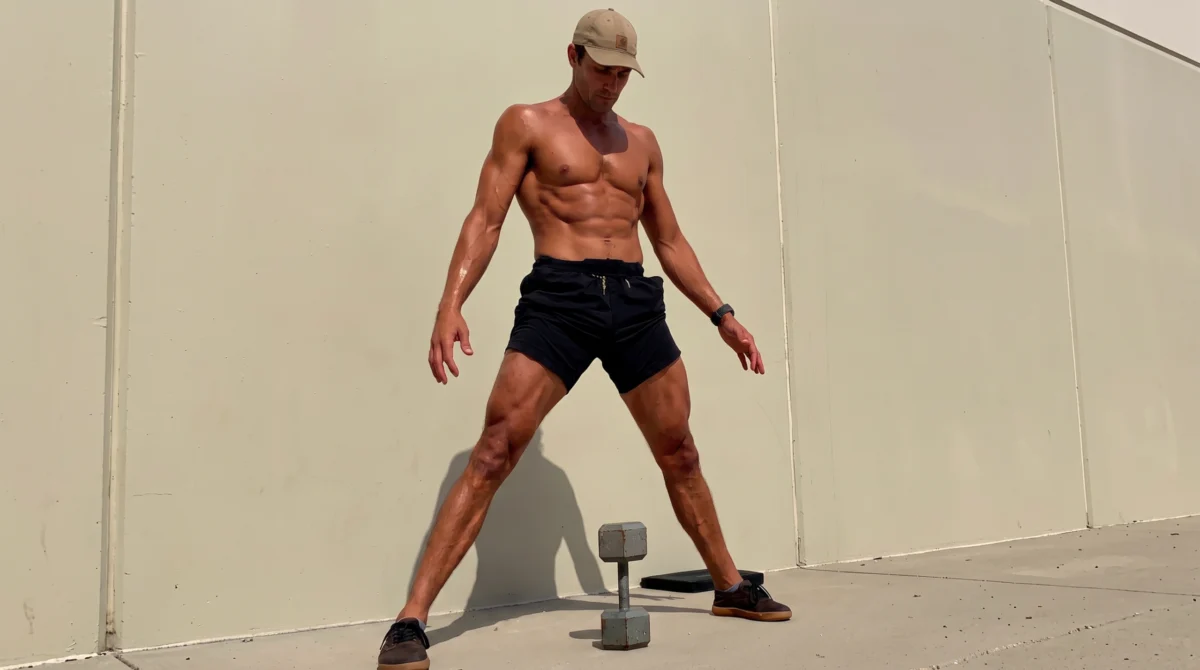
Julian Smith, the founder of Strength Side, recently pulled back the curtain to share his complete weekly training routine—and it directly challenges almost everything mainstream fitness culture tells us about optimal program design. While modern fitness trends often push individuals toward exhaustive, high-intensity regimens that demand hours of spare time each week, Smith’s approach is refreshingly different. Most of his daily training sessions clock in at under 20 minutes. Yet, the reported results are comprehensive: improved strength, enhanced mobility, and high-level conditioning achieved completely without the heavy toll of burnout.
Why Daily Training Beats Traditional Splits
Smith opens his philosophy with a provocative and grounding statement: there is no single "right" way to train the human body. For the vast majority of people who simply want to stay healthy, mobile, and in good physical shape, modeling training after professional bodybuilders, powerlifters, or marathoners is often counterproductive. Those are competitive sports characterized by hyper-specific training methods designed for hyper-specific results.
This perspective cuts straight through the noise of a multi-billion-dollar fitness industry. Elite athletic programs are meticulously optimized for one singular quality—whether that is maximal absolute strength, extreme muscular hypertrophy, or peak cardiovascular endurance—very often at the direct expense of overall systemic health, joint integrity, and long-term longevity.
Smith learned this harsh lesson firsthand through his own athletic journey. Years ago, he routinely chased massive deadlifts, heavy compound loads, and magazine-cover aesthetics until, as he candidly puts it, those physical consequences eventually caught up with him. Joint wear, systemic fatigue, and nagging injuries forced a serious reassessment of his fitness goals. Nowadays, his priorities have fundamentally shifted. He simply wants to be healthy enough to enjoy life fully, maintain physical independence, and avoid unnecessary visits to the doctor’s office.
This pivotal philosophy shift led Smith to completely abandon traditional bodybuilding splits—such as working isolated muscle groups once or twice a week—in favor of daily full-body training. By breaking his physical activity down into brief, concentrated sessions, he manages to build foundational strength, improve mobility, and boost work capacity without grinding his joints or central nervous system into dust.
The Monday Blueprint: Full-Body Strength in 15 Minutes
The beginning of the week sets the tone for Smith’s routine, and his Monday morning training block is deceptively simple. It typically commences with three minutes of continuous jump rope work, serving as both an elevated cardiovascular warm-up and an active priming session for the lower legs and ankles. This is immediately followed by a classic, highly efficient bodyweight strength circuit.
Rather than spending hours moving from machine to machine, Smith targets specific volume numbers through a condensed format. He breaks his work into five fast-paced rounds featuring pull-ups, push-ups, and bodyweight squats, maintaining minimal rest intervals between sets. The entire sequence is completed in under 15 minutes, inclusive of the warm-up period.
To add an athletic dimension to the session, Smith sometimes incorporates mace swinging while maintaining a deep horse stance, though he emphasizes that this supplementary movement is entirely optional. The core insight behind this structure is that flexibility in execution and movement quality matter far more than rigid, unyielding programming. He focuses on accumulating tons of high-quality work over the course of weeks and months, deliberately steering clear of the mindset that every single workout needs to be an exhausting, body-shattering event.
Later that same day, Smith layers in a supplementary block of functional sandbag work, which includes dynamic tosses, weighted shoulder carries, and sandbag squats. Even with this afternoon addition, his total training time for Monday remains modest, proving that effective conditioning does not require endless hours spent inside a commercial gym.
Tuesday’s Mobility Focus: Opening Up What Matters
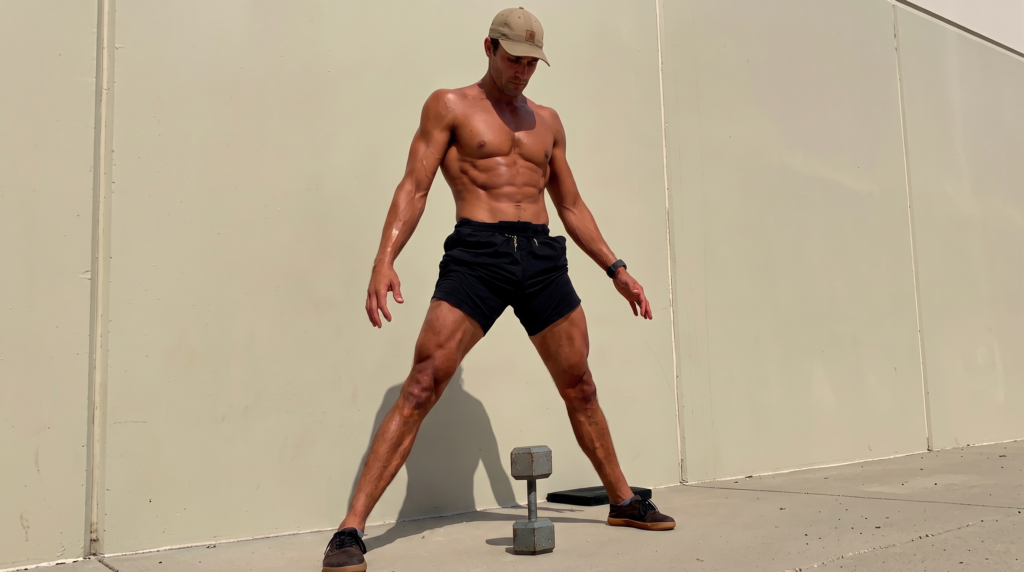
Following another brief morning session of jump rope and an Indian club warm-up, Tuesday shifts toward a dedicated mobility focus. Smith targets common physical problem areas that tend to plague modern adults, particularly those who spend extended hours sitting at desks.
Using focused mobility drills completed across two concise sets, the entire session takes less than 10 minutes to complete. These specific movements are designed to address tight hamstrings, restrictive hip flexors, tight groins, anterior shoulders, and internal and external hip rotation—precisely the areas of the body that sedentary lifestyles degrade first.
Smith seamlessly integrates this mobility work into his broader athletic pursuits, noting that his hips feel remarkably open when he transitions to rock climbing later in the day. Following his climb, he typically performs a modest amount of weighted pull-ups and push-ups.
This is where his overarching training philosophy truly shines. His quick morning sessions provide all the baseline stimulus he needs to stay fit, functional, and healthy. Anything he chooses to do after that initial window is simply icing on the cake. Because he genuinely enjoys climbing, weighted calisthenics, sandbag training, and athletic movement patterns, he incorporates them naturally whenever he has the spare time and physical energy. The activities remain fun and engaging precisely because they are never treated as burdensome obligations. The morning routine handles the non-negotiable essentials, while everything else is treated as play.
Wednesday Through Friday: Strength Variation and Volume
As the work week progresses, Wednesday mirrors the structural framework established on Monday, though the specific movement variations are rotated to keep the body adapting and the routine fresh. Every single day without exception starts with the mandatory three-minute jump rope baseline, complemented by additional short movement bouts sprinkled throughout the day to shake off the physical stagnation caused by prolonged sitting.
Smith credits this consistent, low-dose daily approach with maintaining impressive cardiovascular markers—such as sustaining a comfortable seven-minute mile running pace while weighing over 200 pounds—despite doing very little actual, dedicated distance running.
Thursday pivots back toward structural mobility and joint health. The session features straight-arm Hindu push-ups to condition the shoulders, spine, and hamstrings, paired strategically with dedicated quad stretching, split squats, and deep horse stance holds. This targeted routine takes roughly 15 minutes, which Smith again follows with an optional 15-minute block of sandbag lifting.
Friday closes out the traditional work week by returning to the familiar strength targets introduced on Monday, though the structure is slightly modified. The volume is redistributed into two longer sets featuring extended rest periods, allowing the body to complete the work cleanly in roughly 12 minutes. Later in the day, he dedicates time to explosive park sprints and jumping movements to maintain lower-body power output.
The Weekend: Conditioning and Recovery
As the weekend arrives, the training focus shifts slightly toward metabolic conditioning while maintaining the underlying ethos of brevity and efficiency. Saturday involves a series of rounds combining cardiovascular output and full-body functional movements, designed to keep the heart rate elevated in a challenging zone for approximately 20 minutes. This is once again followed by recreational pursuits like climbing and weighted calisthenics later in the day.
Sunday, by contrast, is treated as a strictly restorative day. Rather than pushing for athletic performance, the focus shifts to gentle jump rope intervals, easy stretching routines, spinal bridges designed to counteract the forward-flexion patterns accumulated throughout the work week, and an unhurried family hike in nature.
Why This Approach Works and What Science Says
Smith’s programming embodies several foundational principles that are well-supported by contemporary exercise science. Daily training frequency, for instance, is widely recognized as an exceptionally effective strategy for motor skill development and neuromuscular adaptation. Extensive research consistently demonstrates that spreading total weekly training volume across more frequent, shorter sessions can easily match—and often exceed—the effectiveness of traditional low-frequency, high-volume bodybuilding routines, particularly when it comes to long-term strength retention and movement quality.
Furthermore, Smith’s steadfast emphasis on submaximal training aligns closely with modern understandings of fatigue management and autonomic nervous system recovery. By deliberately avoiding muscular failure and exhaustion during his daily sessions while still accumulating substantial cumulative volume over time, he promotes continuous physiological adaptation without compromising recovery capacity.
While some of his individual athletic claims—such as maintaining a fast running pace with minimal running practice—wrestle with the established physiological principle of movement specificity, the broader health benefits of his method are undeniable. Running economy typically requires sport-specific practice, but high-intensity varied training has repeatedly been shown to preserve robust baseline aerobic capacity.
For the average individual seeking general health, metabolic fitness, and longevity, Smith’s routine easily satisfies the recommendations set forth by major health organizations, which typically advocate for regular moderate-to-vigorous physical activity paired with consistent resistance training.
The Jump Rope Secret Weapon
Throughout his entire routine, jump rope remains the one absolute non-negotiable element. Smith views it as the single most accessible and effective tool available for the general population.
The exercise offers a unique constellation of physiological benefits: impact loading that stimulates bone mineral density, targeted strengthening of the lower legs, calves, and intrinsic foot muscles, advanced motor coordination development, and a highly efficient cardiovascular stimulus. Unlike traditional jogging, it is entirely independent of outdoor weather conditions and remarkably joint-friendly when executed with sound biomechanical technique.
Establishing a three-minute daily minimum creates a powerful habit of consistency that compounds quietly over months and years, yielding far greater long-term health dividends than occasional, heroic weekend workouts ever could.
Practical Takeaways for Your Training
Ultimately, what makes Smith’s daily training philosophy compelling is not the invention of entirely new exercises—bodyweight calisthenics, targeted mobility work, and jump rope have all been staples of physical culture for decades. Instead, the true innovation lies entirely within the structure and the psychological mindset.
By keeping daily sessions strictly under 20 minutes and distributing physical work evenly across all seven days of the week, he effectively dismantles the primary barriers that prevent people from maintaining long-term fitness habits: severe time constraints and prolonged recovery demands. There is no psychological dread associated with an intimidating 90-minute gym session, nor is there any need for a week-long recovery period following a brutal lower-body workout.
Instead, the routine offers a sustainable alternative built on daily movement, manageable daily doses, and steady accumulation. By prioritizing long-term physical sustainability over temporary peaks of intensity, Smith’s approach provides a viable roadmap for anyone looking to build lasting strength, health, and resilience for decades to come.