Mike Tyson’s sensational win-to-knockout ratio sent shockwaves through the sport of professional boxing during his terrifying prime, leaving an indelible mark on the heavyweight division that remains unmatched in modern sports history. "Iron" Mike burst onto the heavyweight scene during the mid-1980s, making his highly anticipated professional debut in the spring of 1985 when he was just 18 years old. From the very first moment he stepped into a professional ring, it was clear that a generational talent had arrived. He tore through his early opposition with a ferocious speed, devastating punching power, and a defensive head movement that left seasoned opponents baffled and helpless.
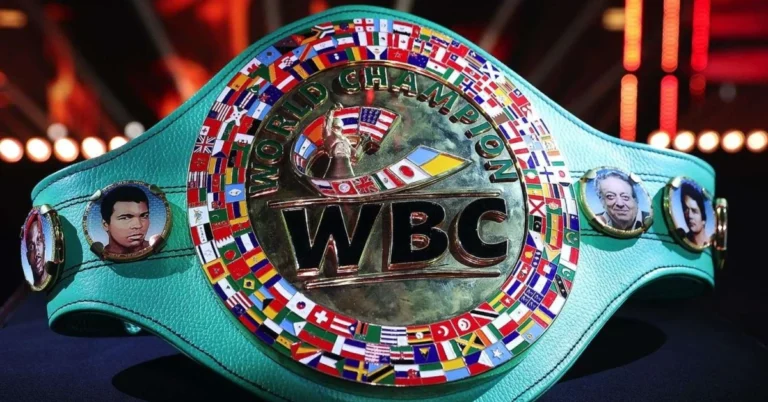
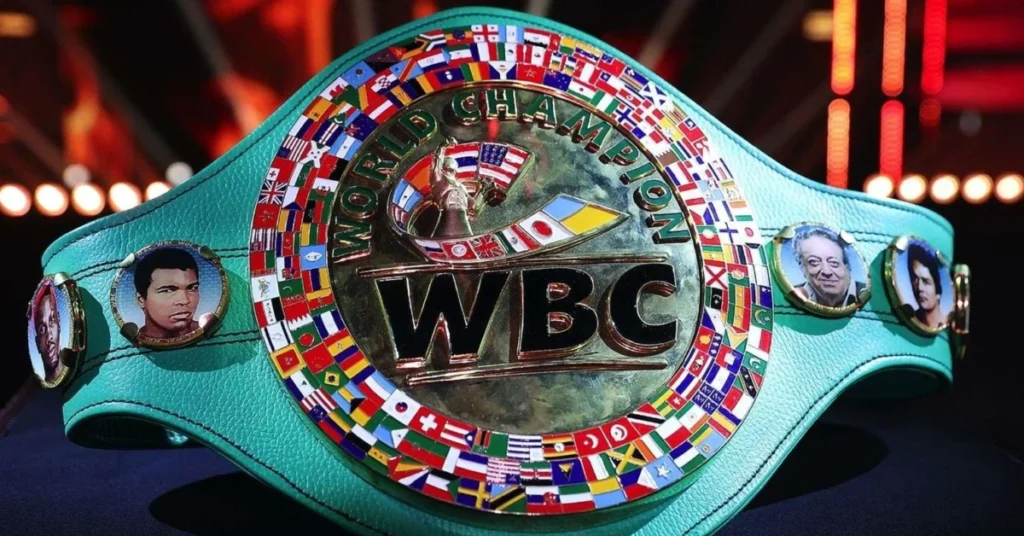
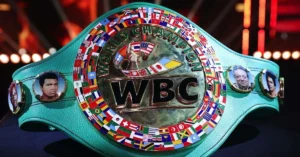
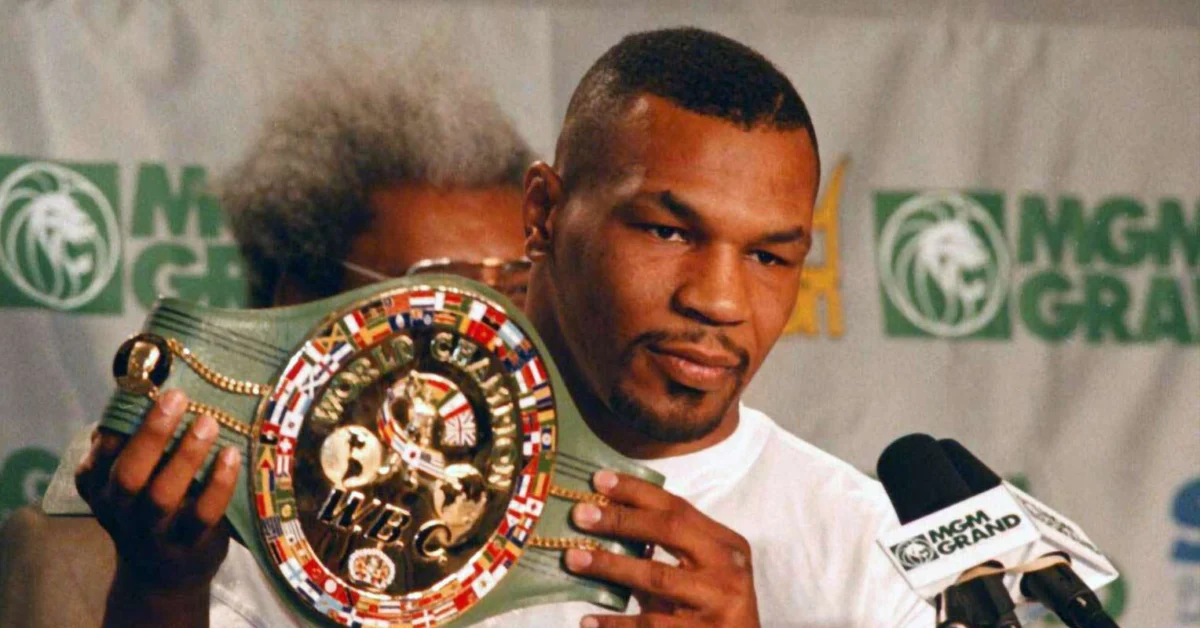
He won his first 19 career outings via stoppage, with an astounding 12 of these coming in the opening round alone. Opponents were routinely dismantled within minutes, often looking defeated before they even stepped under the arena lights. Tyson captured world honors for the first time just one year after his professional debut when he faced Trevor Berbick in November 1986. Displaying the peak of his devastating early-career form, Tyson knocked out Berbick in the second round of their championship bout, capturing the WBC heavyweight title and etching his name into the history books as the youngest ever heavyweight champion in boxing history at just 20 years old.
Tyson’s dominant reign as world champion lasted for four glorious and destructive years. During this golden era, he systematically cleaned out the heavyweight division, defeating top-tier contenders and fellow champions such as Michael Spinks, Frank Bruno, and Larry Holmes. His victory over Holmes in 1988 remains one of the most clinical performances of his career, while his 91-second demolition of the previously undefeated Michael Spinks cemented his status as the baddest man on the planet. Landmark victories over WBA champion James Smith and IBF champion Tony Tucker saw "Iron" Mike unify the division to become the undisputed heavyweight champion of the world. His reign of terror at the summit of boxing seemed like it would never end, until he was eventually beaten by Buster Douglas in Tokyo in 1990 in what remains one of the most monumental and shocking upsets in the history of sports.
Even after his initial championship era concluded, Tyson’s career was defined by dramatic chapters, high-stakes pay-per-view events, and a lasting cultural impact that transcended the sport of boxing. Years later, as he continued his career into the 2000s, he faced a new generation of fighters looking to make a name off the legend of the former champion. One fighter who actually got the better of Tyson was Irishman Kevin McBride, who famously beat the heavyweight icon back in June 2005 during what would prove to be the final professional bout of Tyson’s initial career before his retirement.
That memorable night in Washington, D.C., saw McBride weather the early storm before using his size and stamina to wear down the veteran champion, ultimately leading to Tyson quitting on his stool before the start of the seventh round. Despite being victorious over "Iron" Mike on that historic evening, McBride has always maintained a deep and respectful appreciation for the legendary status of his former opponent. In fact, McBride once paid homage to the thunderous punching power that made Tyson one of the most feared athletes to ever lace up a pair of gloves.
Speaking during an interview with Bloody Elbow, McBride claimed that he can still feel the incredible power of "Iron" Mike, even decades after they shared the squared circle. The passage of time has done nothing to diminish the physical memory of what it was like to absorb a blow from the former undisputed champion. Reflecting on the enduring nature of Tyson’s gifts, McBride offered a vivid reminder of what made the heavyweight so dangerous.
"Mike Tyson’s power is unbelievable. I still feel it to this day, more than 19 years later," McBride stated. He went on to contextualize the longevity of such elite athletic traits, drawing comparisons to other historical greats. "He hits so hard and power is the last thing to go. George Foreman proved that against Michael Moorer. Sure he was a bit younger than Mike is now, but power-wise it is one of the biggest punches in history."
Foreman’s legendary knockout of Moorer in 1994 at the age of 45 famously demonstrated that a puncher’s power remains a lethal weapon long after speed and reflexes have begun to fade. For McBride, taking punches from Tyson provided a firsthand education in that immutable law of boxing physics. Even in victory, the physical toll of absorbing blows from a prime-level puncher like Tyson left an impression that lasted nearly two decades.
Tyson’s relationship with the sport has continued to evolve long after his formal retirement from professional championship competition. Keeping his name in global headlines, Tyson made a sensational yet controversial return to professional boxing last November. In a bout that captured the attention of millions worldwide, he was defeated by internet personality-turned-boxer Jake Paul at the iconic AT&T Stadium in Arlington, Texas. The event, which was broadcast globally on Netflix, marked a massive commercial spectacle but left many purists and longtime fans talking about the spectacle rather than the athletic contest.
The matchup followed a frustrating eight-round contest that has received widespread criticism from boxing fans, analysts, and pundits globally. Viewers noted the stark age difference and the slow, cautious pace of the fight, which contrasted sharply with the explosive, fast-paced action that defined Tyson’s legendary career in the 1980s and 1990s. Despite the controversies surrounding his modern exhibition and professional ventures, the enduring fascination with Mike Tyson proves that his legacy remains as potent as ever. Whether discussed for his historic reign as the youngest heavyweight champion in history, his terrifying knockout ratio, or the lingering physical memories shared by the men who stood across the ring from him, "Iron" Mike remains one of the most captivating figures the sport of boxing has ever produced.