


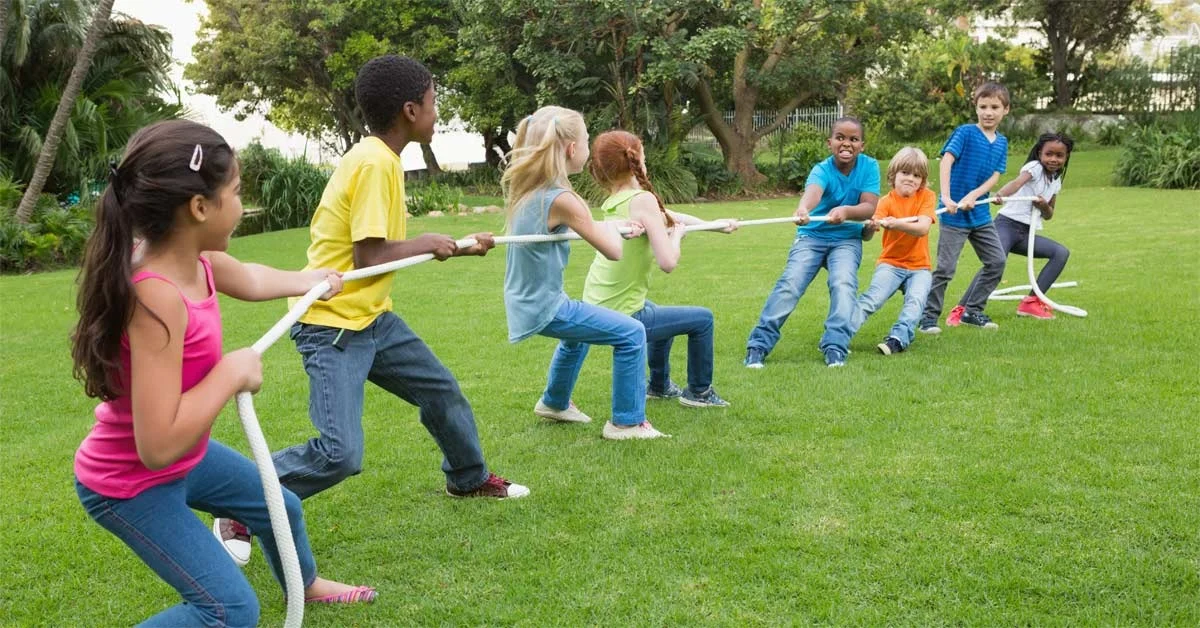
The period stretching from the late pre-teen years to early adolescence represents an ideal window for introducing structured athletic training to developing youths. At this developmental stage, physical and cognitive maturity has advanced sufficiently for athletes to grasp the underlying objectives of performance-focused training programs. Generally speaking, athletes in this age group are capable of lining up, paying attention, and following instructions.
Yet, according to coach Jeremy Frisch, the warm-up period offers the single greatest opportunity to introduce and teach a wide array of fundamental athletic skills. Frisch contends that the warm-up is arguably the most critical component of any training session within a youth athletic development program. Working with young athletes requires a distinct mindset, differing sharply from the methods applied to elite adult competitors or older populations. Warm-ups geared toward elite performance differ fundamentally from warm-ups centered on education and motor learning for children.
Too often, athletic programs rely on simplified versions of routines designed for older populations, leaning heavily on foam rollers, fascial stretching, and remedial corrective exercises. Frisch argues that coaches must look beyond these passive recovery tools and reshape warm-ups to match the developmental needs of young participants, ensuring the process remains dynamic, engaging, and enriching. True motor coordination requires demanding tasks and motivated athletes. Treating children like older patients rather than young, developing athletes shortchanges their long-term potential.
Establishing the Right Mindset for Youth Warm-Ups
While athletic performance remains the ultimate goal for most coaches, ignoring the psychological profile and natural inclinations of children risks disengaging them entirely. Many advanced training principles hold little relevance for young children, whose primary motivation is to have fun and whose physical needs differ vastly from those of veteran athletes or elite collegiate competitors. With older athletes, the warm-up serves primarily to prepare the body for an impending high-intensity training session, building capacity for immediate and future workloads.
A properly executed warm-up raises core body temperature and introduces elasticity into muscle tissue through active movement. Beyond these physiological shifts, an effective routine fosters vital physical and neurological factors that require years of deliberate repetition to build. Although some young athletes may appear physically ready for high-level competition, they frequently harbor hidden gaps in their athletic development. These shortcomings often stem from a lack of diverse movement experiences, excessive early specialization, or the sedentary nature of modern daily life.
The ultimate objective of a comprehensive physical preparation program is to develop speed, agility, strength, and endurance to their highest levels. However, coaches must first ensure that young athletes possess a baseline foundation of mobility, stability, coordination, and balance. These attributes form the bedrock of athletic development, and young participants need dedicated time to address any developmental deficiencies. By utilizing the warm-up period to introduce and reinforce these core qualities, coaches lay a resilient foundation for future athletic success.
While speed development and the fundamentals of strength training have a rightful place in youth programs, coaches must simultaneously secure foundational athletic competencies to achieve immediate, positive results. Incorporating dynamic movements like multidirectional A-skips or bear crawls rapidly improves rhythm and timing. Gone are the days when a simple jog around the field, an agility ladder drill, and static stretching adequately addressed the breadth of movement skills required by modern sports. Young athletes are not miniature Olympians, and the warm-up must be recognized as a critical period that prepares the body holistically for physical activity.
The Core Structure of a Youth Warm-Up Session
To build comprehensive athletic capacity, youth warm-ups should be broken down into a multi-part sequence designed to expose athletes to novel and diverse motor skill sets. To maintain high motivation and engagement, each sequence is kept brief, while movement variations are continuously introduced.

Many sports routinely force athletes into unusual positions and chaotic movement patterns. Practicing movement variability teaches fundamental mechanics alongside countless variations, preparing participants to handle the unpredictable nature of competitive sports and make necessary bodily adjustments on the fly. Frisch divides the athletic warm-up into five distinct yet interconnected components.
Locomotor Skills
Locomotor skills represent basic ways of moving and serve as a cornerstone of coordination. These movement patterns provide athletes with vital spatial awareness regarding their position relative to objects and other people, enabling them to navigate effectively from one point to another. Over time, deliberate practice teaches athletes to select the most appropriate movement strategy for any given situation.
Basic locomotor skills include walking, marching, skipping, single-leg hops, lateral shuffling, broad jumps, and galloping. While children once mastered these movements naturally through elementary physical education, modern lifestyles often limit opportunities for such exploration. The beauty of these simple movements lies in the infinite ways they can be performed, challenging various aspects of coordination across multiple planes of motion.
By incorporating movements that challenge temporal and spatial synchronization—such as high-knee runs paired with specific arm circles—coaches can develop an athlete’s ability to execute simultaneous, non-related motor patterns. Engaging children in locomotor movement early in the training session also helps dissipate accumulated energy following a long day spent sitting in classrooms. True movement requires displacement and space utilization, breaking the confined habits of modern daily environments.
Real Athletic and Coordinative Mobility
Mobility work represents one of the most misunderstood aspects of physical preparation. Over recent years, fitness culture has frequently substituted proper movement with static stretching, foam rolling, and excessive corrective exercises, creating a perception that healthy children are inherently fragile or dysfunctional. While recovery tools have their place, healthy young participants benefit far more from consistent exposure to fundamental movement training.
The goal of mobility sessions is to safely expose joints to varied directions, ranges of motion, and muscle tensions. This is achieved through full-body movements that span a wide range of motion, such as squatting, lunging, reaching, and twisting. For adolescents undergoing rapid growth spurts, mobility work is particularly crucial, as growth spurts can temporarily degrade coordination and structural control. Dedicating a few minutes to full-range joint articulation supports both immediate performance and long-term joint health.
Tools like PVC pipes and simple training sticks can transform mobility training for young athletes, enabling wide ranges of motion while teaching fundamental motor skills. Such objects help athletes of all genders learn essential gripping and manipulation mechanics that translate directly to stick- and bat-based sports.
Stability, Core Strength, and Balance
Core training encompasses the development of strength and stability across the entire body, extending from the fingertips to the toes. Motor skill training should place young athletes in diverse body positions—face down, face up, on one foot, or across varying stances—utilizing both static holds and dynamic transitions.

Developing total-body tension across varied points of contact with the floor builds a durable framework for athletic posture. Movements derived from crawling patterns, as well as athletic stances executed from square, staggered, or single-leg positions, reinforce the body positions demanded by competitive sports. While stationary core exercises have value, children require controlled doses of physical chaos and exploration to stay engaged, making locomotor transitions far more effective than static holding for youth populations.
Gymnastics, Tumbling, and Animal Movements
This phase of the warm-up allows athletes to practice controlling their body weight on the ground and executing smooth transitions between standing and floor positions. Many modern youths have lost familiarity with ground-based movement, having long transitioned away from natural crawling and rolling patterns. Yet, field and court sports frequently require athletes to absorb impacts, slide, dive, or fall safely.
Competencies in tumbling and basic gymnastics ensure that young participants develop the body control and confidence needed to protect themselves during accidental falls or physical collisions. Incorporating rolls, crawls, and floor transitions builds resilience, ensuring athletes can navigate physical obstacles with confidence.
Motor Skills and Connection Strength
Strength development is an integral part of athletic training, and dedicating brief periods to mastering simple bodyweight exercises lays the groundwork for more advanced loading later in life. Connection movements serve as a natural bridge to more dynamic training phases, preparing the legs and core for higher-intensity drills like skipping or sprinting.
By keeping distances manageable and focusing on slow, controlled execution, coaches can observe technical proficiency and introduce variations progressively rather than overwhelming athletes with too many novel patterns at once.
Addressing Older Age Groups and Final Thoughts
Advanced athletes at the high school and collegiate levels also benefit from moving away from passive stretching and foam rolling as primary preparation tools. While self-care methods have a maintenance role, they should not replace a robust dynamic warm-up designed to address minor movement inefficiencies at their root.
Effective warm-ups require clear organization and structure, though the exact level of discipline depends on group size and maturity. Rather than fighting against youthful energy or imposing rigid military-style constraints, coaches find greater success by redirecting that energy into engaging movement practices. Providing young athletes with the freedom to explore movement, express themselves, and play remains a cornerstone of effective long-term athletic development.