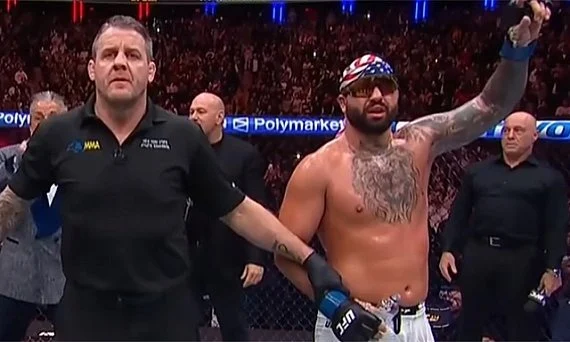


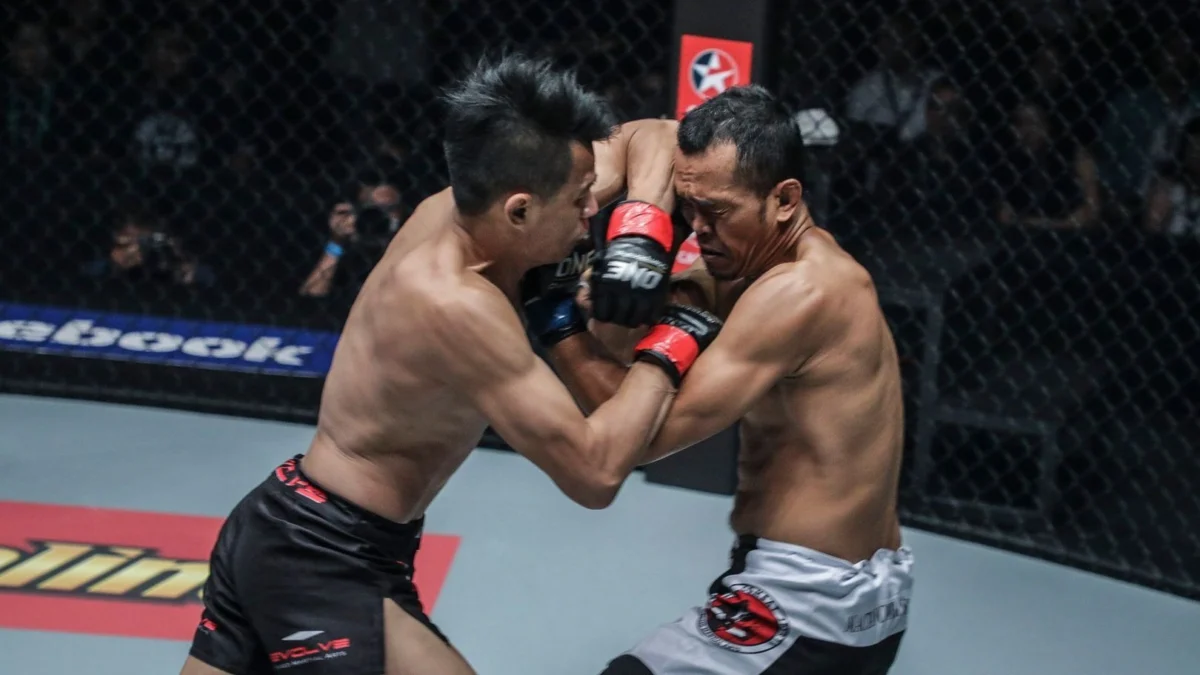
Mixed martial arts (MMA) has cemented its status as the fastest-growing combat sport on the planet, enjoying unprecedented mainstream success over the past decade. What once lived on the fringes of sports entertainment has transformed into a multi-billion-dollar global phenomenon. This meteoric rise has been fueled by high-profile superstars—names like Conor McGregor, Ronda Rousey, Jon Jones, and Brock Lesnar—who transcended the traditional pool of diehard fight fans to capture the imagination of the general public. From the early, wild-west days of the Ultimate Fighting Championship (UFC) to the establishment of major modern-day promotions such as ONE Championship, Bellator, and Rizin FC, MMA now sits firmly in the global sporting spotlight.
Despite this massive influx of mainstream viewers, however, a significant portion of the audience still tunes in to watch fights without fully understanding the intricate web of individual disciplines and martial arts that comprise the "mix" in mixed martial arts. While casual observers marvel at the knockouts and submissions, appreciating the sport at a deeper level requires a look under the hood at the foundational pillars that allow modern athletes to succeed. To understand how a fight unfolds inside the cage, it is essential to break down the five most prominent and effective martial arts disciplines that form the bedrock of modern MMA.
Wrestling
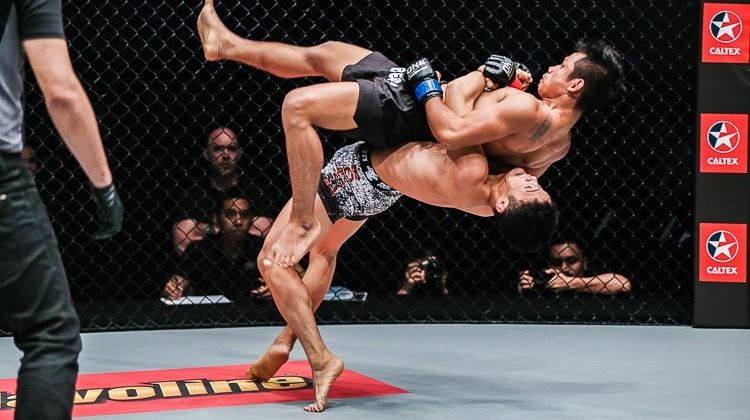
Aside from holding championship titles in their respective weight classes, elite fighters such as Daniel Cormier, Jon Jones, Robert Whittaker, Kamaru Usman, Khabib Nurmagomedov, Henry Cejudo, and Amanda Nunes share another critical commonality: a profound, ironclad background in wrestling. It is safe to say that wrestling ranks among the most important and influential disciplines in all of MMA, and the sheer dominance of wrestlers over the past few years serves as undeniable proof of its effectiveness.
Without a strong wrestling base, the ability to dictate where a fight takes place—whether dragging an opponent to the canvas or stuffing a desperate takedown attempt—would be severely compromised. Consequently, a high-level wrestler often presents a nightmarish stylistic matchup for any opponent who lacks proficiency in this specific department. Former UFC featherweight and lightweight champion Conor McGregor vividly demonstrated how dangerous it can be to stand across the cage from a master wrestler when he faced Khabib Nurmagomedov—a elite Sambo and grappling specialist—suffering the most overwhelming defeat of his career at UFC 229 in October 2018.
Geographically, the prevalence of wrestling styles often shapes a fighter’s initial approach to combat sports. Because there is no deeply ingrained collegiate wrestling culture in countries like Ireland, the United Kingdom, Thailand, and many other parts of Europe and Asia, fighters hailing from these regions naturally tend to develop superior stand-up skill sets. When looking at striking arts that offer a comparable level of foundational dominance on the feet, few disciplines come as close to mirroring the utility of wrestling as Muay Thai, which serves as arguably the most effective stand-up equivalent in a mixed martial artist’s toolkit.

Muay Thai
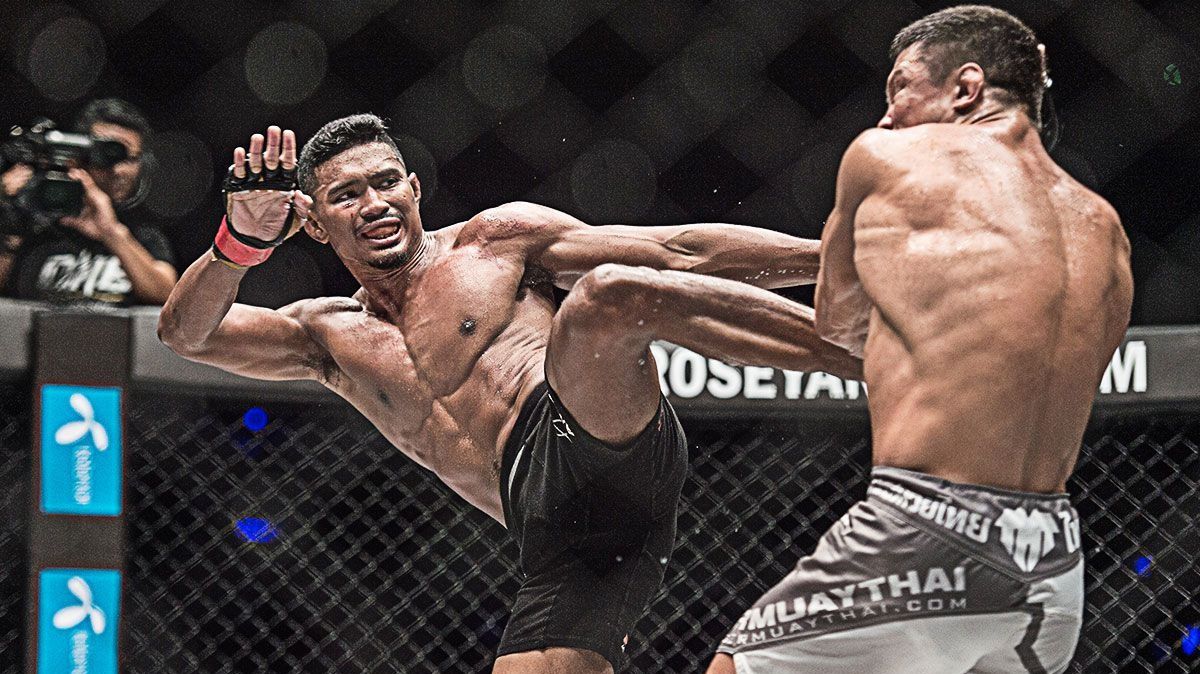
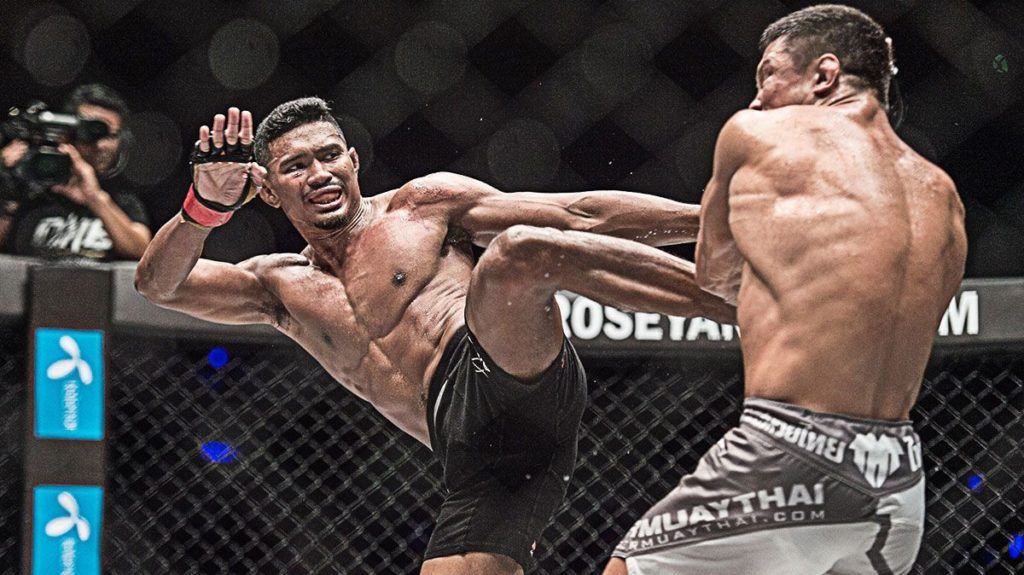
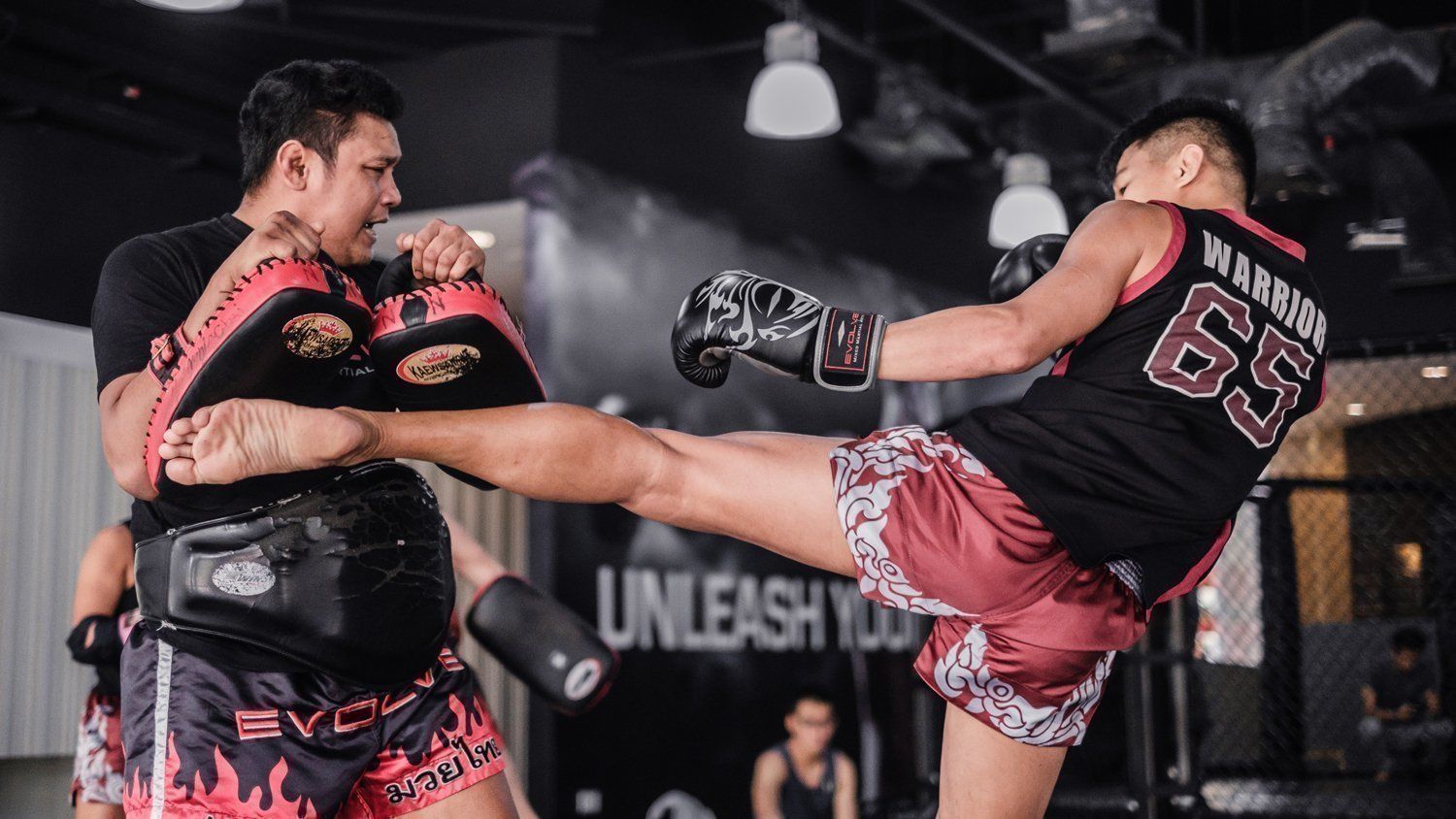
When competing inside a cage, Muay Thai—otherwise universally known as the "Art of the Eight Limbs"—stands as the most cultured, versatile, and devastatingly effective of all striking arts. By utilizing fists, elbows, knees, and shins, Muay Thai provides mixed martial artists with an expansive arsenal of weapons capable of neutralizing and overcoming virtually any adversary.

Over the years, the combat sports world has witnessed numerous legendary athletes—including Jose Aldo, Anderson Silva, Joanna Jędrzejczyk, Dejdamrong Sor Amnuaysirichoke, Wanderlei Silva, and Valentina Shevchenko—demonstrate just how lethal Thailand’s national sport can be under MMA rules. In major promotions like ONE Championship, elite practitioners such as Yodsanklai Fairtex and Sam-A Gaiyanghadao continue to showcase the supreme efficiency of this striking system. Furthermore, the pervasive presence and deep reverence for Muay Thai within MMA gyms across the globe underscore its indispensable value as a foundational striking base.

From devastating leg kicks and spear-like teeps to suffocating clinches, tactical sweeps, thunderous roundhouse kicks, and razor-sharp elbows, Muay Thai reigns supreme in the striking department of MMA. For an MMA practitioner building a comprehensive arsenal of striking weapons, very few disciplines can truly rival the completeness of Muay Thai.

Brazilian Jiu-Jitsu (BJJ)
The history of modern MMA is inextricably linked to Brazilian Jiu-Jitsu. The UFC itself was co-founded by Rorion Gracie, the legendary BJJ master and patriarch of the world-famous Gracie family. Gracie’s primary motivation for launching the organization was to prove to a skeptical global audience that Brazilian Jiu-Jitsu was the most effective martial art known to humanity. His brother, Royce Gracie, made an extraordinary case for this claim by decisively winning three of the first four Ultimate Fighting Championships, a clean sweep that would likely have been four out of four had it not been for sheer physical exhaustion.

While fighters and fans alike struggled to comprehend or deal with the intricacies of BJJ during the early-to-mid-1990s, training in the discipline has since evolved from an exotic novelty into an absolute, non-negotiable requirement for any athlete aspiring to make it to the top of the sport. The roster of legendary fighters who have captured world titles and established lasting legacies on the back of elite submission skills and ground-fighting techniques is far too vast to comprehensively list.

From universally recognized techniques like the rear-naked choke and the armbar to more specialized submissions such as the Von Flue choke and the Gogoplata, Brazilian Jiu-Jitsu remains as fundamentally important to mixed martial arts as wheels are to a car.

Boxing
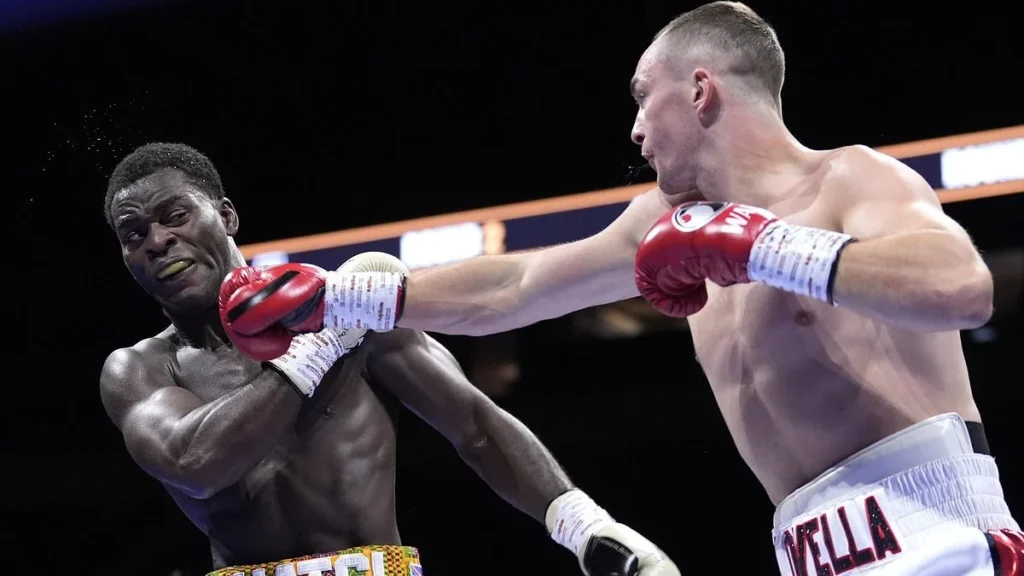
Ironically, the world’s most popular standalone martial art also happens to be one of the most critical disciplines for a fighter to integrate into the MMA cage. Regardless of whether an athlete’s primary base is Muay Thai, Kickboxing, Taekwondo, Karate, or Kempo, the baseline ability to throw a crisp jab, a powerful cross, a disruptive hook, and a decisive uppercut is an absolute expectation for any world-class competitor.

Boxing, by its very definition and heritage, is a sport that places an immense emphasis on footwork, spatial awareness, the ability to cut angles, and finding innovative openings to land clean strikes on an opponent. While traditional boxing features no offensive strikes or legal contact below the waist—making it an incomplete discipline upon which to base an entire MMA striking strategy on its own—the strategic advantages of possessing high-level boxing acumen inside the ropes or cage are immense.

Throughout the history of the sport, elite fighters such as Max Holloway, Jorge Masvidal, Conor McGregor, Nick and Nate Diaz, and Georges St-Pierre have consistently placed tremendous emphasis on sharpening their boxing skills to control the distance, dictate the pace, and break down their opponents.

Kickboxing
Although Muay Thai traditionally offers a more deeply rooted and arguably more cerebral approach to the clinch and close-range combat, numerous fighters have successfully navigated their way through the ranks as elite kickboxers before making a seamless and devastating transition into mixed martial arts. Standout athletes including Stephen "Wonderboy" Thompson, Israel Adesanya, Holly Holm, Michael "Venom" Page, Mirko Cro-Cop, and Alistair Overeem have famously leveraged their striking talents to flourish at the highest levels of the sport.

While kickboxing serves as an exceptional striking base, it occasionally lags slightly behind traditional Muay Thai given that it typically incorporates a narrower range of weapons—most notably omitting the use of elbows and limiting the intricacies of the clinch. Nevertheless, kickboxing remains an extraordinarily vital component of the modern MMA landscape, thoroughly deserving of its place among the most effective disciplines in the sport.

While some traditionalists might argue that disciplines like Taekwondo or Karate offer unique advantages in terms of unorthodox kicking ranges, fighters with backgrounds in those specific martial arts have historically experienced varying degrees of success when adapting their styles to the multi-faceted demands of the cage. Ultimately, the successful integration of these diverse martial arts disciplines is what defines the ever-evolving, dynamic nature of mixed martial arts today, ensuring that the sport continues to push the boundaries of athletic performance and tactical innovation.