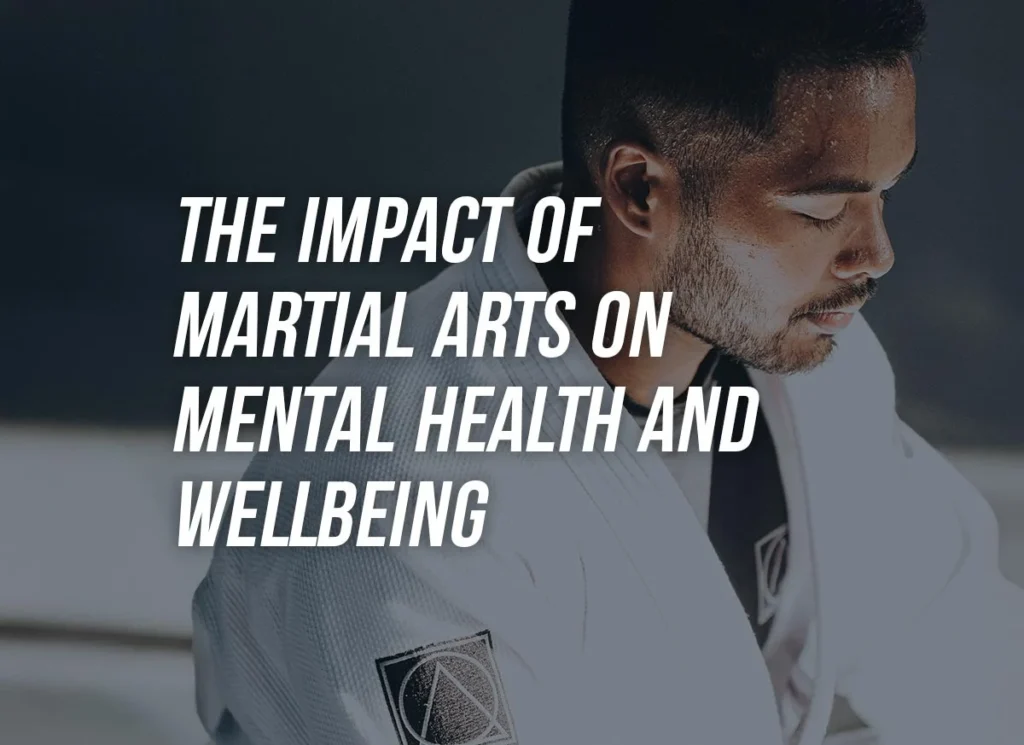
While martial arts have long been celebrated for cultivating physical fitness, formidable self-defense capabilities, and elite combat skills, a growing body of research and decades of anecdotal evidence reveal a much deeper, more profound dimension to the practice. Far beyond the sweat and physical exertion of the training floor, disciplines ranging from high-intensity combat sports like Mixed Martial Arts (MMA) and Muay Thai to highly meditative traditions like Tai Chi and Aikido are increasingly recognized for their transformative impact on mental health and overall psychological wellbeing.
In recent years, the medical and wellness communities have begun to take a closer look at the holistic approach that martial arts offer to human health. Rather than separating the mind from the body, these traditional and modern practices treat them as an interconnected system. As modern society grapples with rising rates of chronic stress, anxiety, and social isolation, practitioners, researchers, and mental health advocates alike are turning to the dojo and the gym as powerful laboratories for emotional healing, stress reduction, and mental resilience.
Stress Reduction and Relaxation
For many individuals walking into a martial arts academy for the first time, the most immediate and striking benefit is a profound sense of stress reduction and mental decompression. Contemporary martial arts practices heavily incorporate controlled breathing techniques, deliberate mindfulness, and intense focus, equipping practitioners with practical tools to manage the pressures of daily life far more effectively. Whether it is executing the crisp, disciplined movements of a traditional Karate kata or surrendering to the slow, meditative flow of a Tai Chi form, these disciplines demand absolute presence. Practitioners are forced to anchor themselves entirely in the immediate moment, creating an effective psychological barrier against external stressors and lingering anxieties.
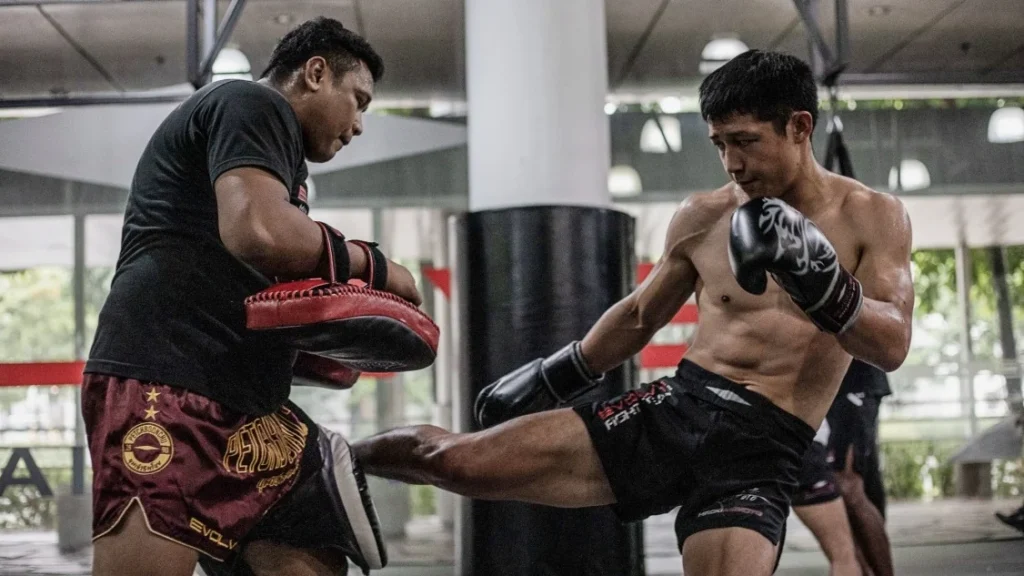
This mental engagement is mirrored by powerful physiological changes. The rigorous physical exertion inherent in martial arts training stimulates the central nervous system to release endorphins—often referred to as the body’s natural feel-good neurotransmitters. These chemicals play a critical role in mitigating stress, elevating mood, and inducing a deep state of physical and mental relaxation once the training session concludes. Furthermore, martial arts provide a uniquely structured, highly regulated outlet for pent-up frustration and aggressive energy. In striking sports such as boxing, kickboxing, and MMA, channeling negative energy into heavy bags, focus mitts, or controlled sparring sessions allows individuals to safely discharge emotional tension within a positive, disciplined environment.
Underpinning much of this psychological relief is a phenomenon well-known to athletes and psychologists alike: the "flow state." The intense, undivided concentration required during complex martial arts maneuvers induces a state of deep mental absorption where practitioners lose all track of time and external pressures. This immersive mental state mirrors the neurological benefits of deep meditation, granting individuals a much-needed reprieve from the relentless cycle of modern anxieties and daily pressures.
Over time, regular engagement in martial arts training has been shown to help regulate baseline levels of cortisol, the body’s primary stress hormone. This hormonal balance yields long-lasting dividends for emotional stability and mental health. For individuals grappling with chronic stress or generalized anxiety disorders, this aspect of martial arts training offers a reliable, sustainable pathway toward peace of mind.
Boosting Confidence and Self-Esteem
Beyond mere relaxation, martial arts serve as a powerful catalyst for personal transformation, fundamentally reshaping an individual’s self-confidence and self-esteem. As practitioners navigate the structured hierarchy of belt ranks, grades, and skill levels, they harvest a deep sense of accomplishment rooted in hard work. Mastering complex techniques, earning new belt promotions, or simply overcoming a physical plateau reinforces a growth mindset—the deeply ingrained belief that dedication, perseverance, and persistent effort yield genuine, measurable improvement.
This developmental environment is particularly impactful for children and adolescents, offering a constructive space to build self-reliance entirely free from the intense, often toxic pressures of traditional team sports. While competitive athletics frequently hinge on external validation, such as winning or losing a game, martial arts place their primary emphasis on internal benchmarks: personal growth, self-discipline, and continuous self-improvement. This inward focus empowers practitioners to establish, pursue, and achieve their own personal milestones, cultivating a robust and enduring sense of self-worth.
In addition to personal achievement, the acquisition of functional self-defense skills introduces a profound layer of personal empowerment. Knowing how to physically protect oneself in volatile or threatening environments instills a deep sense of psychological security and personal agency. This newfound confidence frequently translates into improved daily wellbeing, proving especially restorative for individuals who have navigated past traumas or who struggle with vulnerability in unfamiliar settings.
The journey of martial arts is also fundamentally intertwined with resilience and perseverance. The training floor is, by its very nature, a place where failure is routine. Whether a practitioner is repeatedly swept during sparring, struggles to execute a specific kick, or wrestles with an intricate grappling sequence, setbacks are guaranteed. Over time, students learn to reframe these moments of failure not as indictments of their self-worth, but as essential opportunities for growth. This cultivated mental fortitude inevitably bleeds into professional, academic, and personal spheres, reinforcing an individual’s overarching resilience against life’s unpredictable challenges.
Emotional Regulation and Anger Management
Mastering a martial art requires individuals to maintain absolute composure and emotional regulation under extreme physical and psychological pressure. In high-stakes scenarios such as live sparring or dynamic grappling exchanges, allowing emotions to hijack rational thought invariably leads to tactical errors, compromised positions, or physical injury. Consequently, practitioners are systematically trained to manage volatile emotional states like anger, fear, and panic, learning to replace knee-jerk reactions with calculated, deliberate responses.
Disciplines rooted in grappling, such as Brazilian Jiu-Jitsu (BJJ) and Judo, are particularly effective in this regard. These sports routinely place practitioners in deeply uncomfortable, claustrophobic, and physically dominant positions that would naturally trigger panic or frustration in an untrained individual. Through consistent exposure and guided practice, however, martial artists condition their nervous systems to remain calm under duress, thinking strategically to navigate their way out of difficult scenarios. This mastery over one’s physiological panic response is an invaluable asset both inside the training hall and out in the world.
Furthermore, martial arts offer a healthy, socially constructive mechanism for processing and releasing anger. Rather than suppressing difficult emotions or acting out destructively, individuals are given a sanctioned framework to channel their aggression. Striking heavy bags, drilling combinations with partners, or engaging in spirited sparring matches allows practitioners to purge accumulated frustration safely without causing harm to themselves or others.
By wedding emotional regulation with safe, controlled outlets for physical aggression, martial arts help individuals develop sophisticated coping mechanisms for emotional instability. For those who have historically struggled with anger management, mood dysregulation, or chronic frustration, the structured discipline of the mat provides a reliable therapeutic anchor.
Social Connection and Community Support
While martial arts are frequently perceived as solitary pursuits of physical excellence, they are, in practice, deeply communal activities that thrive on social connection and mutual support. Most traditional dojos and modern combat sports gyms cultivate a palpable sense of camaraderie, uniting practitioners in a shared, often grueling journey toward self-improvement. This potent social fabric acts as a vital bulwark against feelings of isolation, loneliness, and depression, which remain major contributors to modern mental health crises.
Training in a martial arts setting creates a unique environment of shared vulnerability and mutual respect. Whether drilling technical combinations with a rotating partner, pushing through the final minutes of a conditioning circuit, or guiding a novice through their first basic movements, these interactions build authentic bonds of trust. Over time, the gym or dojo frequently transforms into a secondary home, offering a secure, welcoming space where individuals from all walks of life can develop physically and emotionally.
Moreover, the foundational philosophies of nearly all martial arts emphasize core tenets such as respect, humility, and unwavering discipline. These shared values establish an inclusive, egalitarian culture that breaks down social barriers and fosters deep understanding among practitioners of widely varying skill levels and backgrounds. For individuals who battle social anxiety or experience chronic self-doubt, this structured, welcoming environment offers a rare sanctuary where they can feel genuinely accepted and supported by their peers.
Ultimately, the mental health dividends paid by martial arts are inextricably linked to this robust sense of community. Providing practitioners with a dependable network of peers, training partners, and experienced mentors ensures they have a reliable source of encouragement, accountability, and guidance through life’s inevitable ups and downs.
Mind-Body Connection and Mental Clarity
Another foundational pillar of martial arts practice is the cultivation of heightened mind-body awareness and acute mental clarity. Numerous martial disciplines—most notably Tai Chi, Aikido, and traditional Kung Fu—place an extraordinary emphasis on synchronizing deep breathing patterns, physical movement, and razor-sharp mental focus. This integrated framework compels practitioners to bridge the historical gap between their physical actions and their internal mental state.
Deliberate breathing techniques, which serve as the cornerstone of virtually every martial art, exert a profound regulatory influence over the autonomic nervous system. Practices like Tai Chi utilize slow, continuous movements paired with diaphragmatic breathing to actively down-regulate the body’s sympathetic fight-or-flight response. The resulting physiological shift clears away mental fog, mitigates physical tension, and induces a lasting state of inner calm.
Beyond meditative forms, high-paced striking and grappling arts demand an exceptional degree of mindfulness and cognitive engagement. A martial artist cannot afford to let their mind wander while defending against a live opponent or executing a complex sequence of techniques; doing so invites immediate consequences. This absolute requirement for mental presence trains the brain to silence distractions, fostering long-term cognitive sharpness, enhanced concentration, and a tranquil, focused intellect.
By weaving these principles into their daily routines, individuals who practice martial arts often discover a renewed sense of internal equilibrium, harmonizing their physical vitality with mental serenity in a way that yields enduring benefits for psychological wellbeing.
The profound and multifaceted impact of martial arts on mental health extends far beyond the physical transformation of the body. Through targeted stress reduction, cultivated self-confidence, disciplined emotional regulation, deep social connection, and an enhanced mind-body connection, these ancient traditions and modern sports offer a remarkably comprehensive approach to human wellness. Whether the goal is navigating chronic stress, stabilizing erratic emotions, or finding a supportive, inclusive community, martial arts remain an exceptionally powerful vehicle for personal growth and enduring mental resilience.