

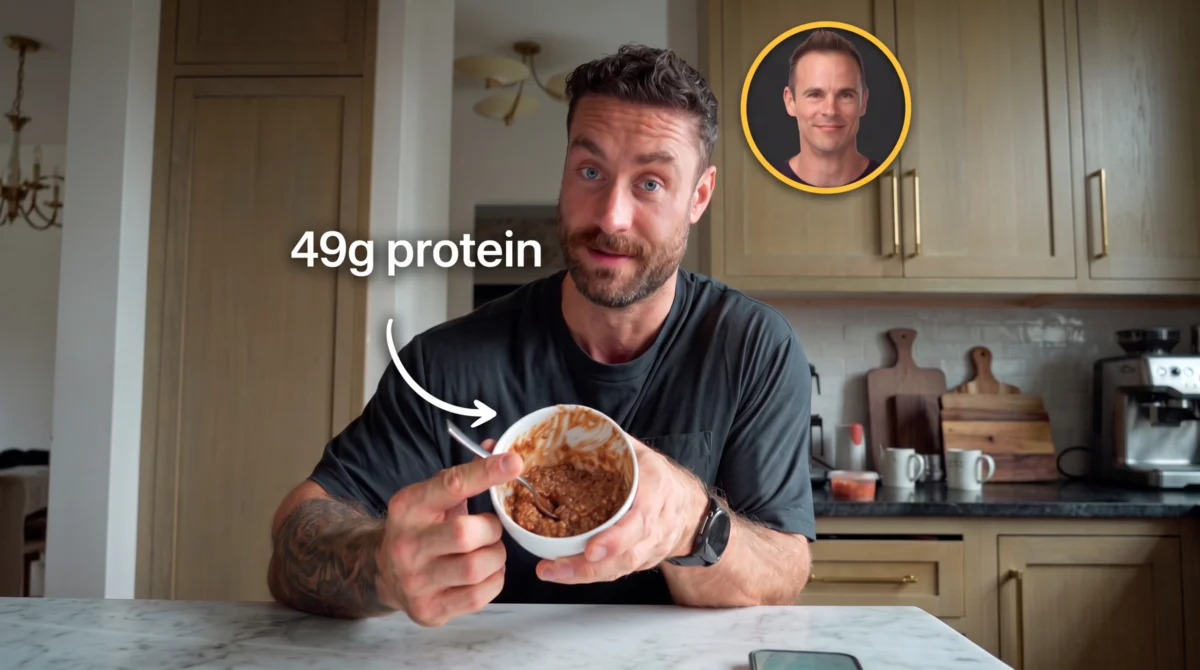
In a recent deep-dive video shared across digital platforms, a four-time Olympia-winning bodybuilder pulled back the curtain on the exact dietary regimen required to forge a stage-ready physique. For those accustomed to modern culinary variety, the breakdown offered a stark reality check. The plates look visually uninspiring, and the daily calorie counts appear even more austere, highlighting the immense physical and mental toll demanded by elite bodybuilding competition.
Yet, embedded within the rigorous routines of extreme contest preparation are several fundamental habits that extend far beyond the realm of professional bodybuilding. These strategies offer practical takeaways for anyone looking to improve their health and fitness, requiring no competitive stage aspirations whatsoever. Intriguingly, one of the most vital components of the champion’s routine has nothing to do with food at all.
Six Small Meals and a Protein Shake
During the peak phases of preparation, the champion’s daily schedule revolved around frequent, small feedings designed to keep his body fueled and composed. Rather than categorizing his first consumption of the day with traditional labels like breakfast, he simply approached it as meal number one in a carefully sequenced day.
Typically, his schedule demanded roughly six distinct meals throughout the day, complemented by a protein shake. As he neared the final, most
grueling weeks of prep, that protein shake would frequently step into a more prominent role. His initial rationale for this high-frequency eating pattern was rooted in the common bodybuilding belief that grazing keeps the metabolism revving up continuously. However, he remained refreshingly candid about the scientific limitations of that particular theory.
While he acknowledged that critics often argue against the metabolic-boost myth of frequent feeding, he maintained that he noticed the efficacy firsthand through his own rigorous experience. Modern sports science suggests that the more defensible physiological payoff of this approach is not an elevated metabolic rate, but rather a steady, consistent protein intake throughout the day. This frequent delivery of amino acids played a critical role in protecting and preserving hard-earned muscle tissue while overall caloric intake remained exceptionally low.
What a Prep Day Actually Looked Like
Examining a typical day of contest preparation reveals a striking uniformity across meals. Almost every single feeding landed within a narrow window of 250 to 360 calories. Protein intake remained consistently high to safeguard lean tissue, dietary fat was kept to a bare minimum, and carbohydrates were strictly rationed according to a precise schedule.
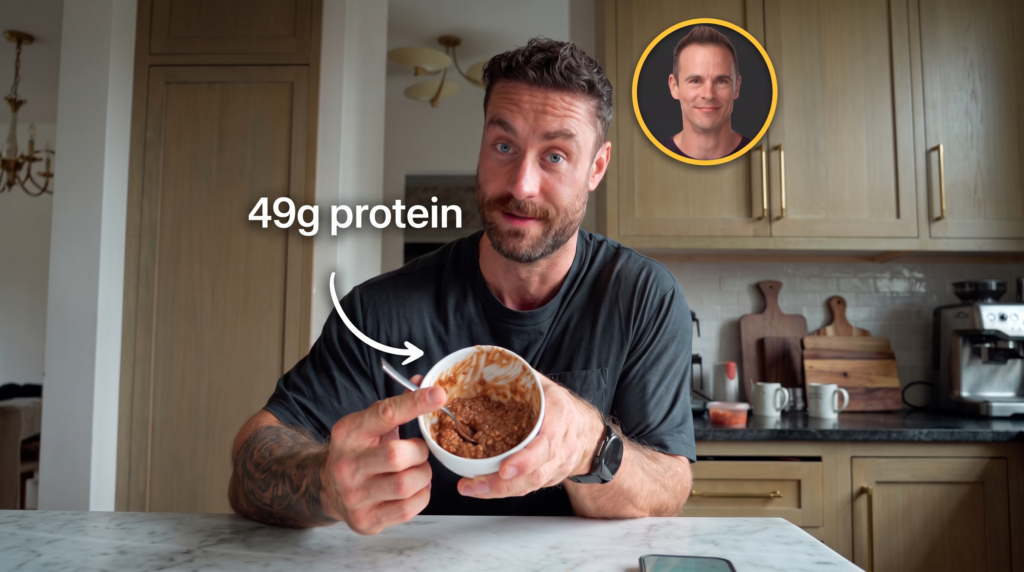
For someone pursuing the extreme conditioning required for a professional bodybuilding stage, the relationship with food undergoes a fundamental shift. Taste becomes entirely relative, and appetite suppression gives way to raw discipline. As the champion candidly noted, the primary objective during a serious cutting phase is to get shredded, not to enjoy your food, noting that genuine hunger eventually serves as its own seasoning.
The Carb-Pulling Method
A central pillar of his contest preparation strategy involved a systematic approach to macronutrient manipulation. While protein remained untouched throughout the final weeks, carbohydrates and fats were progressively adjusted. Specifically, carbohydrates were systematically pulled away one meal at a time.
The champion emphasized the importance of establishing a baseline meal plan that a competitor’s body responds well to, and then following it with absolute precision. By maintaining a predictable routine where the body knows exactly what kind of food is coming and when it will arrive, the individual can simply begin tapering down portions. At the most extreme stages of his prep cycle, his total daily carbohydrate intake hovered near a remarkably low 40 grams, with nearly all of those scarce carbs strategically clustered around his training sessions to sustain workout performance. Meanwhile, evening meals shifted toward alternative nutrient profiles, favoring options such as salmon paired with fibrous vegetables.
Three Tips Worth Stealing
Despite the extreme nature of professional bodybuilding diets, the champion highlighted three foundational principles that he believes anyone can integrate into their daily lives to improve consistency and health outcomes.
1. Protect Your Sleep
Positioned squarely at the top of his list of recommendations was the absolute necessity of high-quality sleep. The champion stressed that poor sleep directly erodes decision-making capabilities, which poses a severe obstacle for anyone attempting to maintain a strict dietary regimen. When a person loses even a single hour of sleep, their discipline tends to tank, a phenomenon he believes is widely underestimated by the general public.
During contest preparation, relentless hunger often disrupted his normal rest patterns. To combat this, he developed specific coping mechanisms, frequently resorting to eating, taking a shower, and then napping in the sunlight to catch up on recovery. For individuals struggling to maintain their nutritional goals because cravings keep winning the mental battle, his primary advice is straightforward: fix your sleep schedule first.
2. Build Systems, Not Willpower
Rather than depending on fleeting moments of motivation, the champion pointed to structured systems as the single most important lever for dietary success. Knowing the exact composition and timing of every single meal removed the burden of daily guesswork and decision fatigue.
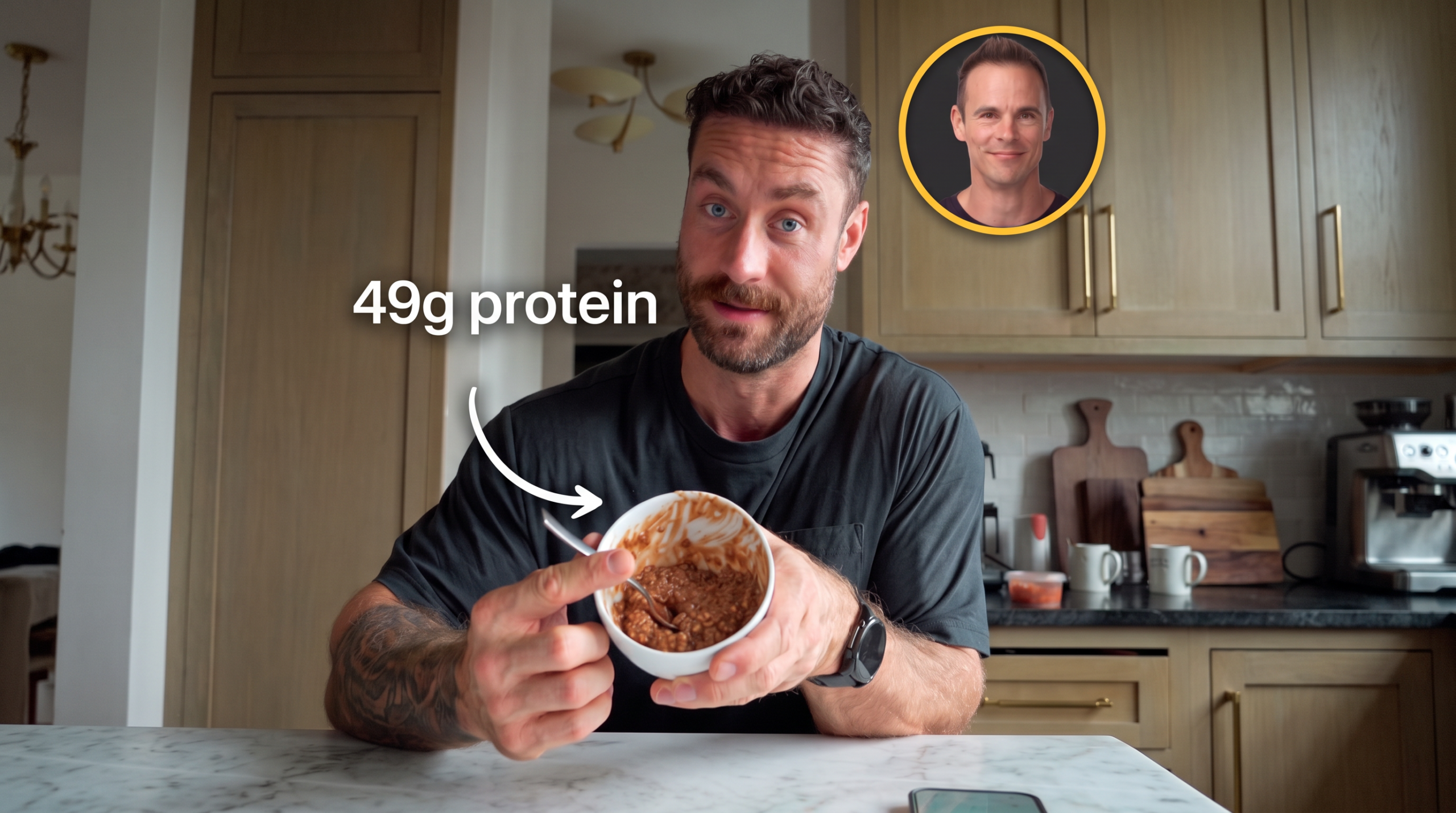
He strongly advised against relying on raw discipline alone, advocating instead for the deliberate construction of systems, routines, and environments designed to naturally foster success. By removing friction from the daily routine, individuals can navigate challenging periods without exhausting their mental reserves.
3. Walk After Every Meal
His final recommendation was borrowed from veteran powerlifter Stan Efferding. The practice involves taking a simple, 10-minute stroll immediately following a meal, effectively replacing sedentary habits like scrolling on a smartphone with light physical movement.
The champion described this habit as a powerful tool for lifestyle management. While broader claims regarding cortisol reduction and accelerated fat burning often exceed what a short, post-meal walk can scientifically deliver, the activity remains entirely free, remarkably simple, and exceptionally sustainable—qualities that hold immense value for long-term health.
Should Anyone Copy This Diet?
When asked whether average individuals should attempt to replicate his historical contest prep diets, the champion offered a clear and realistic answer: both yes and no. Even with his extensive background and four Olympia titles, he noted that he would not follow that specific extreme plan today.
Bodybuilding, he explained, represents the extreme end of the optimization spectrum. Because the goal is to maximize physical conditioning to an absolute limit, the resulting protocols are inherently demanding, monotonous, and extremely low in calories. Consequently, adherence will always beat perfection. A dietary plan that is punishingly difficult to maintain will inevitably lose out to a more moderate, sustainable approach that an individual can actually stick with over the long term. Setting oneself up with an overly restrictive diet, he warned, ultimately amounts to a disservice.
Cheat Meals: Tool or Trap?
Regarding the controversial topic of cheat meals, the champion maintained that the right approach depends entirely on individual psychology. While some people thrive mentally and physically by incorporating a planned, indulgent meal into their weekly routine, others find that a single cheat meal triggers a downward spiral of intense cravings and prolonged overeating. Ultimately, he noted, individuals must understand their own minds and choose the path that protects their psychological stability.
His Everyday Diet Now
Life after stepping away from the competitive stage looks significantly more relaxed for the champion. Roughly 90% of his current everyday nutrition rotates through a handful of reliable, simple staples, leaving plenty of room for occasional snacks and culinary flexibility. Today, flexibility rather than misery dictates his relationship with food, proving that even elite competitors eventually find a sustainable balance once the stage lights are turned off.