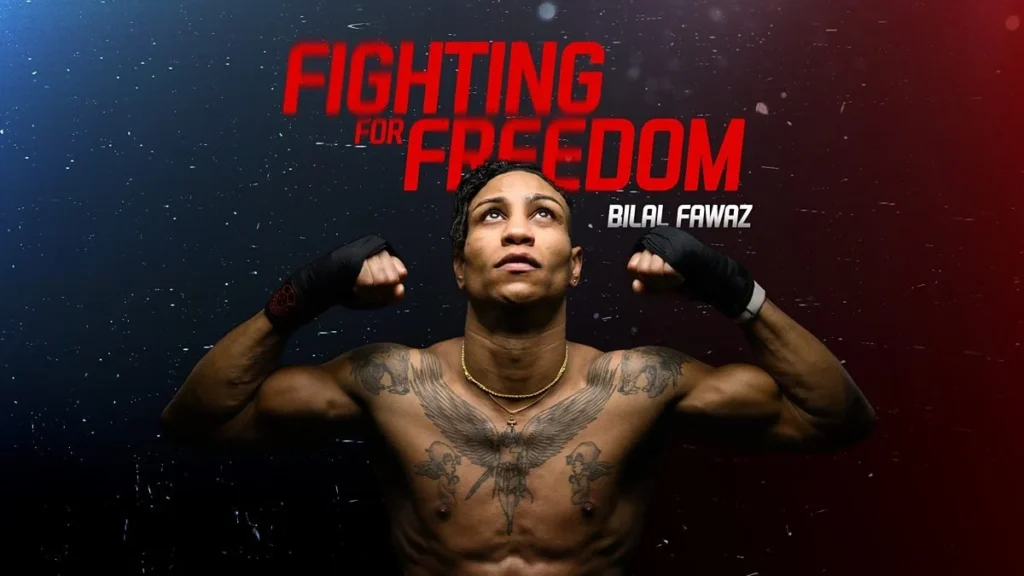

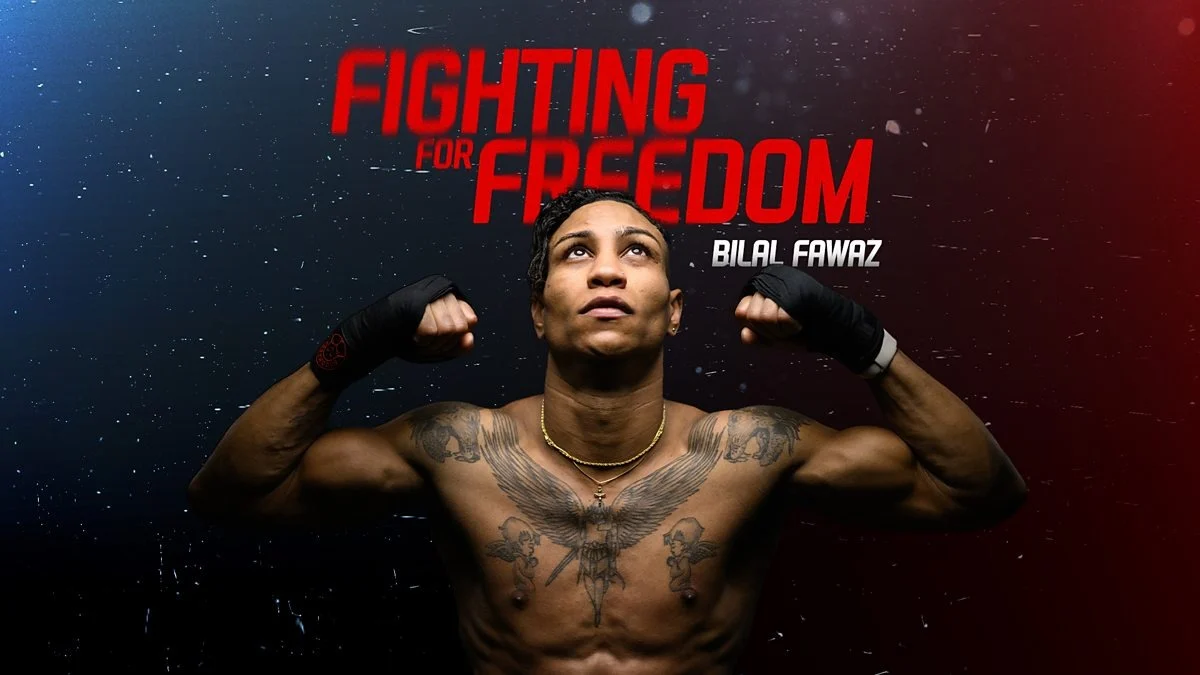
A compelling new broadcasting feature has brought national attention to the extraordinary and deeply complex journey of a British champion boxer who remains without a British passport, despite having lived, trained, and achieved sporting distinction in the United Kingdom for more than twenty years. The documentary highlights a stark disconnect between high-level athletic success and basic legal recognition, sparking widespread discussion regarding the administrative, legal, and personal challenges faced by long-term residents seeking formal citizenship status in Britain.
The broadcast, made available on the BBC iPlayer platform, offers an intimate look into a career defined by intense physical dedication inside the ring and prolonged legal uncertainty outside of it. Given the demanding nature of the subject matter, the program carries an explicit viewer advisory regarding references to physical harm. This advisory reflects both the inherent physical sacrifices of professional combat sports and the profound emotional strain that accompanies decades of legal precarity. To assist individuals who may be impacted by the sensitive themes explored throughout the piece, viewers are directed to advice and support services accessible through the BBC Action Line. The production also features comprehensive accessibility options, including Audio Described and British Sign Language versions, ensuring the story is available to a diverse national audience.
For elite athletes, securing a national championship represents the pinnacle of domestic achievement. Earning the status of a British champion requires years of relentless physical conditioning, rigorous sparring, emotional resilience, and an unyielding commitment to competing under the banner of the nation’s sporting heritage. However, the featured athlete’s ongoing situation underscores an extraordinary paradox: while celebrated nationally as a champion inside the squared circle, the fighter remains legally unverified as a citizen by the state. This unresolved status leaves the athlete in an precarious position where public acclaim and sporting contributions contrast sharply with a lack of formal constitutional rights and travel documentation.
The absence of a British passport presents immediate and severe practical obstacles to a professional boxer’s career progression. In contemporary professional boxing, advancing to the highest levels often necessitates international travel for high-profile multi-national tournaments, training camps in specialized overseas facilities, and world title bouts hosted across Europe, North America, and beyond. Without a valid passport, crossing international borders becomes fraught with complex legal risks or rendered entirely impossible. Leaving the country without guaranteed re-entry rights poses the constant threat of being stranded abroad, effectively trapping the athlete’s active career within domestic boundaries and severely capping professional development, international rankings, and earning potential.
The champion’s ongoing plight illuminates broader systemic issues embedded within the United Kingdom’s legal frameworks governing long-term residency, settlement, and naturalization. For individuals who have spent over two decades building their lives, establishing community ties, and contributing to society within the country, navigating the legal requirements for British citizenship can be an overwhelmingly arduous process. Complex documentation demands, shifting regulatory frameworks, administrative backlogs, and substantial financial costs frequently combine to create severe delays. As a result, long-term residents who consider Britain their sole home can find themselves marooned in prolonged administrative gridlock, unable to obtain the security of a British passport.
The inclusion of viewer advisories regarding physical harm highlights the dual burden carried by combat sports professionals living without settled legal status. Professional boxing is fundamentally a discipline of extreme physical vulnerability, where competitors routinely risk serious injury in pursuit of athletic achievement and livelihood. When the intense bodily toll of the sport is compounded by the chronic psychological anxiety of living without official identity documents for more than twenty years, the cumulative toll on an individual’s health and well-being can be severe. The documentary underscores how bureaucratic uncertainty impacts an athlete’s mental health, demonstrating that the psychological battles fought off the canvas can often prove as challenging as the physical contests fought under the lights.
By bringing this narrative to a national platform, the broadcast raises vital questions about how modern society values its sporting figures and long-term community members. The provision of support resources through dedicated outlets like the BBC Action Line reflects an understanding that stories involving institutional barriers, personal distress, and legal struggles can resonate deeply with members of the public who face similar hardships. Ensuring wide accessibility through signed and audio-described formats further allows these important conversations regarding civic identity, sportsmanship, and administrative fairness to reach all segments of the public.
At the core of the athlete’s story is the fundamental issue of belonging and identity. Having resided in the United Kingdom for more than twenty years, the country represents the place where the fighter’s craft was mastered, where personal networks were established, and where national sporting honors were won. The delay or inability to secure a British passport challenges traditional assumptions about athletic integration, in which successful sports stars are routinely embraced as national representatives. The case raises profound questions about what truly defines national identity, and whether decades of residency and exceptional contribution to British sporting culture should provide a clearer, more predictable path to full citizenship.
In the United Kingdom, professional boxing operates under strict regulatory oversight, with governing bodies requiring detailed documentation, legal clarity, and medical clearances for licensed competitors. Maintaining championship status while navigating lingering citizenship issues creates a uniquely complex operational environment for an athlete. Competitors must continually verify their legal standing to work and compete, adding a continuous layer of administrative management to an already intense training schedule. The lack of passport documentation leaves an elite career in a fragile balance, vulnerable to sudden changes in administrative policy or legal interpretation.
The documentary provides a detailed examination of personal endurance set against the backdrop of complex institutional processes. As a British champion who has devoted over two decades to living and competing in the country, the boxer’s ongoing effort to secure official recognition highlights the urgent need for clarity, responsiveness, and fairness within immigration and naturalization procedures. The narrative leaves a lasting impression, challenging standard perceptions of national identity and illustrating the quiet resilience required to pursue excellence amidst profound legal uncertainty.