


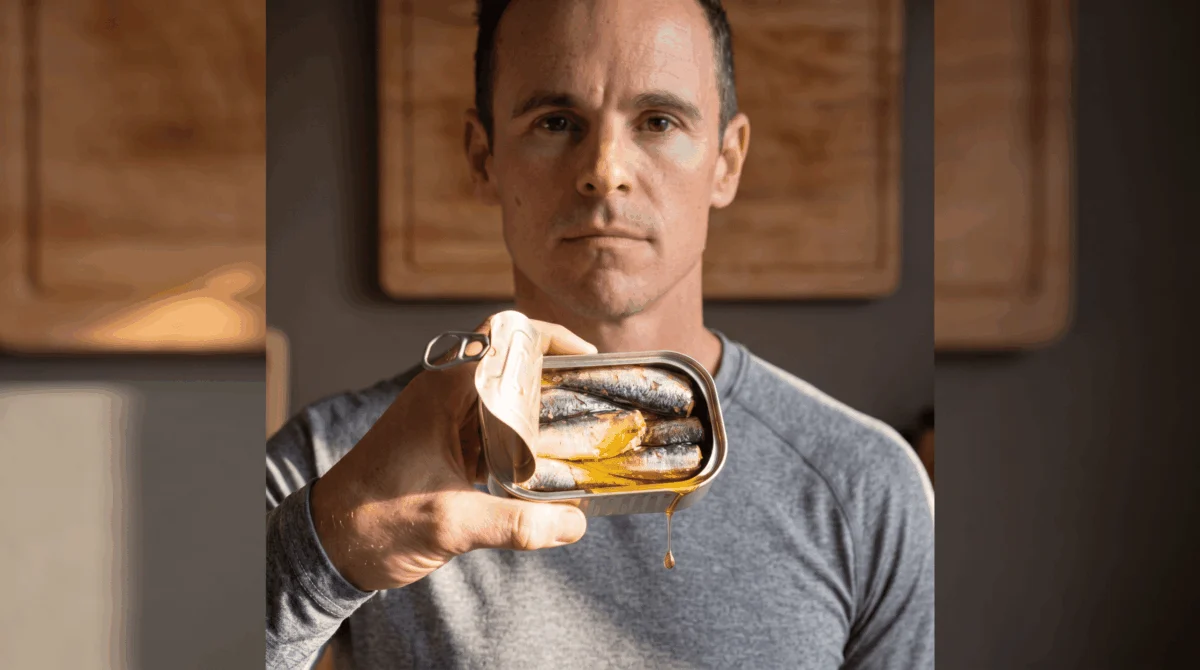
Tiny tinned fish are currently having a remarkably large moment in the culinary and wellness spotlight. In a recent Verywell Health article examining the viral social media trend known as “sardinemaxxing,” researchers and nutritionists spotlighted sardines as a budget-friendly pantry staple that boasts surprisingly strong scientific backing. Far from being merely a nostalgic relic of wartime rationing or a niche ingredient for adventurous foodies, these small silver fish are drawing serious academic attention for their potential metabolic and cardiovascular benefits.
At the heart of this growing interest is a notable clinical trial suggesting that incorporating a modest amount of sardines into a weekly diet can dramatically shift diabetes risk markers in older adults who are already grappling with prediabetes. As consumers increasingly look for accessible ways to improve their long-term health without breaking the bank on expensive designer supplements, the humble tin of sardines is stepping up as a serious contender. The central question resonating through nutritional science right now is simple: can a humble, inexpensive tin of fish really rival your high-priced fish oil capsules? To answer that, it is worth examining what the current body of evidence actually shows, alongside an important methodological catch worth knowing.
The Prediabetes Numbers That Turned Heads
The conversation around sardines and metabolic health received a major boost from a 2021 clinical trial conducted by Dr. Diana Díaz-Rizzolo and her colleagues, which was published in the journal Clinical Nutrition. The research team followed a cohort of 152 older adults, all aged 65 and older, who had been diagnosed with prediabetes. Over the course of a full year, the participants were monitored to see how dietary interventions might alter their disease trajectory.
Participants assigned to the sardine intervention group were instructed to incorporate roughly 200 grams of sardines into their weekly diets. In practical culinary terms, this equates to about two standard 100-gram tins per week. The results of the year-long trial turned heads across the medical community. At the outset of the study, participants across the board faced a significant statistical risk of progressing from prediabetes to full-blown type 2 diabetes. By the end of the 12-month monitoring period, the data revealed a staggering divergence. Among those who maintained the regular sardine habit, the proportion of individuals classified as being at high risk for developing type 2 diabetes plummeted from 37% down to just 8%. That statistical gap is strikingly wide, especially when considering that sardines are typically sold on supermarket shelves right next to canned tomatoes and inexpensive beans, making them accessible to virtually any household budget.
However, researchers and medical professionals urge a degree of caution when interpreting these eye-opening figures. The study was conducted as an open-label trial. This means that every participant was fully aware of whether they were assigned to the sardine-eating group or the control group. In nutritional and behavioral research, knowing one’s dietary assignment can subtly nudge daily habits. For instance, individuals consciously eating what they perceive as a uniquely health-promoting food may simultaneously be inspired to engage in more physical activity, drink more water, or clean up other aspects of their overall diet. Consequently, experts view these findings as highly promising rather than absolute and final, emphasizing that larger, blinded clinical trials will be necessary to definitively confirm the isolated effect of the sardines.
Why Whole Fish May Beat the Capsule
For decades, millions of consumers seeking heart and brain health have turned to fish oil supplements, swallowing daily gel capsules packed with omega-3 fatty acids. Yet, large-scale randomized clinical trials investigating fish oil supplements—notably prominent studies such as ASCEND, VITAL, and STRENGTH—have delivered mixed and sometimes underwhelming cardiovascular results. This discrepancy has left researchers puzzled as to why consuming actual fish often yields better health outcomes than taking isolated extracts in pill form.
An increasing number of nutrition scientists point to what is known as the "food matrix effect." This concept suggests that essential nutrients do not act in a vacuum; when they are consumed together as part of a whole food, they may interact, enhance absorption, and provide biochemical synergy in ways that isolated pills simply cannot replicate.
A 2023 review authored by Santos, May, and Bueno, published in Frontiers in Nutrition, specifically investigated this hypothesis regarding sardines. The authors made a compelling case that whole sardines may offer broader, more comprehensive cardiovascular benefits than fish oil supplements alone. It is important to note the careful wording used by the scientific community here. This review argues a compelling hypothesis built upon the foundation of nutrient synergy; it does not represent a definitive, head-to-head clinical trial that officially crowns sardines the absolute winner over supplements. Nevertheless, it provides a robust biological rationale for choosing the whole food over the processed extract.
What Is Packed Inside One Tin
While standard omega-3 capsules deliver isolated fatty acids—primarily EPA and DHA—a single tin of sardines delivers an entire, complex lineup of foundational nutrients that the human body requires for optimal daily function.
Beyond their rich concentration of marine omega-3 fatty acids, which are celebrated for their ability to help lower systemic inflammation and support endothelial function, sardines are an exceptional source of high-quality, complete protein. Furthermore, because sardines are typically consumed whole—including their tiny, soft, edible bones—they provide a remarkably bioavailable source of calcium. This unique culinary characteristic makes them an unexpected powerhouse for mineral intake.
In addition to calcium and protein, sardines are naturally packed with vitamin D, a fat-soluble vitamin that works hand-in-hand with calcium to maintain structural integrity in the skeleton and plays a vital role in immune regulation. They are also an outstanding source of vitamin B12, an essential nutrient required for proper neurological function, red blood cell formation, and DNA synthesis, as well as selenium, a potent trace mineral that acts as an antioxidant within the body.
This dense nutritional profile has also drawn the attention of researchers studying long-term skeletal health. Observational research highlighted by publications like Eating Well has pointed to a compelling correlation: individuals who report eating sardines at least once a week exhibit up to a 33% lower risk of suffering hip fractures as they age. Epidemiologists frequently remind the public that observational data demonstrates association rather than definitive proof of direct cause and effect. Even so, when looking at the rich, bone-supporting nutrient profile packed into every tin, the biological plausibility of this protective link becomes very difficult to dismiss.
Low Mercury, Low Footprint
One of the longstanding anxieties surrounding regular seafood consumption is the accumulation of heavy metals, particularly mercury, alongside environmental toxins like polychlorinated biphenyls (PCBs). Larger, long-lived predatory fish that sit near the absolute apex of the marine food chain—such as swordfish, shark, king mackerel, and large species of tuna—accumulate significant concentrations of these contaminants over their lifespans through a process known as biomagnification.
Sardines, by contrast, occupy a very different ecological niche. Sitting extremely low on the marine food chain, sardines subsist primarily on plankton rather than consuming smaller contaminated fish. As a result, they accumulate vanishingly small amounts of mercury and other environmental toxins.
Recognizing this safety profile, the U.S. Food and Drug Administration (FDA) classifies sardines as a "Best Choice" seafood option. This designation means that consumers can safely incorporate them into their regular diets on a frequent basis without worrying about heavy metal toxicity, making them an ideal protein source for vulnerable populations, including pregnant women, nursing mothers, and older adults. Furthermore, for sustainability-minded shoppers concerned about the health of global oceans, many commercial sardine fisheries adhere to strict environmental standards. Shoppers can easily find Marine Stewardship Council (MSC)-certified options lining grocery store aisles, and these sustainably caught varieties typically remain far more affordable than other premium animal proteins on the market.
Why This Matters for Prediabetes
The public health implications of these findings are substantial. According to data from the Centers for Disease Control and Prevention (CDC), approximately 96 million American adults—translating to roughly one in every three people—currently live with prediabetes. Compounding the issue, the vast majority of these individuals remain entirely unaware that their blood sugar regulation is gradually slipping out of optimal ranges.
Health authorities stress that anyone actively managing blood sugar levels, insulin resistance, or cardiovascular risk factors should view sardines as a delicious, nutrient-dense dietary addition rather than a miracle cure or a replacement for prescribed medications and professional medical advice. Patients are always encouraged to consult with a qualified physician or a registered dietitian before making sweeping changes to their nutritional regimens.
Ultimately, sardines offer an affordable, nutrient-dense, and environmentally clean food option supported by early clinical evidence pointing toward meaningful metabolic advantages. While the definitive confirmation of whether they consistently outperform fish oil supplements still awaits larger, blinded clinical trials, adding a couple of tins to the weekly grocery cart remains an exceptionally easy, low-risk dietary experiment for anyone looking to support their long-term health.