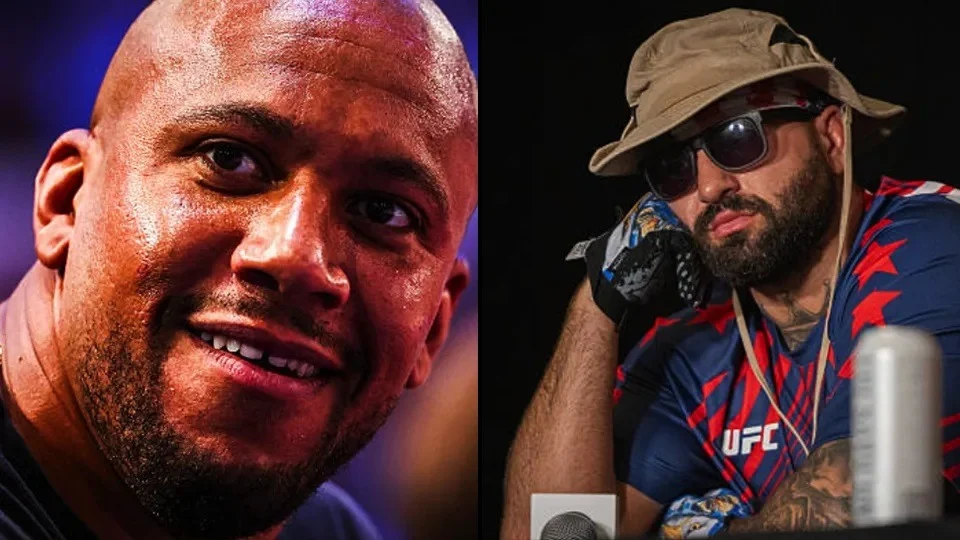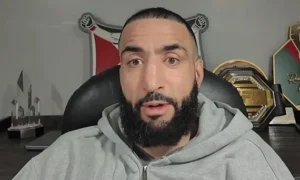
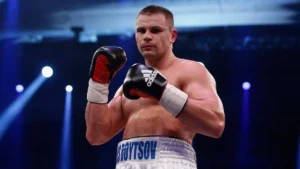

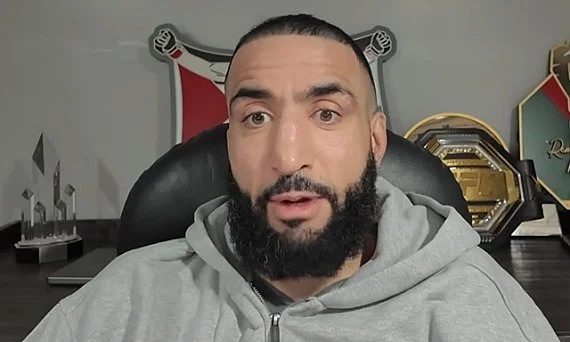
The intersection of mixed martial arts and modern social media culture has once again sparked a broader conversation about digital ethics, human decency, and the pursuit of viral attention. Recently, welterweight standout Belal Muhammad felt compelled to publicly address controversial and insensitive remarks made by heavyweight veteran Andrei Arlovski concerning the tragic passing of former elite contender Anthony "Rumble" Johnson.
The controversy began when Arlovski, during a recent interview, reflected on his past athletic career, specifically touching upon his 2013 bout against Johnson under the World Series of Fighting (WSOF) banner. In that encounter, Arlovski suffered a defeat via a definitive unanimous decision. However, in his recent recounting of the event, the Belarusian veteran not only disputed the official outcome by claiming he believed he actually won the fight, but he also made a deeply insensitive remark regarding the passage of time and mortality, stating that he ultimately won anyway because he is still alive while Johnson has passed away.
Anthony "Rumble" Johnson, widely regarded as one of the most devastating knockout artists in the history of the sport, tragically passed away in November 2022 at the age of 38 after a courageous battle with illness. His death sent shockwaves through the global combat sports community, drawing an outpouring of grief, respect, and remembrance from fighters, promoters, and fans alike who remembered him as a formidable competitor inside the cage and a gentle giant outside of it. Given the high regard in which Johnson was held by his peers, Arlovski’s remarks drew immediate and severe backlash from across the MMA landscape.
Although Arlovski has since issued an apology in an attempt to walk back his controversial statements, the damage to public sentiment was already done. For many athletes and observers, the incident highlighted a disturbing shift in how public figures interact with the media and their digital audiences. Chief among those speaking out was Belal Muhammad, who views Arlovski’s misstep not merely as an isolated gaffe by a single fighter, but rather as a glaring symptom of a much larger, systemic cultural rot infecting contemporary society.
Why Belal Muhammad Took Issue with Andrei Arlovski’s Anthony Johnson Comments
Taking to social media to articulate his frustrations, Muhammad argued that the incident reflects the harsh realities of the modern world, where the boundaries of basic empathy are continually pushed aside in the relentless quest for online visibility. According to Muhammad, the pressure to maintain relevance and capture public attention has driven individuals to abandon fundamental human decency. He suggested that people are increasingly willing to sacrifice their humanity and the dignity of others simply to generate reactions, drive engagement, and secure a moment in the digital spotlight.
Expanding on his thoughts in a strongly worded statement published on the social media platform X, Muhammad pointed out that this troubling phenomenon extends far beyond the confines of the mixed martial arts industry. He observed that society at large has entered an era where individuals no longer feel the need to conceal their callous or harmful thoughts behind the safety of anonymity.
"It’s not just MMA," Muhammad wrote on X. "It’s the world that’s rotting. There was a time when people hid behind fake accounts to say the stupid things they were too ashamed to say publicly. Now the masks are off. The side of people they used to keep hidden behind closed doors is out now. We live in a world where people are so desperate for a viral moment that they don’t care whether the attention is good or bad. Respect, decency, and basic humanity are being sacrificed for clicks and views… the saddest thing is people are starting to think this is normal."
Muhammad’s commentary resonates with a growing sentiment among professional athletes who find themselves navigating an era dominated by algorithmic incentives. In a media landscape where inflammatory remarks, controversy, and provocative soundbites often yield the highest digital return in terms of traffic and reach, the temptation to court notoriety can sometimes overshadow common courtesy. By calling out the incident publicly, Muhammad aimed to draw a firm line regarding what should be considered acceptable discourse, particularly when discussing athletes who are no longer here to defend themselves.
The remarks by Arlovski and the subsequent reaction from fighters like Muhammad serve as a stark reminder of the enduring tensions within the combat sports world. As athletes continue to grapple with the pressures of maintaining a public profile in a hyper-connected digital age, the community remains sensitive to how the legacies of its fallen competitors are treated. While Arlovski’s apology represents an effort to mend the situation, the episode has left an indelible mark, prompting prominent voices in the sport to demand a higher standard of respect, empathy, and decorum from veterans and newcomers alike.