



The humble tin of sardines is having a very remarkable moment. Across social media platforms and wellness spaces alike, the practice of cracking open small metal cans of fish for health optimization has officially gone viral, recently drawing attention from health publications like Verywell Health for a trend dubbed “sardinesmaxxing.” But unlike the vast majority of fleeting food fads that flood the internet on a weekly basis, this particular nutritional trend brings with it a surprising foundation of peer-reviewed clinical research.
Recent clinical trials have begun to look closely at what happens when older adults incorporate these small fish into their regular diets. One notable clinical trial found that consuming roughly two tins of sardines weekly dramatically shifted diabetes risk markers in older adults with prediabetes, yielding results that have prompted both nutritionists and everyday consumers to take a fresh look at the aisle of canned seafood. This has raised a compelling question for researchers and consumers alike: could an affordable, shelf-stable pantry staple truly rival or outperform specialized omega-3 dietary supplements?
The Prediabetes Trial Behind the Buzz
To understand where the current enthusiasm originates, it is necessary to look back at a clinical trial published in the journal Clinical Nutrition in 2021. Researchers led by Dr. Diana Díaz-Rizzolo and her colleagues set out to observe the effects of regular sardine consumption on a cohort of 152 older adults over the age of 65 who had been diagnosed with prediabetes. The participants were followed over the course of an entire year to monitor how a simple dietary modification could influence their metabolic health.
During the year-long study, participants in the sardine intervention group were asked to incorporate approximately 200 grams of sardines into their weekly diets, which translates directly to two standard 100-gram tins. As the study progressed, the researchers tracked various biomarkers associated with metabolic syndrome, insulin resistance, and overall cardiovascular health. The divergence in outcomes between the participants who consumed the sardines and those who did not was striking, revealing a substantial shift in the proportion of individuals classified as being at high risk for developing type 2 diabetes over the monitored timeframe.
Yet, researchers and medical professionals emphasize that before consumers rush out to stock a year’s supply of canned fish in their pantries, it is important to examine the study’s design with a discerning eye. The trial conducted by Díaz-Rizzolo and her team was open-label. This means that the participants were fully aware of which study group they belonged to, a factor that can sometimes introduce behavioral biases or influence other lifestyle habits throughout the duration of a trial. Furthermore, the primary outcome measured in the study was a shift in risk category rather than a definitive, confirmed diagnosis of disease progression or reversal. While the findings are undeniably encouraging, experts note that larger, blinded replication studies will be necessary to strengthen scientific confidence and establish definitive cause-and-effect relationships.
Sardines vs. Fish Oil: The Food Matrix Argument
The growing interest in whole sardines also intersects with ongoing scientific debates regarding the efficacy of isolated nutritional supplements. Over recent years, large-scale randomized controlled trials examining the cardiovascular benefits of isolated fish oil capsules—such as the well-known ASCEND, VITAL, and STRENGTH trials—have delivered mixed or sometimes underwhelming results. These mixed outcomes prompted researchers to begin questioning whether popping a single-ingredient omega-3 capsule misses out on the complex synergy that comes from eating whole fish.
This line of inquiry has brought widespread attention to what nutrition scientists refer to as the "food matrix effect." The fundamental concept behind this theory is that the various nutrients contained within a whole food arrive together in a complex biological package, interacting with one another in ways that a manufactured, isolated capsule simply cannot replicate.
A comprehensive 2023 review authored by Santos, May, and Bueno, published in Frontiers in Nutrition, formalized this specific argument as it applies to sardines. The authors concluded that consuming whole sardines may deliver broader and more robust cardiovascular benefits than taking fish oil supplements alone. However, researchers are careful to contextualize these findings. This conclusion is primarily built upon a detailed analysis of the nutrient composition of sardines and existing observational evidence, rather than a direct, head-to-head clinical showdown between canned fish and fish oil pills. Consequently, the idea that sardines "may outperform" isolated supplements remains a very promising and biologically plausible hypothesis rather than an absolute settled fact.
What One Tin Actually Delivers
When consumers opt for fish oil capsules, they are typically receiving a concentrated dose of EPA and DHA omega-3 fatty acids. By contrast, opening a tin of whole sardines provides those same essential fatty acids packaged alongside a rich and diverse supporting cast of macro- and micronutrients.
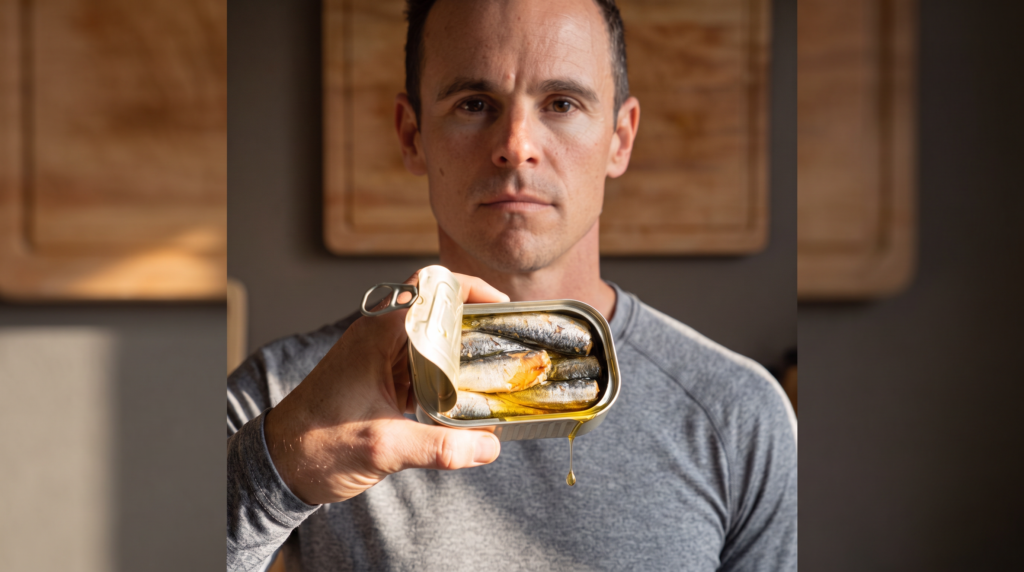
Because traditional canned sardines are typically eaten whole—including their tiny, soft, and edible bones—they serve as an exceptional source of dietary calcium. In addition to calcium, a single tin delivers a notable amount of vitamin D, a nutrient that works in tandem with calcium to support skeletal integrity and metabolic function. Furthermore, sardines are a powerhouse of high-quality protein, selenium, vitamin B12, and iron, providing a dense concentration of vital nutrients with a relatively modest caloric footprint.
This nutrient profile has also drawn the interest of researchers studying bone density and degenerative conditions. Observational research cited by health publications like Eating Well has pointed to potential correlations between the regular consumption of sardines—defined as eating them at least once a week—and a reduced risk of hip fractures among older populations, with some data suggesting a risk reduction of approximately one-third. While observational data inherently possesses limitations and cannot definitively prove direct cause and effect, these findings align logically with the rich calcium and vitamin D profile naturally found within the fish.
Safe, Cheap, and Planet-Friendly
Beyond their nutritional attributes, sardines offer practical advantages that appeal to modern consumers concerned with both personal safety and environmental sustainability. Because sardines occupy a position relatively low on the marine food chain, they feed primarily on plankton rather than smaller predatory fish. As a result, they accumulate significantly lower levels of heavy metals, such as mercury, and environmental toxins like PCBs compared to large apex predators such as tuna, shark, or swordfish.
Due to this low accumulation of contaminants, regulatory bodies like the U.S. Food and Drug Administration classify sardines as a "Best Choice" seafood option. This designation means they are deemed safe for frequent consumption by the general public, including populations that must often exercise caution regarding seafood intake, such as pregnant women and older adults.
From an environmental perspective, small pelagic fish like sardines represent a more sustainable choice than many other animal proteins. Their populations reproduce rapidly, and the market features a wide availability of options certified by the Marine Stewardship Council. Furthermore, compared to premium cuts of beef, poultry, or fresh seafood, canned sardines remain a remarkably budget-friendly protein source, making nutrient-dense eating accessible to a wider demographic of shoppers.
Why This Matters Right Now
The renewed focus on sardines arrives at a critical juncture for public health. According to estimates from the Centers for Disease Control and Prevention, approximately 96 million American adults—translating to roughly one in every three individuals—are currently living with prediabetes. More concerning still is the reality that the vast majority of people affected by prediabetes remain entirely unaware of their condition, going about their daily lives without knowing they are at elevated risk for developing full-scale type 2 diabetes and related cardiovascular complications.
For the millions of individuals navigating or at risk for these metabolic conditions, the emergence of an inexpensive, shelf-stable food item backed by emerging clinical support represents a welcome development. Nutrition experts emphasize that while the supporting research is promising, the keyword remains emerging.
For individuals managing prediabetes or existing heart disease risks, medical professionals advise treating sardines as a smart, complementary addition to an overarching health and lifestyle plan rather than a standalone medical intervention or a replacement for prescribed treatments. Consulting with a physician or a registered dietitian remains the most effective way to determine how dietary additions can safely support an individual’s personal health goals.