


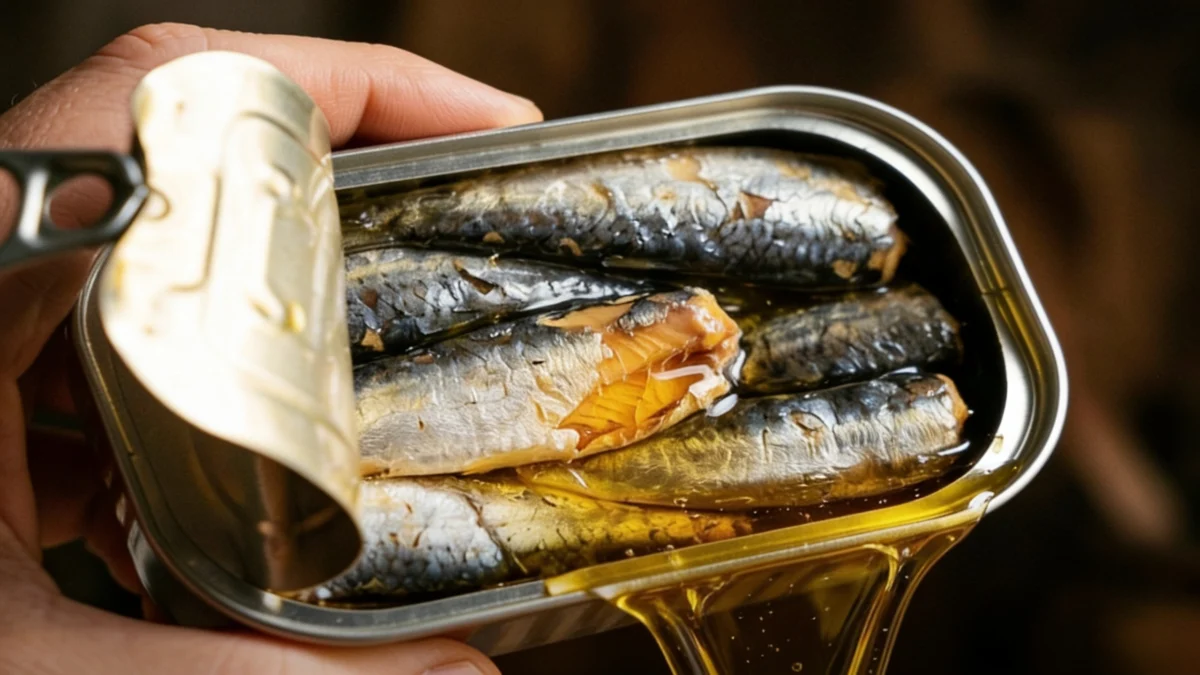
For decades, the humble tin of sardines has languished in the back of the pantry, often overlooked in favor of fresher, trendier proteins. But in an era where social media trends frequently blur the line between wellness fad and legitimate science, a new phenomenon known as "sardinemaxxing" has thrust the small, canned fish back into the spotlight. Recently highlighted by health publications like Verywell Health, the trend has seen wellness enthusiasts and casual eaters alike cracking open tins in pursuit of optimized health. Behind the viral memes and TikTok videos, however, sits genuine clinical data that is prompting nutritionists and medical researchers to take a second look at what this small fish can do for the human body.
The core question capturing the attention of both the internet and the scientific community is whether consuming two cheap tins of sardines per week could genuinely rival or even surpass the benefits offered by expensive bottles of fish oil capsules. While social media captions often lean toward hyperbole, the underlying research points to a compelling narrative about whole foods, metabolic health, and the complex chemistry of marine nutrition. As public health officials grapple with rising rates of chronic metabolic diseases, researchers are increasingly turning their attention toward accessible, food-first interventions that everyday people can actually afford and sustain.
The Prediabetes Trial Behind the Buzz
To understand why sardines have captured the scientific imagination, one must look back at a pivotal 2021 study conducted by researcher Diana Díaz-Rizzolo and her colleagues, published in the journal Clinical Nutrition. The clinical trial followed 152 older adults over the age of 65 who had been diagnosed with prediabetes. Over the course of a year, the participants were divided to observe the effects of specific dietary interventions. Those placed in the sardine group were instructed to incorporate roughly 200 grams of sardines weekly into their diets, an amount that translates to about two standard 100-gram tins.
The results of the year-long intervention were striking. Most notably, the participants who regularly consumed the sardines experienced a dramatic shift in their risk profile for type 2 diabetes. According to the study’s data, the proportion of participants categorized as being at high risk for developing type 2 diabetes dropped precipitously from 37% down to just 8% over the course of the twelve-month period. For a nutritional intervention involving a common, inexpensive grocery store item, a shift of that magnitude is exceptionally rare and has drawn considerable interest from endocrinologists and preventative health specialists.
Despite the enthusiasm surrounding these findings, researchers emphasize the need for careful interpretation. The trial was designed as an open-label study, meaning that the volunteers were fully aware of which dietary group they belonged to. This lack of blinding introduces the possibility of conscious or unconscious behavioral changes; participants who knew they were eating a specific health-promoting food might have concurrently altered their physical activity, overall caloric intake, or other lifestyle habits. Consequently, while the correlation is robust and encouraging, larger, blinded replication studies will be required to definitively isolate the effects of the sardines from other lifestyle variables.
Whole Fish Versus Capsules: The Food Matrix Argument
For years, the medical establishment looked to concentrated fish oil supplements as a primary dietary shortcut for obtaining omega-3 fatty acids. However, large-scale randomized controlled trials examining cardiovascular outcomes, including major studies known as ASCEND, VITAL, and STRENGTH, ultimately delivered mixed and often underwhelming results regarding the prevention of heart disease. These ambiguities prompted researchers to reexamine a fundamental question: do isolated omega-3 supplements miss crucial synergistic elements that are naturally supplied by real, whole food?
A 2023 review article authored by Santos, May, and Bueno in the journal Frontiers in Nutrition tackled this exact question, making a strong theoretical case for whole sardines over refined supplements. Their arguments center on what nutrition scientists call the "food matrix effect." This concept posits that the myriad nutrients packed inside a whole food arrive together in a complex biological package, allowing them to be absorbed, metabolized, and utilized far more effectively by the human body than any single extracted compound delivered via a gelatin capsule.
Nevertheless, researchers are quick to temper expectations. The 2023 review offered a well-reasoned argument based on existing biochemical principles rather than executing a direct, head-to-head clinical trial pitting sardines against fish oil capsules. Therefore, declaring sardines definitively "better than fish oil" remains a promising and scientifically grounded hypothesis rather than an absolute, settled fact.
What is indisputable, however, is the sheer density of micronutrients packed into a single tin. When an individual consumes a standard serving of sardines—particularly varieties eaten with their edible soft bones intact—they ingest a remarkable array of essential nutrients. A single tin delivers a substantial dose of marine-derived omega-3 fatty acids, high-quality complete protein, vitamin B12, selenium, and significant amounts of calcium and vitamin D. Few dietary supplements or processed health products can pack such a diverse nutritional variety into a single, inexpensive, and shelf-stable serving.

A Possible Bonus for Aging Bones
Beyond metabolic health and fatty acid profiles, emerging research suggests that regular sardine consumption may offer protective benefits for the skeletal system, particularly among older adults. Observational research highlighted by wellness publications like Eating Well has pointed to a correlation between eating sardines at least once a week and a notably lower incidence of hip fractures. Specifically, population-based observations have indicated up to a third lower risk among regular consumers of small pelagic fish.
Scientists note that while these observational findings are encouraging, they demonstrate statistical association rather than direct proof of cause and effect. It is entirely possible that individuals who regularly eat canned sardines share other health-conscious behaviors that protect their bone density. Even so, the biological plausibility remains exceptionally high. Because canned sardines are typically consumed with their soft, edible spines intact, they provide a natural, highly bioavailable source of calcium and phosphorus, working alongside the vitamin D content to support long-term skeletal integrity as the human body ages.
Low Mercury, Low Cost, Low on the Food Chain
In an era where environmental contaminants and heavy metal accumulation in seafood are frequent topics of public concern, sardines occupy a uniquely advantageous ecological and biological niche. Because they sit near the very bottom of the marine food chain and subsist primarily on plankton rather than smaller predatory fish, sardines do not bioaccumulate significant levels of environmental toxins. Consequently, they contain drastically lower concentrations of heavy metals like mercury and industrial pollutants such as PCBs compared to larger apex marine species like tuna, swordfish, or shark.
This low toxicity profile has earned sardines official recognition from regulatory bodies. The United States Food and Drug Administration classifies sardines as a "Best Choice" seafood option, indicating that they are safe for frequent consumption by the general public, including vulnerable populations such as pregnant women, nursing mothers, and older adults.
Economic factors also play a vital role in their modern resurgence. In an economic climate where the cost of high-quality animal protein continues to fluctuate and often strain household budgets, canned sardines remain remarkably affordable. Furthermore, for ethically minded consumers concerned with marine conservation, many commercial sardine fisheries utilize sustainable harvesting methods, with a wide array of Marine Stewardship Council-certified options readily available on standard supermarket shelves.
Why Prediabetes Makes This Timely
The renewed scientific and cultural interest in sardines arrives at a critical juncture for public health. According to data compiled by the Centers for Disease Control and Prevention, approximately 96 million American adults—representing an astounding one in every three people—currently live with prediabetes. Even more concerning from a clinical perspective is the fact that the vast majority of these individuals remain completely unaware of their elevated metabolic risk until it progresses into full-blown type 2 diabetes or cardiovascular complications.
Given the immense scale of the prediabetes population, pharmaceutical interventions alone are neither practical nor sufficient as a universal public health solution. Accessible, food-first strategies that can be easily integrated into everyday routines matter enormously. If simple, affordable dietary modifications like incorporating canned fish can meaningfully influence glycemic control and insulin sensitivity on a population level, the implications for preventative medicine could be profound.
The broader conversation around sardines ultimately highlights a rare convergence in modern nutrition: an affordable, nutrient-dense, low-toxin food that is increasingly backed by promising clinical data. While the existing scientific literature does not yet definitively prove that a weekly tin of fish completely outperforms refined fish oil supplements, and while larger blinded trials remain necessary to confirm preliminary findings, the overall risk-to-benefit ratio heavily favors the fish. For most adults, swapping highly processed, nutrient-poor snacks for a tin of sustainably caught sardines represents a smart, low-risk dietary upgrade supported by both ancient dietary traditions and modern clinical science.