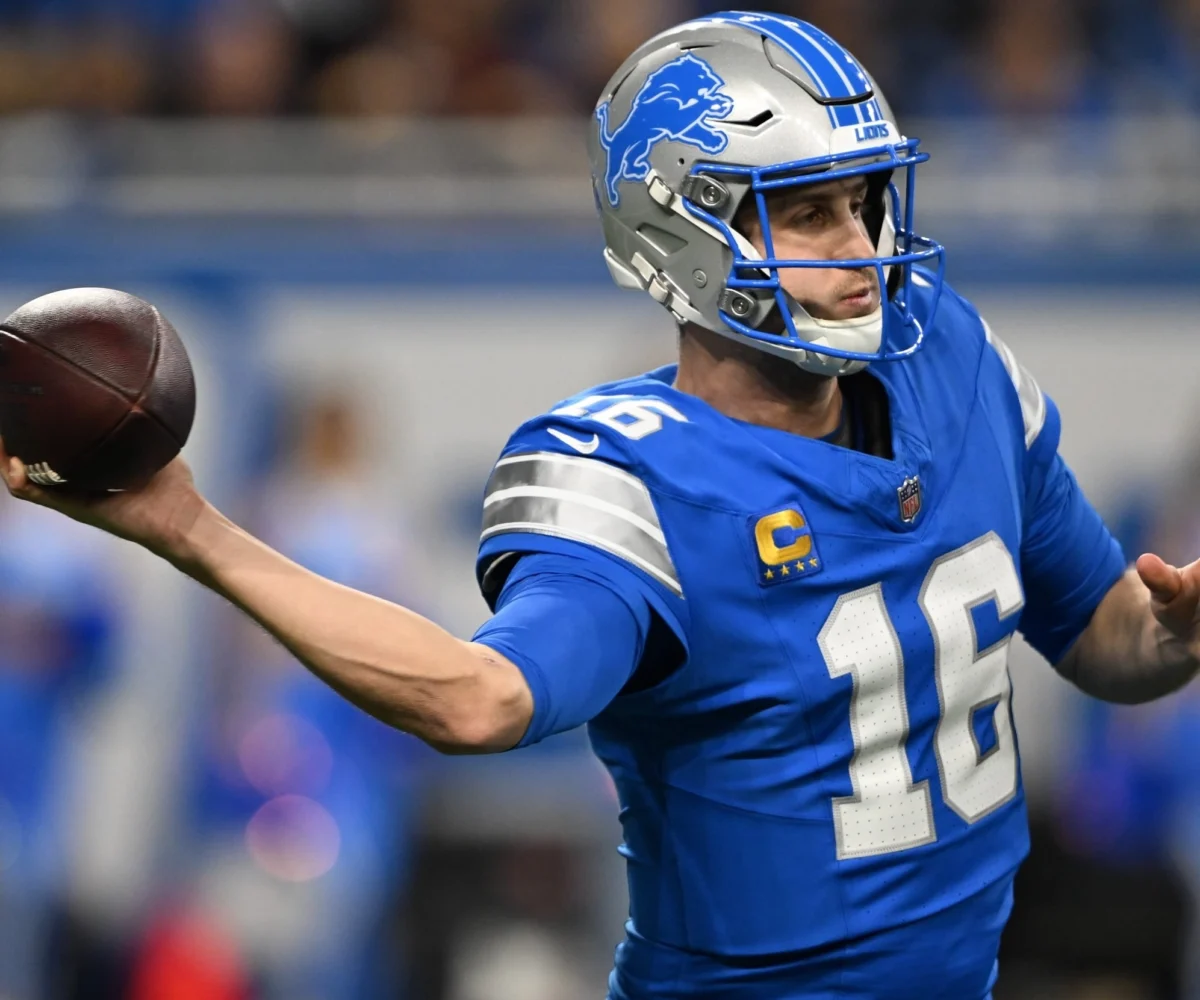
Drew Lock is officially heading back to the Pacific Northwest, rejoining the Seattle Seahawks after spending last season with the New York Giants. During his tenure in New York, Lock started five games, posting 5.9 yards per attempt and a 6:5 touchdown-to-interception ratio, though four of those scoring passes came during a single explosive performance. Now 28 years old, the prototypical 6-foot-4, 228-pound signal-caller is viewed as a steady but ultimately underwhelming backup option. This profile makes him an ideal fit for Seattle, where Sam Darnold is firmly locked in as the starter, and rookie third-round draft pick Jalen Milroe will likely require time to develop behind the scenes. Nevertheless, football is a volatile sport, and should Darnold suffer an injury or struggle to the point of being benched, there remains a realistic chance that Milroe could be given the nod over Lock, driven perhaps as much by fan enthusiasm and the allure of youth as by on-field performance.
Lock’s recent path through the National Football League highlights the turbulent nature of life as a fringe starting quarterback and high-end backup. He originally signed with the Giants in March to serve as the primary backup to Daniel Jones. At the time, Jones’s availability for the start of the regular season was cast into doubt following a severe ACL injury suffered the previous November, and the front office had not yet cemented Jones as the undisputed long-term answer for the franchise. This situation seemingly cracked the door open
for Lock to potentially vie for the starting job, especially during the early weeks of the campaign. That kind of immediate opportunity had been absent during his previous two-year stint in Seattle, where Lock was firmly entrenched behind Geno Smith—a reality that partially explains why he chose to bolt for New York in search of greener pastures.
During his time backing up Smith, Lock demonstrated that he possessed the physical tools, boasting prototypical size and formidable arm strength. He even put together credible performances in two spot starts when an injury sidelined Smith, completing 68.8 percent of his passing attempts while maintaining a respectable 7.5-yard average depth of target. However, life in New York offered a significantly diminished supporting cast compared to what he was accustomed to in Seattle. While Malik Nabers arrived as the sixth overall pick in the NFL draft to lead the receiving corps, the remainder of the skill-position group leaned heavily toward the mediocre, and the backfield saw dynamic running back Saquon Barkley replaced by Devin Singletary during the offseason.
To fully understand Lock’s professional evolution, one must look back at the various chapters of his career. Before the 2023 season, Lock lost an open training camp quarterback competition to Geno Smith in Seattle. While Smith went on to play exceptionally well and earned a lucrative three-year, $105 million contract extension, Lock accepted a modest one-year, $4 million deal to remain in Seattle as a reliable backup. At just 26 years old at the time, he established a reputation as a capable understudy, sporting a career 6.7 yards per attempt and a 25:20 touchdown-to-interception ratio. Even so, finding another true opportunity to compete for a starting job has proven difficult unless he can drastically elevate his profile when given game reps. Had he secured extended playing time in Seattle during those years, he would have stepped into an enviable offensive ecosystem featuring elite weapons like DK Metcalf, Tyler Lockett, and Jaxon Smith-Njigba.
Lock’s arrival in Seattle initially came as part of the blockbuster trade package that sent franchise cornerstone Russell Wilson to the Denver Broncos. While Lock was never going to make the Seattle fan base forget about Wilson, the organization understood that simply delivering competent, mistake-free football would be acceptable if he were ever thrust into action. Competency, however, had been a sporadic trait for the young quarterback. Back in 2020, during his 13 starts for the Broncos, he struggled immensely when facing defensive pressure, recording a dismal 7.9 passer rating under duress. He subsequently lost his starting job heading into the following season to veteran Teddy Bridgewater. Across six appearances in that span, Lock’s 71.2 percent on-target throw rate ranked 27th among quarterbacks with a minimum of 100 attempts. Fortunately, his time in Seattle offered the safety net of targeting elite wideouts Tyler Lockett and DK Metcalf, alongside former Denver tight end teammate Noah Fant. Yet, head coach Pete Carroll—known for his risk-averse coaching philosophy and a preference for a run-first offensive scheme—ultimately named Smith the starter at the conclusion of the preseason, keeping Lock firmly on the sidelines to start the year.
Looking further back into his formative professional years, Lock’s early tenure in Denver was equally rocky. After missing the majority of his rookie season due to a thumb injury that landed him on injured reserve for ten weeks, he returned late in the year to orchestrate a 4-1 record in December. Selected in the second round of the 2019 NFL Draft out of the University of Missouri, the young quarterback flashed occasional brilliance, but his overall body of work during his extended audition consisted largely of one great game, one poor game, and a handful of thoroughly mediocre outings. Accuracy had been an ongoing concern dating back to his college days in Missouri, where he completed 56.9 percent of his passes. During his initial extended action in the pros, he hit a league-low 57.3 percent of his passes and an on-target percentage of 66.6, while tying for the league lead with 15 interceptions. Notably, nine of those interceptions occurred when he was pressured, dragging his passer rating under pressure down to historic lows.
The Broncos responded to those offensive struggles by acquiring Teddy Bridgewater, who ultimately secured the starting job in late August of that year. Yet, through all the growing pains, Lock’s athletic profile remained undeniable. Standing 6-foot-4 and weighing 228 pounds, he possessed the size, arm strength, and athletic fluidity—highlighted by a 4.69-second time in the 40-yard dash—that first caught the attention of scouts when he entered the league as a second-round pick. Even when he was not initially competing with veteran Joe Flacco for the starting job during his rookie training camp, the franchise viewed him as their eventual quarterback of the future. With Flacco entering the twilight of his career at age 34 after losing his job in Baltimore to Lamar Jackson, the Broncos wisely avoided rushing Lock into action, allowing him time to develop at a measured pace.
Over the years, various coaching staffs and front offices have attempted to unlock Lock’s physical potential. In Denver, he worked under offensive coordinator Pat Shurmur, a coach renowned for helping rookie Daniel Jones navigate a promising debut season in New York. The Broncos also continuously attempted to upgrade the supporting cast around Lock, drafting dynamic wide receiver Jerry Jeudy with the 15th overall pick, adding speedster KJ Hamler in the second round, and selecting tight end Albert Okwuegbunam—a former college teammate of Lock’s at Missouri—in the fourth round. They also brought in veteran running back Melvin Gordon to bolster the ground game alongside Phillip Lindsay, giving Lock an array of young weapons such as Courtland Sutton and DaeSean Hamilton to grow alongside.
Despite these various organizational efforts, a definitive, long-term starting role has continually eluded the Missouri product. His struggles with deep-ball accuracy and consistency under pressure limited his ceiling during his early years in Denver, and subsequent stops in Seattle and New York have cemented his status as a quintessential backup quarterback. As he returns to the Seahawks for this latest chapter of his career, Lock finds himself in familiar territory: supporting a locked-in starter while keeping himself ready in case opportunity knocks. Whether through injury, tactical necessity, or the relentless ticking of the NFL clock, Drew Lock remains prepared to step onto the field whenever his number is called.