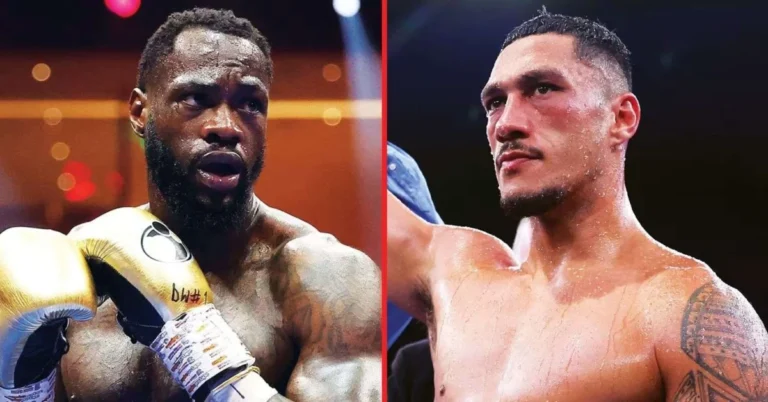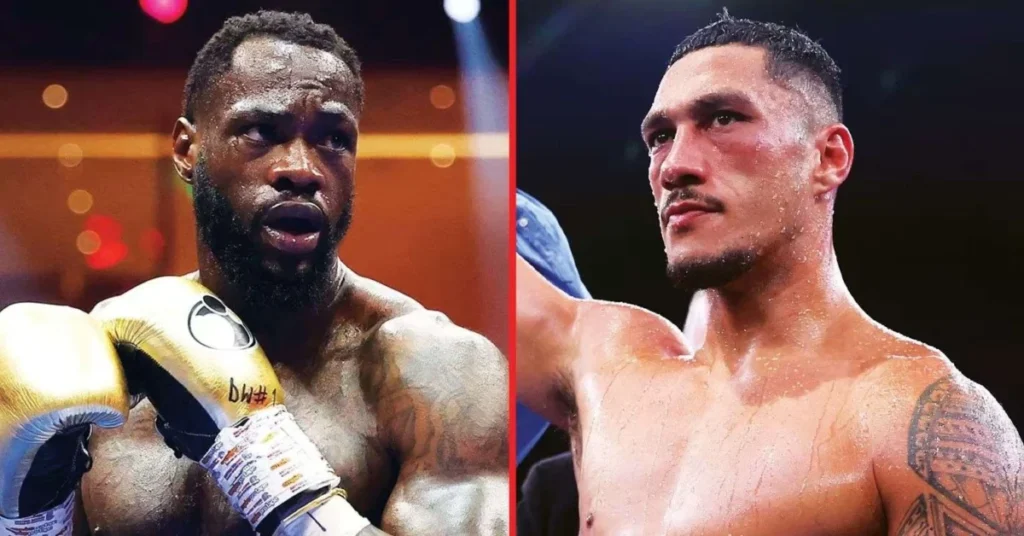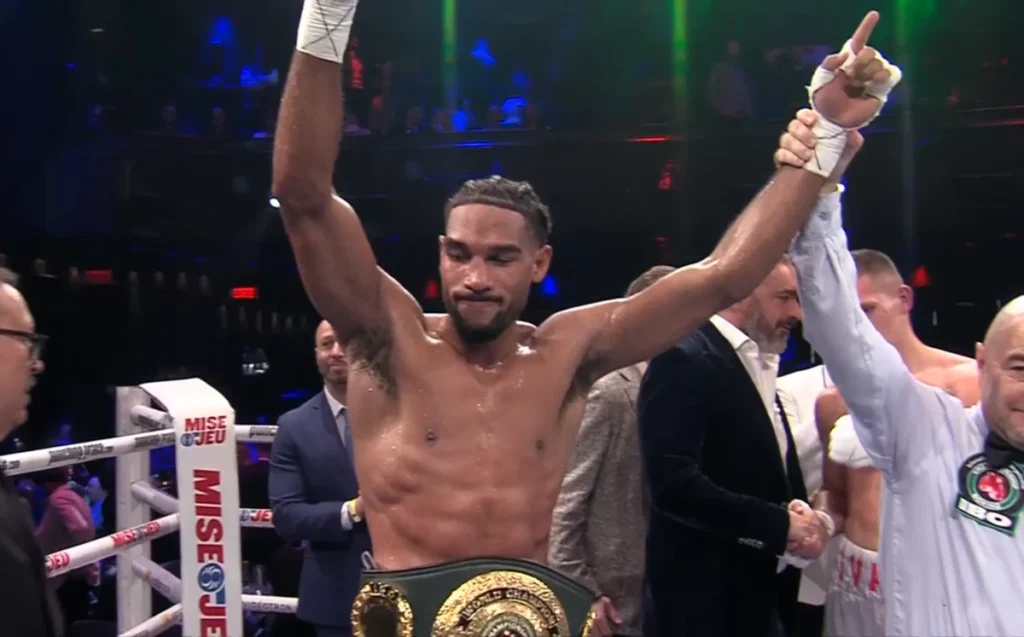
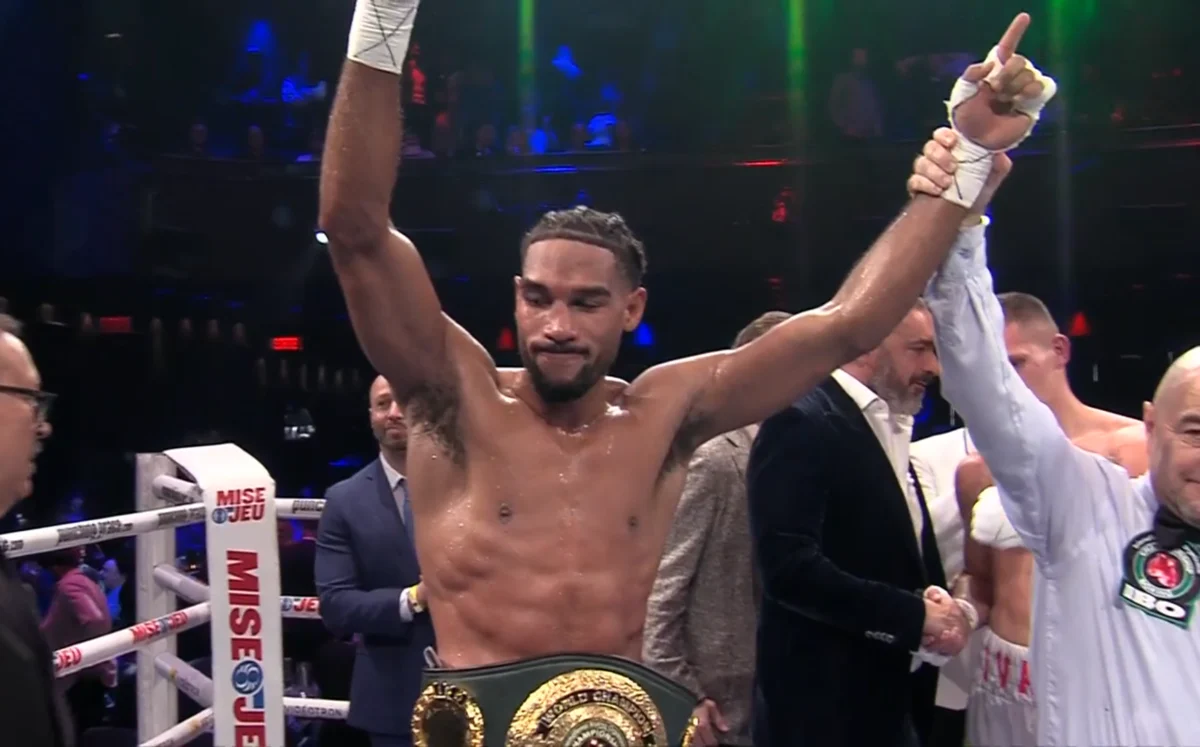
Following a ruthless 2026 campaign that saw him capture and successfully defend the IBF super middleweight title in devastating fashion, undefeated Cuban knockout artist Osleys Iglesias has been ordered into his inaugural mandatory defense against challenger Malik Zinad.
The announcement places the rising 168-pound star back on the clock as he looks to continue his destructive momentum in the division. Iglesias, boasting a pristine professional record of 16 wins with 15 coming by way of knockout, has quickly established himself as one of the most avoided and fearsome punchers in modern boxing. Yet, his path forward continues to be complicated by the labyrinthine politics of boxing sanctioning bodies and a general lack of mainstream commercial backing that makes lucrative unification bouts an uphill battle.
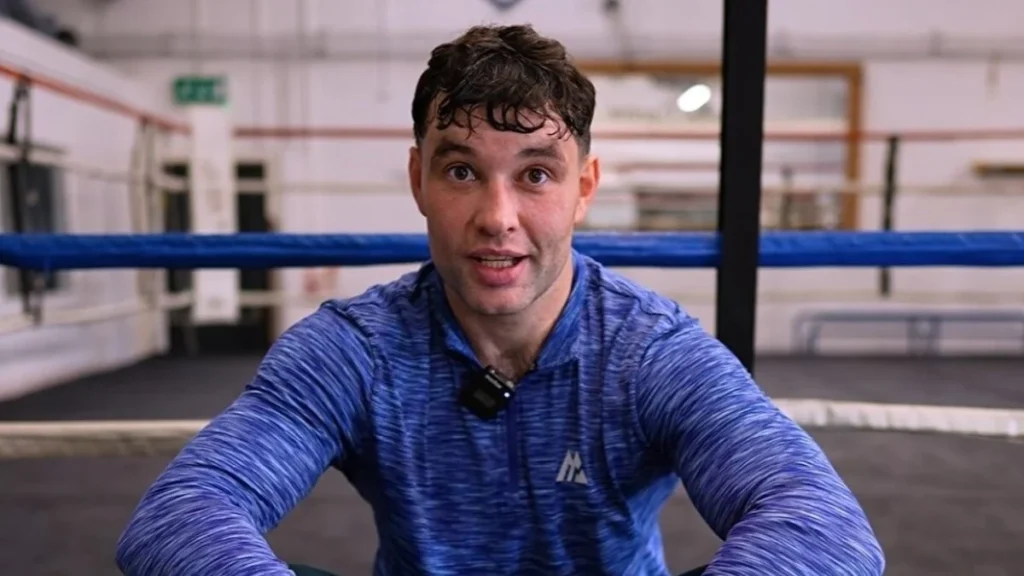
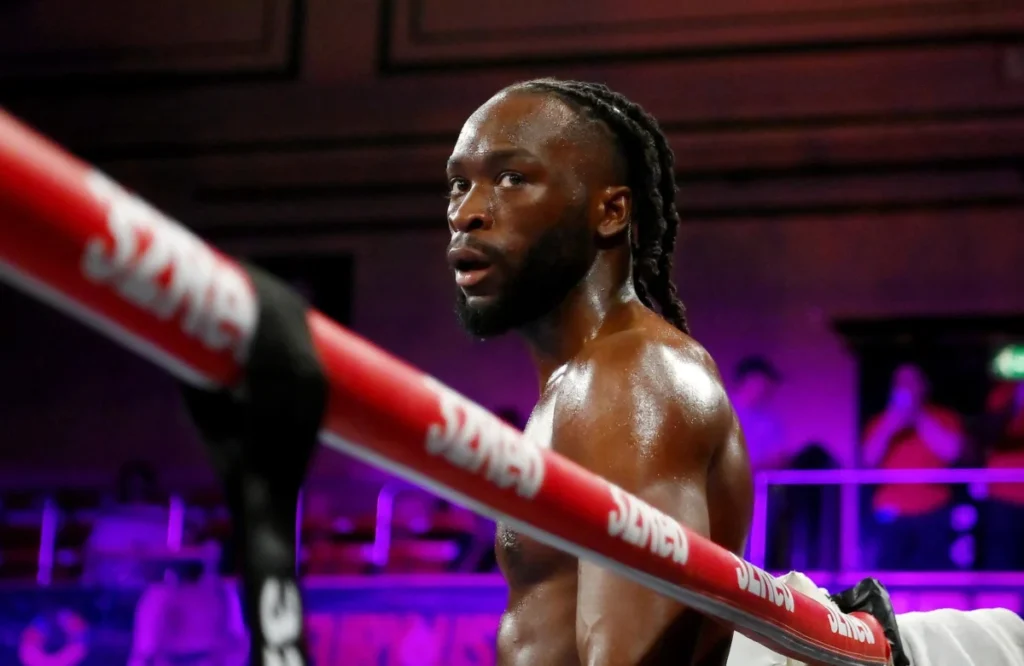
The mandated challenger for Iglesias’s crown is Malik Zinad, a fighter who carries a 24-1 record with 18 knockouts. Zinad’s most notable—and perhaps most infamous—career milestone to date is holding the dubious distinction of being the only opponent stopped by light heavyweight elite Dmitry Bivol over the course of Bivol’s last 13 ring appearances. Furthermore, Zinad’s recent activity hardly screams elite championship readiness at super middleweight, having secured his last two victories over lower-tier competition in bouts contested above the traditional 168-pound limit.
Questions immediately arose within the boxing community regarding the justification and mechanics behind the IBF’s ordering of this mandatory defense. Typically, the IBF maintains a strict procedural protocol wherein the top one or two ranking positions remain vacant until a contender successfully wins an official final eliminator tournament. In the current super middleweight ratings, the top tier sits with vacant slots followed by Kevin Lele Sadjo and then Zinad, making the direct pathway to "mandatory challenger" status somewhat opaque to observers and analysts alike.
This unusual ranking trajectory has drawn raised eyebrows across the sport, especially given that granting a top-five positioning to a competitor who has rarely campaigned in the division mirrors some of the more eccentric matchmaking patterns historically associated with other sanctioning bodies. Zinad’s most recognizable victory remains a win over Jerome Pampellone, adding further debate over whether a direct title shot is fully warranted based on merit within the weight class alone.
Compounding these matchmaking curiosities is the broader state of the IBF’s 168-pound ratings, which currently resemble a logistical trainwreck. Directly surrounding the top contenders are names like Oliver Zaren, who recently suffered a defeat at the hands of Iglesias himself, alongside Bektemir Melikuziev, who serves as the WBA mandatory challenger, and Nikita Zon, who is coming off a loss to Jaime Munguia. Observers within the sport have frequently pointed out that a comprehensive spring cleaning of the divisional rankings would do wonders for clarity and competitive integrity.
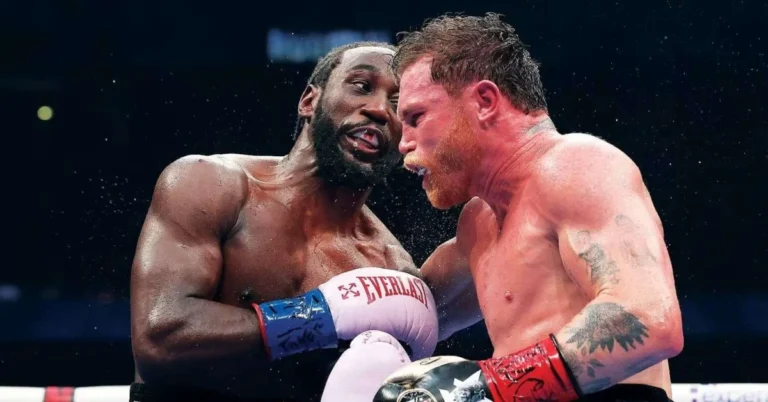
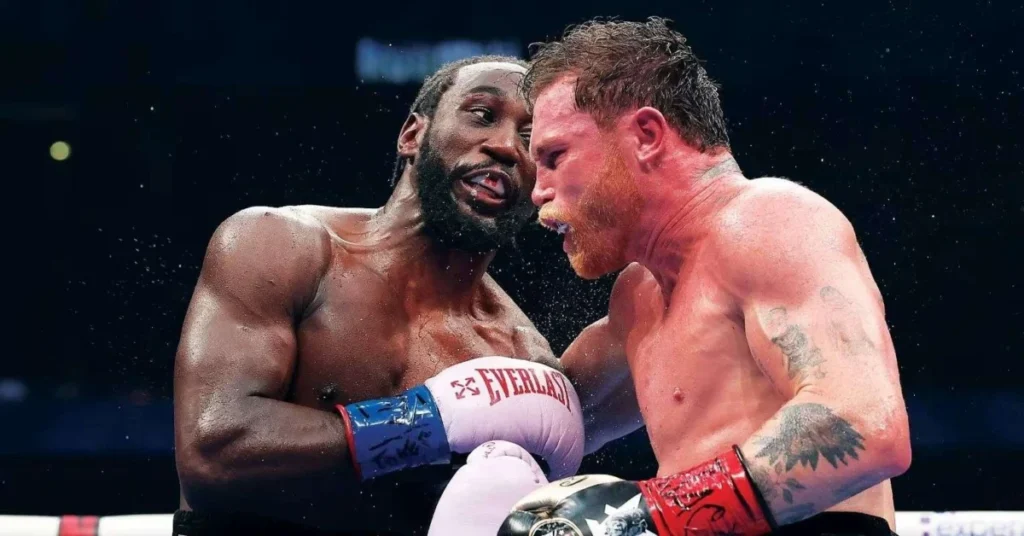
For Iglesias, however, the mandatory order at least provides a degree of active engagement. With his prospects for high-profile unification fights currently stalled near zero—largely because he is a terrifying knockout machine with limited financial backing and public visibility, combined with undisputed king Canelo Alvarez exploring other lucrative options—
staying active is the primary objective. With mega-fights currently out of reach, the explosive Cuban champion is left with little choice other than to continue adding to his formidable highlight reel and dispatching whatever challengers the sanctioning bodies place in front of him.
As the promotional details and timelines for the Iglesias-Zinad bout continue to develop, the boxing world will be watching to see how the hard-hitting champion handles his first official mandatory defense and whether he can deliver yet another signature statement performance inside the squared circle.