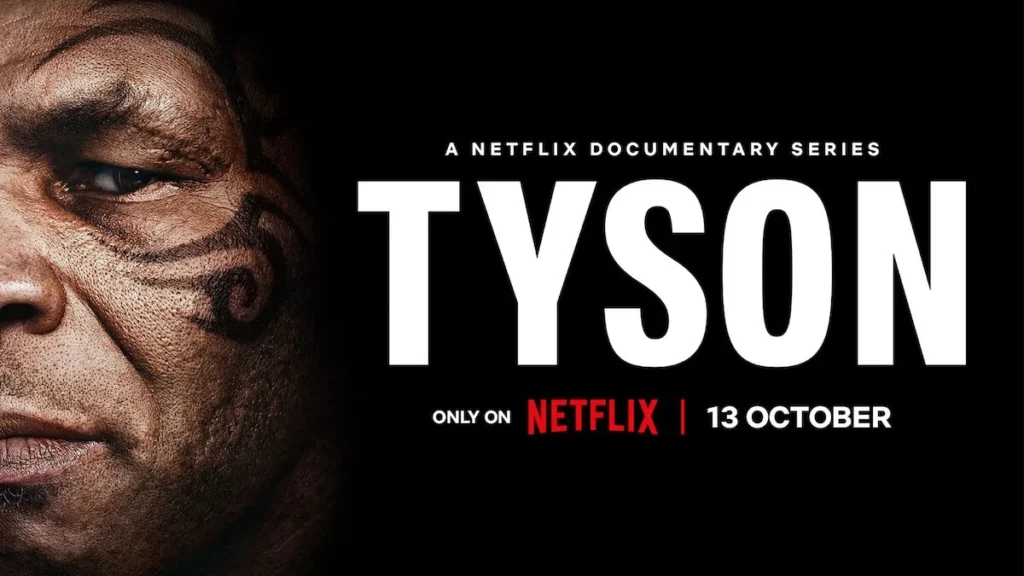

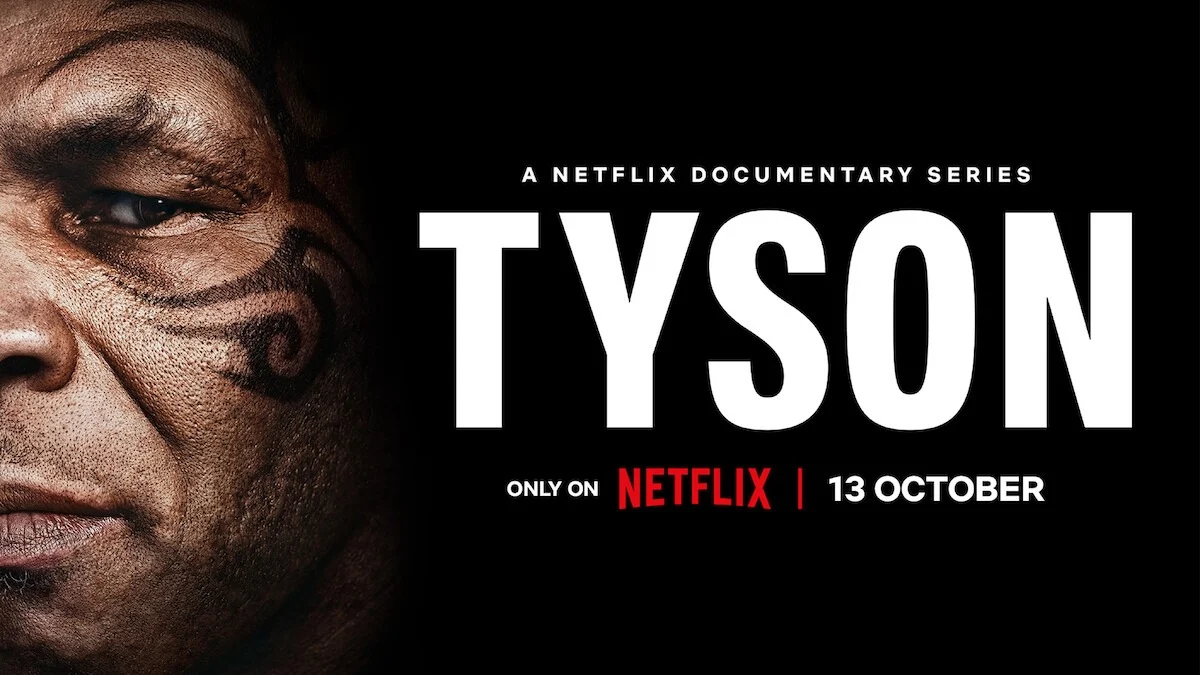
Former undisputed heavyweight boxing champion Mike Tyson has unexpectedly found himself at the center of a fresh wave of controversy on social media, driven entirely by a digitally altered photograph that has circulated online for more than a decade. The resurfaced image, which falsely appears to show the legendary fighter with white powder smeared around his nose and upper lip, has triggered unfounded accusations against Netflix and its recent four-part documentary series exploring the life, career, and personal demons of the iconic athlete.
The controversy erupted on social media when an observant user posted a side-by-side comparison. One frame was pulled directly from the newly released Netflix docuseries, which premiered on October 13, while the other displayed a notorious, highly modified version of a 1990s party photograph. Accompanying the side-by-side comparison was a pointed and provocative question directed at the streaming giant: "Why did Netflix edit this Mike Tyson photo on his documentary..?"
The implication behind the viral post was clear: the user was suggesting that Netflix had intentionally edited the archival footage or photographs featured in the documentary to scrub away evidence of drug use from Tyson’s past, effectively censoring a controversial moment in the boxer’s life. Within a short span, the post gained significant traction, accumulating views, shares, and commentary from users eager to weigh in on the integrity of the high-profile sports documentary.
However, the entire premise of the accusation crumbles under basic factual scrutiny. The photograph showing the alleged white powder is an outright fabrication. The authentic archival image contains no such marks, and the digital alterations were made years—even decades—before Netflix ever conceived or produced its latest documentary project examining Tyson’s tumultuous journey inside and outside the squared circle.
The viral narrative was swiftly met with corrective measures on the platform formerly known as Twitter. An X user’s post featuring the misleading claim received a community-generated fact-check note, which explicitly informed readers that the powder had been digitally added to the original photograph long before the documentary’s release.
The Origins of the 1997 Celebrity Snapshot
To understand how the false narrative gained such traction, it is necessary to look back at the genuine history of the photograph in question. The authentic picture was captured on September 9, 1997, during a star-studded celebration in Culver City, California. Mike Tyson, then a towering figure in global sports and popular culture, was among the high-profile guests attending a party celebrating the release of Janet Jackson’s critically acclaimed album, The Velvet Rope.
Prominent entertainment photographer Steve Granitz captured the former heavyweight champion at the event. The genuine, unedited image was carefully preserved and cataloged within the official Getty Images archive, where it remains publicly accessible today. In the authentic photograph, Tyson is seen wearing a distinct patterned shirt and looking directly toward the camera with a neutral expression. A close inspection of the archival document reveals a completely clean face, with no white powder, unusual residue, or suspicious markings around his nose or mouth.
Despite the clear and verifiable evidence residing in professional photo archives, the internet has repeatedly proven fertile ground for recycled misinformation, allowing manipulated media to resurface years after initial debunking efforts.
A Fake Image Circulated for Years
The longevity of the doctored image is a testament to how easily altered media can persist in digital spaces. A comprehensive November 2024 investigation by the independent fact-checking outlet Provereno successfully traced the doctored image back to its earliest known online circulation, pinpointing its appearance to May 2014.
At the time of its initial resurgence a decade ago, the altered photo was shared alongside a misleading and historically inaccurate caption suggesting that Tyson had been photographed at a high-society party during the 1980s. In reality, the underlying photograph was captured in 1997, several years later than the fraudulent 1980s timeline claimed by early internet posters.
Furthermore, the Provereno investigation uncovered additional layers of digital manipulation within the fake file. Beyond the application of the synthetic white powder near the nose and upper lip, digital artists had also tampered with Tyson’s eyes, applying effects designed to make them appear noticeably redder and more fatigued than they actually were in the real-world setting.
To verify these findings, fact-checkers cross-referenced the disputed image with other photographs of Mike Tyson taken by various media outlets at the exact same Janet Jackson release party, all of which are securely housed within the Getty Images archive. None of the contemporaneous photographs from that evening displayed any trace of the white powder or unusual facial markings visible in the heavily manipulated version.
These findings directly refute the core argument pushed by social media critics. Netflix did not edit cocaine residue out of a photograph for its documentary because the residue was never there in the first place. Instead, the streaming service simply utilized or bypassed an image that had already been subjected to digital forgery more than a decade before the project entered production.
Tyson’s Cocaine Past Revisited
The modern resurgence of the fake photograph is undeniably fueled by public awareness of Mike Tyson’s well-documented struggles with substance abuse, a sensitive topic that the boxing legend has never shied away from discussing in his later years. Tyson’s complex relationship with addiction is a central theme addressed in the Netflix documentary, which examines both his unparalleled athletic dominance and his turbulent personal life outside the ropes.
Throughout his post-boxing career, Tyson has spoken with striking candor about his severe previous addiction to cocaine and alcohol, as well as terrifying overdose experiences that he has publicly stated nearly cost him his life during the darkest periods of his celebrity. His willingness to confront these demons head-on has formed a major part of his public redemption arc, turning him into a surprisingly reflective figure on the complexities of fame and addiction.
In an interview published in October 2026, the 60-year-old former champion shared a significant personal milestone regarding his health and sobriety, revealing that he had successfully remained entirely free from cocaine and alcohol for a full decade.
However, cultural historians and biographers note that an individual’s struggles with addiction later in life do not serve as retroactive proof of specific drug use at past public events. The well-documented nature of Tyson’s historical substance battles undoubtedly made the doctored photograph appear plausible to casual internet users looking for sensationalism, yet the image itself remains a digital fabrication designed to depict a scenario that the original camera never recorded.
As the digital footprint of the altered photograph continues to pop up periodically across social media platforms, the incident serves as a stark reminder of the challenges archival documentary filmmakers face when dealing with historical media in an era dominated by viral misinformation and unverified online claims.