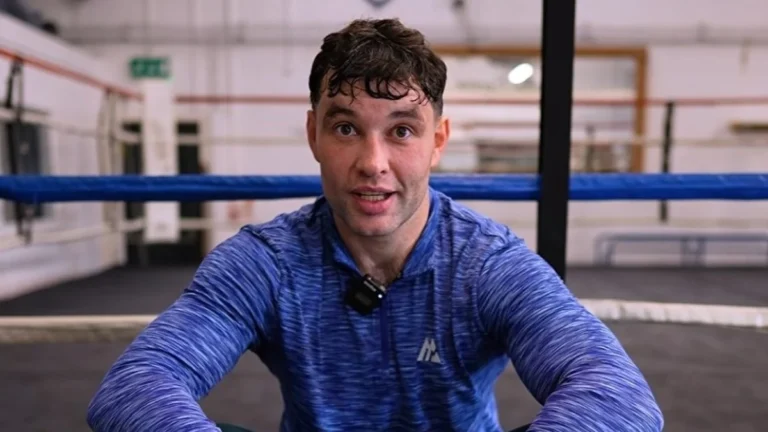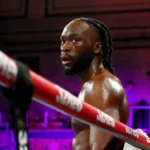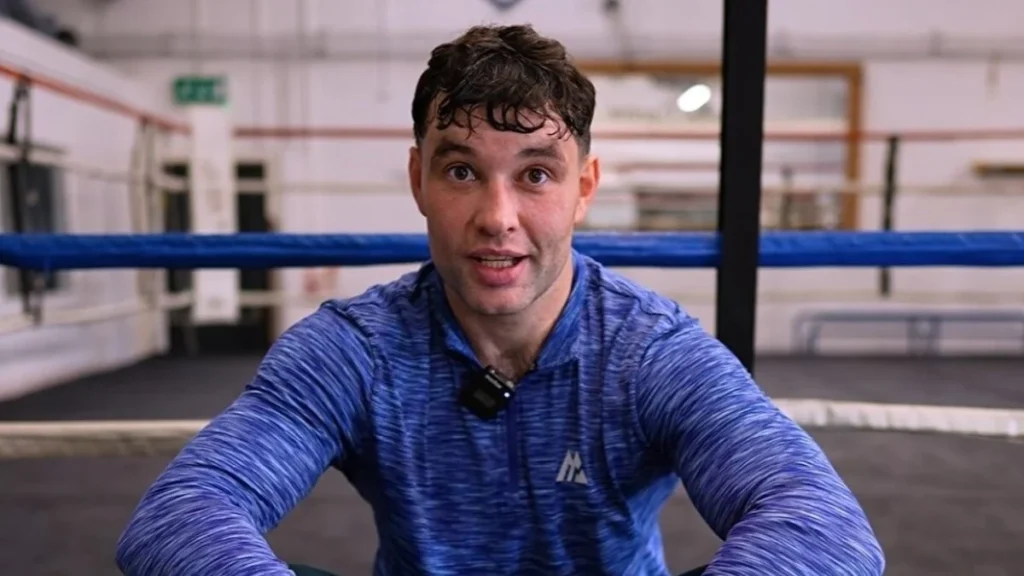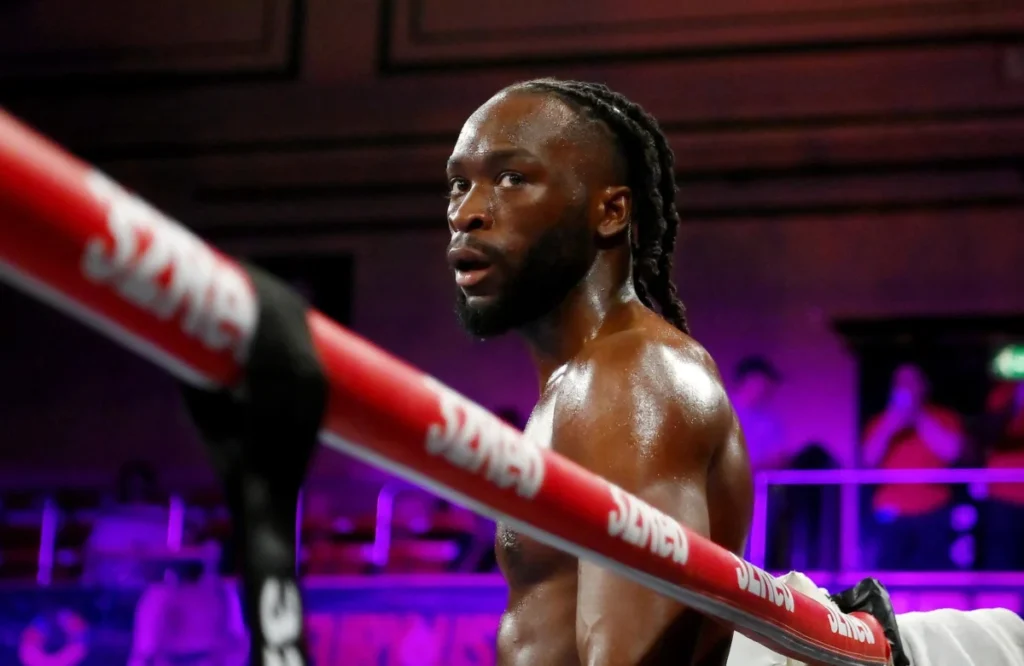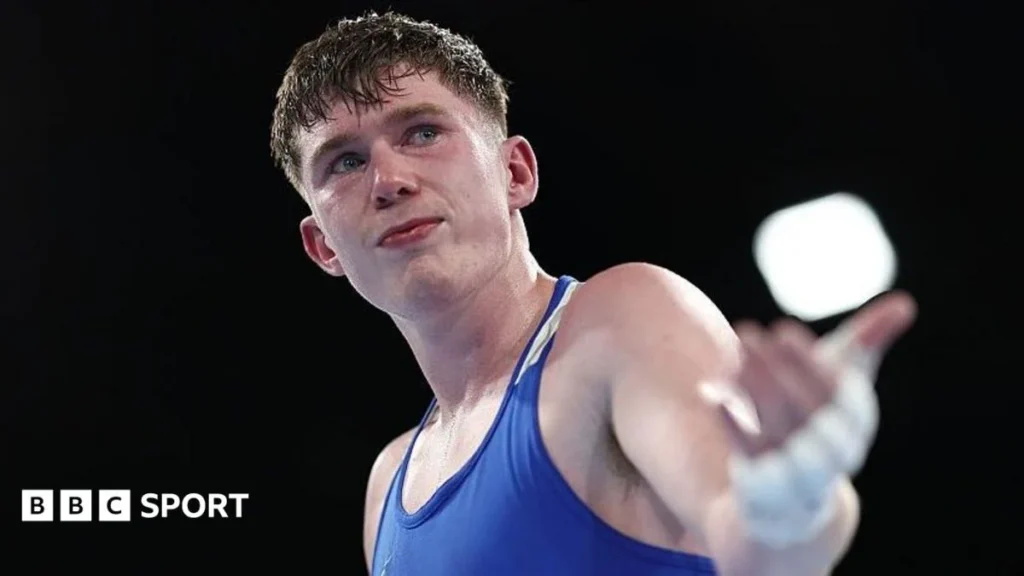
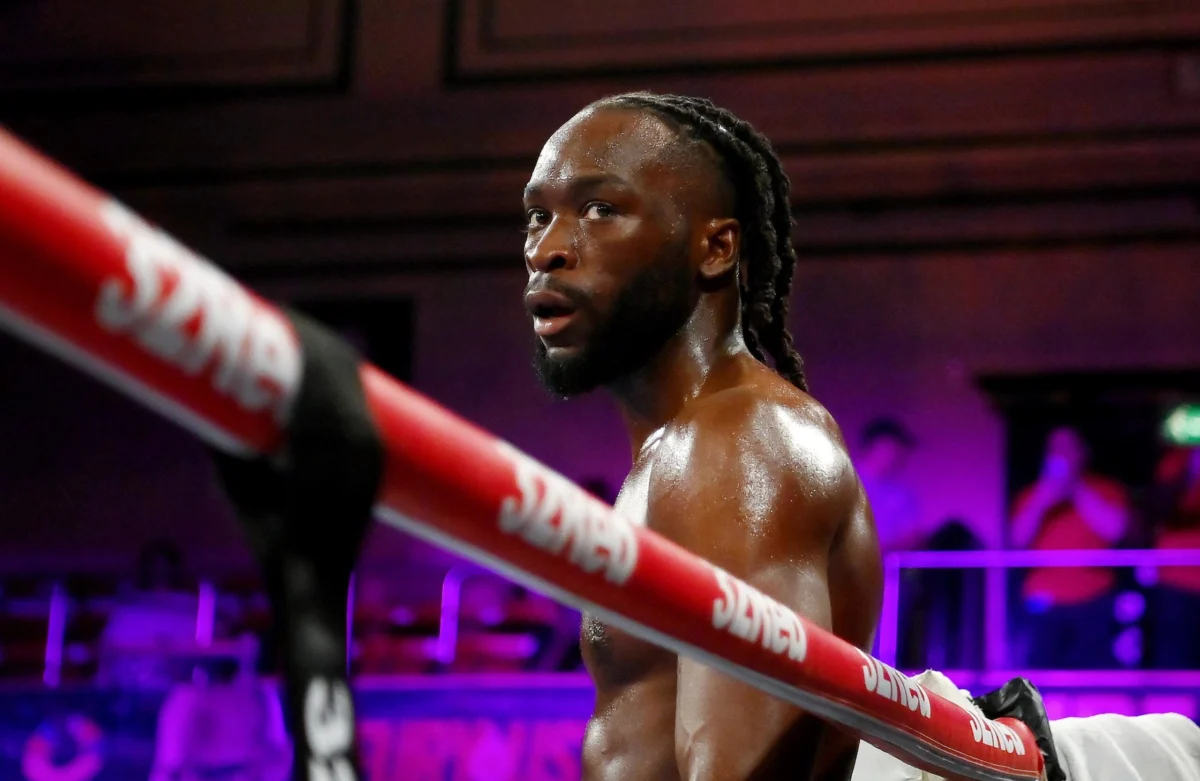
Ahead of his return to the ring in the United Kingdom this weekend, British middleweight contender Denzel Bentley sat down for a wide-ranging interview with combat sports journalist Ariel Helwani. Speaking prior to his high-stakes co-main event matchup against Shane Mosley Jr., Bentley provided an candid look into his career transition, evaluating his experiences under the Zuffa promotional banner, explaining his decision to part ways with Frank Warren’s Queensberry Promotions, and detailing his belief that sanctioning body politics directly led to him being stripped of his World Boxing Organization (WBO) title.
The upcoming fight card marks a significant shift for Bentley, who finds himself featured in a prominent co-main event position on a UK show organized by American promotional entity Zuffa and broadcast domestically on Sky Sports. For Bentley, the bout represents both a fresh promotional start and an opportunity to navigate the complex promotional landscape that has defined his recent middleweight campaign.
Bentley on Going Through His First Promotion Under Zuffa
Reflecting on the buildup to this weekend’s show, Bentley offered an insightful assessment of what it has been like to go through a fight week and promotional circuit operated by Zuffa. The transition to working with the American organization—traditionally known for its dominant role in mixed martial arts through parent company operations—has presented a distinct change of pace compared to traditional British boxing promotions.
Bentley acknowledged that the experience has required an adjustment period on his end, describing the promotional demands as intense but ultimately beneficial for his career profile and visibility.
“It’s very different, very demanding, if I’m being honest,” Bentley said during his appearance with Helwani. “But it’s good to get out there and know that there’s a platform and obviously Sky Sports over here in the UK that are pushing us as fighters, helping us get our names out there, helping us get seen, and hopefully it pays off.”
Expanding on the operational mechanics of the promotion, Bentley drew a clear distinction between Zuffa’s behind-the-scenes infrastructure and the challenges the company faces while establishing a foothold in the British boxing market. From an athlete’s perspective on the inside, Bentley described the organization as highly methodical and thoroughly prepared.
“It’s definitely a well-oiled machine, from the inside,” Bentley explained. “They got a lot of people working on the job and things are just so organized and so professional.”
However, Bentley observed that executing a fight campaign on British soil involves a learning curve for an American promotion accustomed to domestic event logistics and audience engagement strategies. Navigating local ticket sales, event promotion, and fight buildup in the UK market presents nuances that differ from standard American operations.
“On the outside, selling shows and trying to sell tickets to shows and build up shows and all that stuff—obviously that’s been a bit new, especially them being an American company coming to the UK trying to do things their way that they do in America, if that makes sense,” Bentley noted.
Despite those initial friction points as the organization integrates into the region, Bentley expressed confidence in Zuffa’s long-term potential in the UK market, provided they adapt to local fan culture.
“So, I think once they adjust and get the UK fans behind them it’s going to be a big platform,” Bentley stated. “But behind the scenes, what I’ve experienced on the inside is incredible.”
On Why He Parted With Queensberry for Zuffa
A major focal point of Bentley’s conversation with Helwani was his decision to sever ties with Queensberry Promotions, the stable under which he had previously built his career and secured domestic and regional honors. According to Bentley, the choice to walk away was rooted in prolonged periods of inactivity, broken promises regarding championship opportunities, and ongoing uncertainty about his career trajectory.
Bentley recalled that leading up to his fight earlier this year in April, he had been sidelined for nearly a year and a half, a period that severely stalled his momentum while he was at the peak of his domestic success.
“Well, my last fight in April, before that I was out for 16 months and I was very inactive, and obviously I wasn’t happy with the circumstances and stuff around that,” Bentley shared. “I was British and European champion at the time.”
The root of Bentley’s dissatisfaction stemmed from strategic decisions made surrounding his standing with sanctioning bodies. After facing the WBO’s second-ranked middleweight contender, Bentley understood that victory would guarantee him an immediate path toward a world championship title opportunity. Trusting the guidance provided to him, Bentley made the significant sacrifice of relinquishing his domestic and European titles to clear his schedule for the promised world title fight.
“Because I had just boxed the WBO #2 at the time, we was promised that the winner of that fight goes on to fight for a world title,” Bentley said. “But because of that promise I was advised to vacate my titles and sit tight and wait for the world title shot.”
However, the promised title opportunity failed to materialize in a timely manner. Instead of receiving a direct shot at the championship, Bentley faced extended delays, which culminated in an unexpected sanctioning body directive the following summer.
“Then I think that in July the next year it was announced that I have to fight an eliminator against the #2 again… and that took about 16 months altogether to kind of get over the line,” Bentley explained.
Even after navigating those delays and winning the title, Bentley found that returning to the promotional office offered little clarity regarding his future fight scheduling or mandatory obligations. The persistent lack of direction led him to reconsider his alignment with Queensberry and begin exploring alternative options in the market where he felt his active career would be prioritized.
“So when I did win that title, we went back to the office and there was still that bit of uncertainty,” Bentley revealed. “I think around that time is when I started thinking I’ve got to look somewhere else and try and speak to other promoters and see where I’m valued and take myself over there and continue my career.”
The initial momentum toward joining Zuffa gathered strength following a public statement from the WBO leadership. WBO leadership had publicly posted a message indicating that Bentley would be permitted to make a voluntary defense of his championship before being required to meet his mandatory challenger the following year.
However, once industry rumors began circulating that Bentley was considering a formal departure from Queensberry to sign with Zuffa, the situation deteriorated rapidly before contractual agreements could be finalized.
“We made this move to Zuffa that based on the WBO president putting out a tweet and acknowledging the fact that I get a voluntary defense before moving on to fight the mandatory next year,” Bentley stated. “When everyone caught whispers and it was rumored that I’m leaving Queensberry and maybe signing with Zuffa at the time, that’s when things changed and it changed very quickly to the point where I didn’t even have time to make a decision on what it was I wanted to do because we’d already been promised the voluntary defense.”
Looking back on the turbulent transition, Bentley summarized the breakdown as a classic case of promotional crossfire, remarking, “So I just kind of got caught in the middle of the politics of boxing, but it’s all good.”
On Whether He Believes the WBO Deliberately Stripped His Belt Because He Went to Zuffa
The promotional rift took a severe turn when Bentley was officially stripped of his WBO middleweight championship—a move he firmly attributes to his decision to align with Zuffa rather than remaining under his previous promotional banner.
When asked directly by Helwani whether he believes the WBO acted deliberately to strip him of the title as a direct consequence of his promotional move, Bentley did not hold back his opinion. While acknowledging he lacks absolute documentary proof, Bentley made it clear that the sequence of events leaves him with little doubt regarding the sanctioning body’s motivations.
“I can’t say for certain, but that’s what I think,” Bentley candidly told Helwani. “Honestly, that’s what I think. That’s how I feel because there was no other [reason] for that statement he put out to be retracted.”
Bentley pointed to the contradiction between the WBO’s public commitments and their ultimate actions. The sanctioning body had explicitly verified that Bentley was entitled to schedule a voluntary title defense before the end of the calendar year. Bentley argued that his current matchup against Shane Mosley Jr. fully satisfied the criteria of a high-level voluntary championship defense, given Mosley’s recognized standing within the WBO rankings.
“I mean, for him to say I get a voluntary like it’s all said and done before the end of the year, which I’m having a fight now which could well be a voluntary defense—Shane Mosley Jr. is ranked #6 with the WBO and that could have been a solid defense and then we go next year,” Bentley argued.
What further exacerbates Bentley’s frustration is the timeline regarding his mandatory challenger, Yoenli Hernandez. According to Bentley, stripping the belt served no practical purpose for the division’s schedule, as Hernandez is unavailable to compete for the championship until next year regardless.
“They’ve now taken the title and the person that was mandatory in [Yoenli] Hernandez, he can’t fight for it until next year anyway,” Bentley pointed out. “So, you’ve just taken my title from me for no reason.”
For Bentley, the resolution felt particularly unjust given his consistent compliance with sanctioning body requirements throughout his tenure as champion, including the financial obligations that come with holding a world title.
“I mean, I pay my sanctioning fees like everyone else, but in this instance, I didn’t feel like I was treated like the champion,” Bentley concluded.
Despite the loss of his title outside the ring, Bentley remains focused on his immediate business this weekend. Moving forward under the Zuffa banner, the middleweight contender aims to put the promotional politics behind him and use his co-main event spotlight against Shane Mosley Jr. as a stepping stone toward re-establishing his position at the top of the middleweight division.