



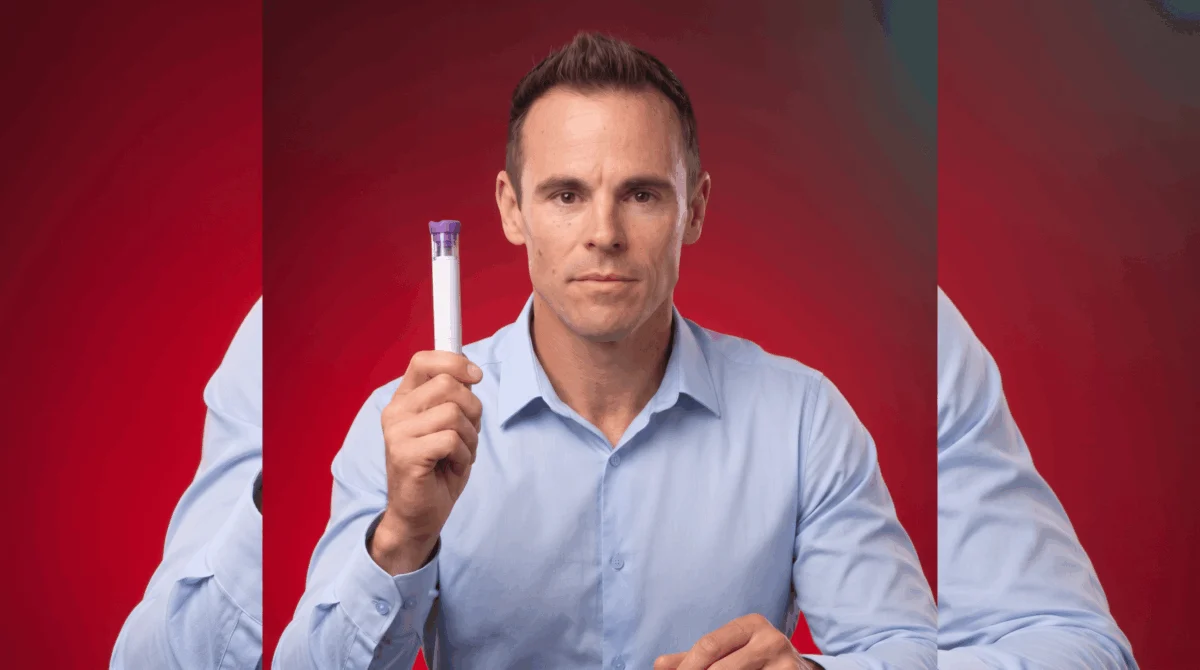
The conversation surrounding modern weight loss medications is undergoing a serious reassessment, led by voices at the intersection of conventional medicine and physical fitness. Dr. Michael Diamonds, a medical doctor and natural bodybuilder, is challenging how the public and patients think about blockbuster treatments like Ozempic, Mounjaro, and the emerging candidate Retatrutide. According to Diamonds, these pharmaceuticals are frequently mischaracterized as direct fat-burning agents when, in reality, they function primarily as appetite suppressants, leaving the body to determine which internal tissues to catabolize as caloric intake plummets.
Without a deliberate, structured physiological strategy, patients face the risk of a dangerous amount of that weight loss coming from lean muscle mass rather than unwanted adipose tissue. In a detailed breakdown of these treatments, Diamonds outlines the actual biological mechanisms of GLP-1 and multi-agonist medications, identifies specific patient populations who should consider them, and details the exact clinical protocols required to preserve muscle mass both during pharmacological therapy and after discontinuation.
The Real Mechanism Behind GLP-1 Drugs
To understand the broader impacts of these drugs, it is necessary to examine how they function within the human body. GLP-1, or glucagon-like peptide-1, is a hormone naturally produced in the gut in response to food consumption. Its primary physiological roles include signaling satiety to the brain, slowing gastric emptying, and prompting insulin release when blood sugar levels rise. These mechanisms formed the original foundation for their development as therapeutics for type 2 diabetes.
Pharmaceutical interventions like Ozempic and its higher-dose weight-loss formulation, Wegovy, introduce a lab-engineered analog of this hormone into the bloodstream. Unlike the short-lived bursts of natural GLP-1, these synthetic versions remain elevated for days or weeks at a time. Clinical research demonstrates that non-diabetic individuals utilizing Ozempic achieved roughly a 15 percent reduction in total body weight over an 18-month period, compared to approximately 2.5 percent in control groups receiving placebos.
Meanwhile, medications such as Mounjaro, marketed as Zepbound for weight management, incorporate a second hormonal pathway known as glucose-dependent insulinotropic polypeptide (GIP). This dual-agonist approach has been shown in clinical settings to help patients shed approximately 21 percent of their body weight at peak dosages.
The Triple Agonist Everyone’s Talking About
The pharmaceutical landscape continues to evolve with the development of triple-agonist therapies like Retatrutide, which introduces glucagon into the hormonal mix. Glucagon is a hormone that signals the liver to mobilize stored glycogen and burn accumulated fat while offering a modest boost to the resting metabolic rate, causing the body to expend more energy even while inactive.
Mid-stage clinical trials indicate that participants using Retatrutide lost approximately 24 percent of their body weight over a 48-week period, with body scans revealing that a significant portion of fat mobilization originated from visceral stores around the liver. Phase three trial projections suggest potential weight reductions approaching 28 percent at 80 weeks—meaning a 220-pound individual could potentially shed roughly 60 pounds.
However, Diamonds cautions that biological interventions carry inherent trade-offs. Clinical trials for these advanced therapies have consistently noted dose-dependent increases in resting heart rates, alongside gastrointestinal side effects that mirror or exceed those observed with earlier medications. Furthermore, Diamonds emphasizes that Retatrutide lacks official regulatory approval from the U.S. Food and Drug Administration, with filing expectations pointing toward 2027. Consequently, any commercially available vials currently circulating through medical spas or online research channels carry "research use only" designations, bypassing standardized manufacturing and purity controls.
The Price Your Body Pays
The central argument advanced by Diamonds rests on a fundamental physiological distinction: while a pharmaceutical agent dictates the volume of food consumed, the human body independently determines which tissues to degrade for energy. Comprehensive body composition scans conducted on patients undergoing Mounjaro therapy revealed that roughly 25 percent of the total weight lost consisted of lean tissue and muscle mass. Notably, clinical comparisons showed that individuals undergoing conventional calorie-restricted diets without medication lost a nearly identical proportion of lean mass. The medication itself did not direct the body to spare muscle.
Scans of patients utilizing Ozempic demonstrated reductions in fat mass alongside declines in lean tissue, bone density, and organ mass, translating to roughly four out of every ten pounds lost coming from non-fat tissues. While Mounjaro demonstrated a slightly more favorable ratio of three pounds of fat lost for every one pound of muscle, a quarter of the total reduction still stemmed from lean mass.

Without adequate protein intake and targeted resistance training, patients risk shrinking their basal metabolic engine. Diamonds characterizes muscle tissue as an essential component of long-term health and functional longevity, noting that men naturally experience progressive declines in muscle mass and strength starting in their thirties. For a 220-pound man dropping 35 pounds without protective measures, the resulting loss of up to 14 pounds of muscle could represent more than a decade of normal age-related muscle degeneration compressed into a single year.
What Happens When You Stop
Clinical observations and patient reports frequently highlight a familiar trajectory after discontinuing these medications: significant weight regain, often accompanied by additional adipose accumulation. Clinical trials tracking patients who successfully lost substantial body weight on GLP-1 therapies found that approximately two-thirds of the lost weight was regained within a single year following the cessation of treatment.
Conversely, targeted lifestyle interventions can alter these outcomes. European studies investigating patients on older GLP-1 formulations found that those who paired the medication with a structured physical training program maintained significantly greater weight loss a full year after stopping the drugs compared to those who relied on medication alone.
Medical professionals emphasize that the transition period leading up to the discontinuation of treatment is critical. Patients are advised to engage in consistent resistance training, elevate protein consumption, and work closely with prescribing physicians to taper dosages down gradually rather than stopping abruptly.
Who Should Actually Consider These Medications
Navigating the divide between proponents of miraculous weight loss and critics who dismiss pharmacotherapy, Diamonds adopts a pragmatic clinical stance. While he personally favors natural physiological maintenance, he acknowledges clear medical indications where GLP-1 therapies provide documented clinical value.
For individuals with severe obesity who also present with established cardiovascular disease, history of myocardial infarction, or stroke, clinical data indicate a significant reduction in major adverse cardiovascular events over multi-year periods compared to placebos. For this specific demographic, healthcare providers frequently view these treatments primarily as cardiovascular protective agents that concurrently reduce body weight.
Patients facing severe health complications related to elevated body mass indices, such as obstructive sleep apnea, type 2 diabetes, or non-alcoholic fatty liver disease, are encouraged to discuss these treatment options with their physicians while simultaneously establishing foundational nutritional and exercise habits. Conversely, individuals should avoid these medications if they are unwilling to address foundational nutritional habits or if they lack appropriate medical supervision.
The Muscle First Rule and Clinical Protocols
To mitigate the risks of lean tissue degradation, clinicians advocate for a foundational approach centered on muscle preservation. This methodology relies on consistent resistance training to stimulate muscle protein synthesis, paired with elevated daily protein intake designed to support nitrogen balance during a caloric deficit.
For practical implementation, practitioners often recommend calculating daily protein targets based on goal body weight, paired with calibrated caloric deficits, daily step goals to encourage non-exercise activity thermogenesis, and adequate sleep hygiene to optimize natural hormonal regulation. Monitoring body composition changes through advanced imaging, such as DEXA scans, allows patients and clinicians to look beyond simple scale weight and verify that fat loss is being prioritized over lean tissue depletion.
Ultimately, medical experts emphasize that these pharmaceutical tools can be transformative within precise clinical contexts, particularly for high-risk cardiac patients. However, without proactive interventions to defend muscle mass through targeted physical training and proper nutrition, users risk compromising their long-term metabolic health and functional capacity.