The landscape of mixed martial arts has evolved dramatically over the past three decades, growing from a fringe spectacle into a global sporting powerhouse. Throughout that rapid transformation, few figures have been as ubiquitous or as instrumental to its structural integrity as legendary referee John "Big John" McCarthy. Yet, for all his contributions to the sport—including helping draft the very Unified Rules of Mixed Martial Arts that govern modern bouts—fans of the Ultimate Fighting Championship have not seen McCarthy officiate inside the Octagon since 2017.
For years, observers and purists of the sport have wondered why a referee of McCarthy’s stature and experience suddenly vanished from UFC events. The mystery has finally been cleared up by the official himself. In a candid and revealing interview, McCarthy pulled back the curtain on the behind-the-scenes politics of MMA officiating, explaining that a career move to a rival promotion deeply angered UFC CEO Dana White and effectively brought an end to his tenure under the promotion’s banner.
John McCarthy Says Bellator Commentary Role Angered Dana White, Discusses UFC’s Influence on Referee Assignments
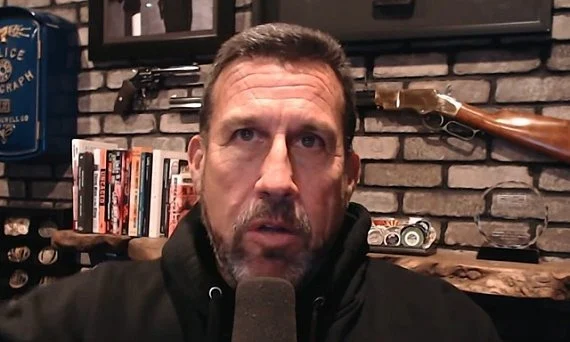
Speaking during a detailed conversation with veteran combat sports journalist Ariel Helwani, McCarthy addressed the reality of his absence from the world’s premier MMA organization. The root of the divide, according to McCarthy, traces back to his decision to accept a broadcast and commentary role with Bellator MMA, a rival promotion that was actively seeking to establish its footprint as a major competitor in the market.
McCarthy noted that UFC executive Dana White was profoundly displeased by the career pivot. According to the legendary referee, White’s dissatisfaction directly translated into a lack of booking opportunities within the UFC, as the promotion wields significant behind-the-scenes influence over which officials are assigned to its high-profile cards.
State athletic commissions generally maintain the legal and official responsibility for assigning referees and judges for mixed martial arts events held within their respective jurisdictions. This independent framework is designed to ensure neutrality and integrity, keeping the adjudication of bouts separate from the promoters staging the events. However, the operational reality of the sport often involves a collaborative dialogue between promoters and regulatory bodies to ensure that officials possess the requisite experience for high-stakes championship fights.
McCarthy explained that the UFC routinely provides state athletic commissions with a curated list of officials they prefer to work with—individuals whom the promotion trusts and feels comfortable having inside the cage during major events. While McCarthy acknowledged that this practice exists, he expressed a pragmatic view of how the industry operates, noting that promoters naturally gravitate toward personnel they trust.
“I went and worked for Bellator and Dana White was absolutely pissed about that and said, ‘I don’t want him.’ And he doesn’t need me,” McCarthy told Ariel Helwani during their interview. “That’s fine… You want the truth? I’ll tell you the truth. They put in names for people they feel comfortable with, which they should be able to do.”
The revelation sheds light on the delicate ecosystem of professional mixed martial arts, where institutional loyalties often extend far beyond the athletic commissions tasked with maintaining strict impartiality. For McCarthy, stepping away from officiating inside the Octagon marked the conclusion of an era that began alongside the inception of the sport itself in the early 1990s.
As one of the original arbiters of the sport, McCarthy was tasked with keeping fighters safe during an era when the rules were still being written and regulatory oversight was minimal. His towering physical presence, authoritative command of the cage, and dedication to fighter safety earned him the universal respect of athletes, coaches, and fans alike. Over the decades, he became the gold standard for officiating, handling countless historic title fights and marquee matchups that defined generations of the sport’s history.
When McCarthy eventually transitioned into broadcasting, bringing his encyclopedic knowledge of the rules and tactical insight to the commentary desk for Bellator, it represented a major shift in his professional focus. While the move allowed him to educate fans and analyze the sport from a new perspective, it clearly came at the cost of his relationship with the industry’s dominant market leader.
The public confirmation from McCarthy provides definitive context to an absence that had largely been speculated upon by the MMA community for nearly a decade. While the door to the Octagon appears firmly closed for the legendary referee, McCarthy’s legacy as a foundational pillar of mixed martial arts officiating remains secure, even as the politics of the sport continue to evolve behind the scenes.