


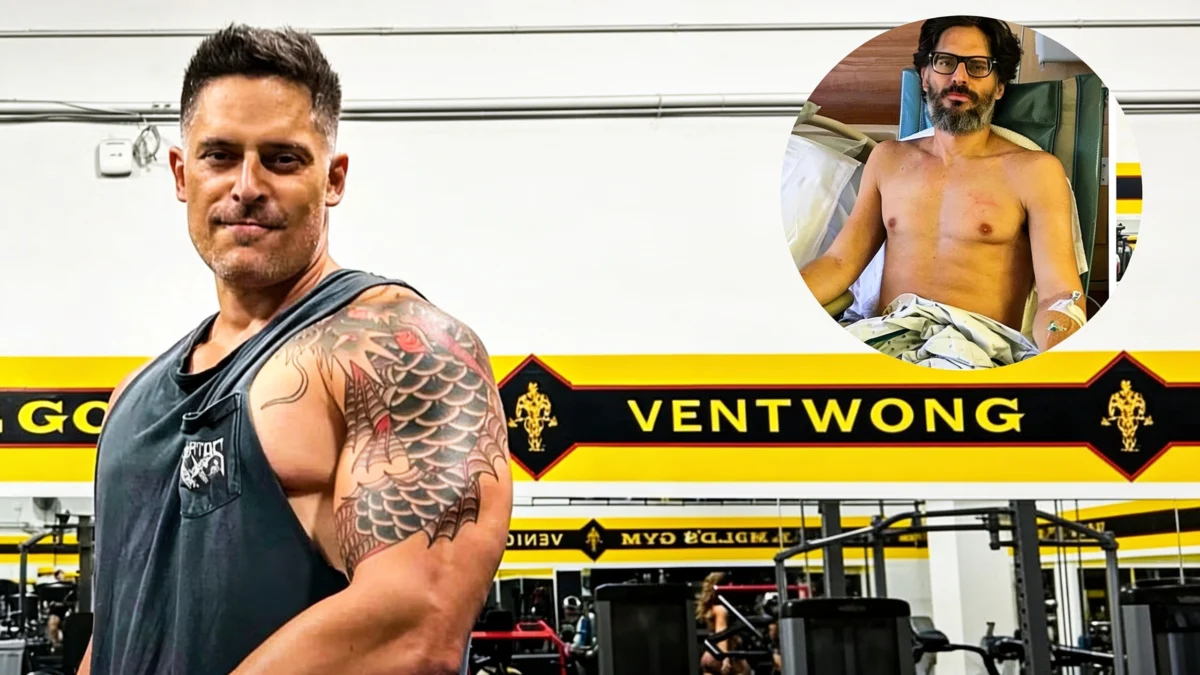
Actor Joe Manganiello, long celebrated for his chiseled physique and dominant presence in projects like True Blood and the Magic Mike franchise, has opened up about a grueling seven-year health crisis that nearly cost him his life. Behind the scenes of a thriving Hollywood career, the 49-year-old actor was privately battling a mysterious and aggressive autoimmune condition that ravaged multiple organ systems, forced the emergency removal of his entire large intestine, and caused a dramatic 60-pound weight loss.
The harrowing medical journey is detailed in Manganiello’s new memoir, Bloodlines, published by Avid Reader Press. Far from the polished image of a fitness icon, the book lays bare a deeply vulnerable chapter of his life—offering both a sobering look at the unpredictable nature of severe chronic illness and a striking narrative of physical and psychological recovery.
A Cascade of Mysterious Symptoms
Manganiello describes his ordeal as a devastating cascade of autoimmune-related illnesses that simultaneously targeted multiple organ systems over roughly a seven-year span. Without warning, his body turned on itself, impacting his skin, thyroid, eyes, lungs, and digestive tract in a relentless wave of health complications.
Despite undergoing countless medical evaluations, specialized colonoscopies, and extensive diagnostic testing by numerous physicians, doctors were never able to pinpoint a definitive, conclusive diagnosis. Autoimmune conditions frequently present a frustrating diagnostic challenge in modern medicine, often acting as a complex umbrella for symptoms that fail to fit neatly into established categories. Because the immune system is intricately tied to nearly every bodily function, multi-system inflammatory disorders can cross multiple medical specialties, leaving patients stranded without clear answers even after exhaustive investigations.
Emergency Surgery and Life with an Ostomy Bag
The medical crisis reached a critical breaking point in 2016, necessitating an emergency total colectomy—the complete surgical removal of Manganiello’s large intestine. To allow his body to heal, surgeons diverted his digestive system to an ostomy bag, a medical pouch worn externally to collect waste.
Manganiello navigated life with the ostomy bag for approximately seven months. The period required not only intense physical healing from major abdominal surgery, but also a profound lifestyle adjustment. Living with an ostomy often carries a heavy psychological and social weight, touching on body image, personal intimacy, and the lingering social stigmas associated with medical appliances, despite millions of individuals worldwide relying on them for survival.
In a twist that highlights the hidden realities of chronic illness in the entertainment industry, Manganiello was offered the high-profile role of the primary antagonist in Ben Affleck’s planned Batman film precisely while he was recovering from major intestinal surgery and managing life with an ostomy bag.
The Physical Toll: Losing 60 Pounds
For an actor whose public persona and career trajectory were closely tied to maintaining elite physical conditioning, the toll of the illness was profoundly destabilizing. Manganiello dropped roughly 60 pounds in a short timeframe as chronic inflammation and gastrointestinal dysfunction stripped his body of its ability to properly absorb nutrients and retain muscle mass.
The combination of severe illness, heavy pharmaceutical interventions, and major surgery left him severely depleted. Transitioning from a pinnacle of physical strength to a state of profound medical frailty presented psychological hurdles that rivaled the physical challenges of recovery.
Rebuilding Strength from Zero
Emerging from major abdominal surgery and severe muscle wasting meant Manganiello had to discard his previous training regimen and rebuild his physical strength literally from the ground up. He faced the humbling reality that his history as a fitness icon granted him no shortcuts; he had to respect the fundamental biological timelines required for deep tissue healing.
The absence of a large intestine introduces permanent physiological changes, particularly regarding how the body processes water, regulates electrolytes, and absorbs vital nutrients. Without the colon, which plays a primary role in hydration and mineral balance, maintaining long-term health requires careful collaboration with gastroenterologists, nutritionists, and physical therapists to establish sustainable dietary and lifestyle routines.

When Western Medicine Wasn’t Enough
Faced with years of unrelenting suffering and a lack of clear answers from conventional healthcare providers, Manganiello sought out alternative and spiritual healing modalities across the globe.
His search for relief led him down unconventional paths, including consultations with an Australian neo-pagan Buddhist Hindu shaman, traditional voodoo practitioners, and an animal sacrifice ceremony in Cuba. He also sought spiritual solace at a Greek Orthodox monastery outside Pittsburgh, where he was introduced to the Mother Superior by former Pittsburgh Steelers safety Troy Polamalu.
These experiences reflect a common reality for patients battling chronic, undiagnosed illnesses. When Western medicine reaches the limits of its diagnostic capabilities, many individuals turn to alternative frameworks to cope with the profound existential distress, medical gaslighting, and loss of identity that accompany invisible or unexplained suffering.
Inherited Trauma and Ancestral Connections
In Bloodlines, Manganiello explores his family tree, attempting to bridge his modern medical crisis with the inherited trauma of his ancestors, including family members who survived the Armenian Genocide.
While the scientific community continues to study the complex field of epigenetics—examining whether severe generational trauma leaves biological markers that can be passed down—establishing a direct causal link to specific autoimmune diseases remains difficult. Nevertheless, exploring one’s ancestral history and attempting to find narrative meaning in physical suffering can offer substantial psychological comfort and emotional grounding during prolonged health crises.
The Personal Cost of Chronic Illness
Manganiello has acknowledged that the relentless pressures of his severe illness contributed significantly to the eventual breakdown of his seven-year marriage to actress Sofía Vergara.
Chronic medical conditions place immense strain on interpersonal relationships. While the patient navigates physical pain, trauma, and a shifting sense of self, romantic partners frequently assume caregiving roles, absorbing secondary trauma and grappling with grief over altered life expectations. Communication strains, financial pressures from mounting medical care, and shifts in intimacy often follow.
Today, Manganiello is reportedly symptom-free and has entered a new chapter of his personal life following his engagement to actress Caitlin O’Connor.
Life After Major Intestinal Surgery and a New Chapter
Navigating life without a large intestine demands permanent lifestyle modifications. Dietary habits must shift toward frequent, smaller meals to maximize nutrient uptake, while hydration requires vigilant monitoring due to the loss of the colon’s primary water-absorbing functions.
While Manganiello’s return to a symptom-free status represents an encouraging outcome, it highlights a journey of resilience rather than a simple medical turnaround. By sharing his ordeal, the actor aims to strip away the illusion of invulnerability often projected by public figures, offering validation to the millions of people living with chronic, unpredictable autoimmune disorders.
Rooted in his upbringing in Mt. Lebanon, Pittsburgh, Manganiello’s return to health underscores a central theme of his recovery: true strength is found not just in physical perfection, but in the painstaking process of rebuilding oneself when life falls apart.