


In the intricate and demanding world of boxing, no single punch carries as much foundational importance—or is as frequently underappreciated—as the jab. Often dismissed by novices as merely a range-finding tool or a soft setup shot, the jab is, in reality, the absolute cornerstone of an effective offensive and defensive arsenal. From controlling the distance and dictating the tempo of a bout to seamlessly launching devastating multi-punch combinations, virtually every successful maneuver inside the squared circle originates from this single, essential strike.

When executed with precision and persistence, the jab has the power to disrupt, distract, and genuinely stun an adversary. Most importantly, however, maintaining a relentless, high-volume jabbing attack remains the single most effective method for keeping an opponent safely at bay, neutralizing their offense before it can even begin.

For fighters seeking to elevate their performance, refine their ring generalship, and control the pace of a fight against any style of opponent, mastering the nuances of the jab is an absolute necessity. Achieving this level of proficiency requires a deep dive into correct technical form, tactical variation, bodywork, and intelligent energy management.
Perfecting the Fundamentals: Correct Form and Execution
Before a boxer can hope to overwhelm an opponent with volume, they must first ensure their jabbing technique is refined to a fine art. The foundation of any great jab begins from the ground up, requiring a balanced stance with the feet positioned roughly shoulder-width apart and a slight, athletic bend in the knees to maintain mobility and stability.

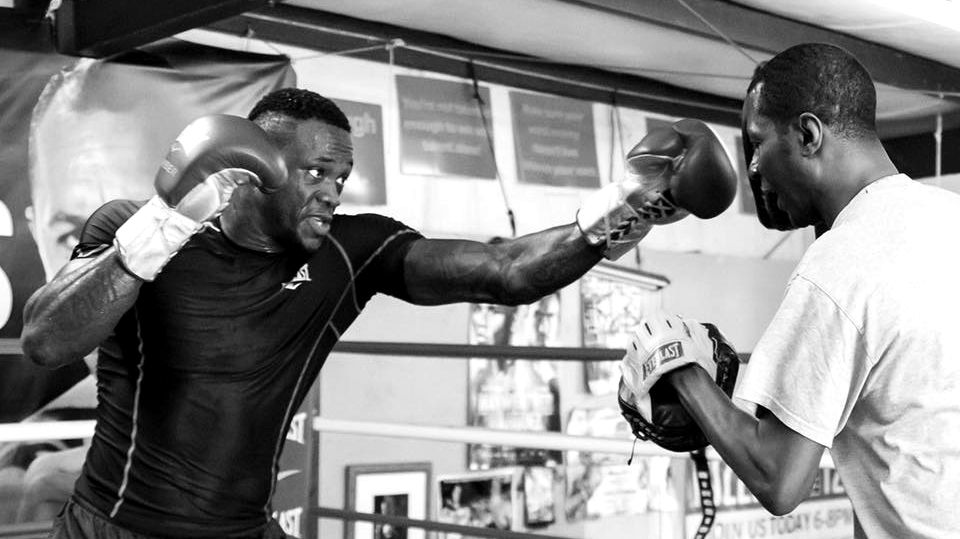
Fighters must prioritize keeping their chin tucked firmly down and their elbows tucked tightly against their ribs. When the punch is initiated, it should snap outward like a whip. Simultaneously, the lead shoulder must rise to brush against the chin, effectively shielding the left side of the face from incoming counters. Throughout this motion, the rear hand must remain glued to the jaw for protection, and the lead hand must snap back to the guard position instantly upon impact or retraction.

A common pitfall that gives away an impending strike is telegraphing, which often occurs when a fighter flips their hand over too early in the punching arc. This premature rotation causes the elbow to flare outward, giving a sharp-eyed opponent an immediate visual cue that an attack is incoming. While intentional elbow-flaring can occasionally be utilized as a deceptive tactic when throwing feints, a true, damaging jab requires crisp, hidden mechanics. Because a properly thrown jab carries genuine impact, mastering these precise technical fundamentals is non-negotiable.
Tactical Variation: Keeping the Opposition Guessing
Relying exclusively on a standard, predictable jab is a recipe for disaster against elite competition. Even the most technically sound straight punch will quickly be figured out by a skilled opponent, who will inevitably begin timing the rhythm and launching devastating counters. To maximize the effectiveness of the jab, a fighter must introduce tactical variation, seamlessly mixing up their delivery to keep the adversary guessing round after round.

The basic jab, while simple, remains a fighter’s best friend for sneaking in and out of critical scoring range. Boxers must practice throwing this foundational punch while moving laterally, working fresh angles that force the opponent to constantly readjust and expend valuable energy. Stepping forward slightly as the punch is thrown adds crucial leverage and velocity while keeping the attacker outside the immediate danger zone of counter-punches. However, fighters must remain mindful that aggressive lunging can overly widen their stance and compromise their overall balance.

Leaning too far forward or dropping the rear hand while stepping in creates dangerous defensive vulnerabilities. For athletes blessed with an exceptional reach, utilizing a pawing jab—a technique famously employed by legendary champions like Thomas Hearns—offers a masterclass in distance management. By leaving the lead hand extended momentarily after the punch lands, a fighter can effectively obscure their opponent’s vision and disrupt their sightlines, though they must remain cautious of potent overhand counters.

Targeting the Body to Wear Down the Opposition
While the head is the primary target for most knockout artists, incorporating the body jab into a tactical strategy yields immense dividends over the course of a long fight. Executing a body jab requires the fighter to drop their center of gravity and dip low. Unless the opponent reads the movement and counters with a matching low strike, they will typically punch harmlessly over the attacker’s head.

The primary target for this maneuver is the solar plexus, located just at the top of the stomach. If timed correctly so that the opponent is simultaneously stepping forward into the punch, the blow can easily steal the wind from their lungs, instantly altering the momentum of the exchange.
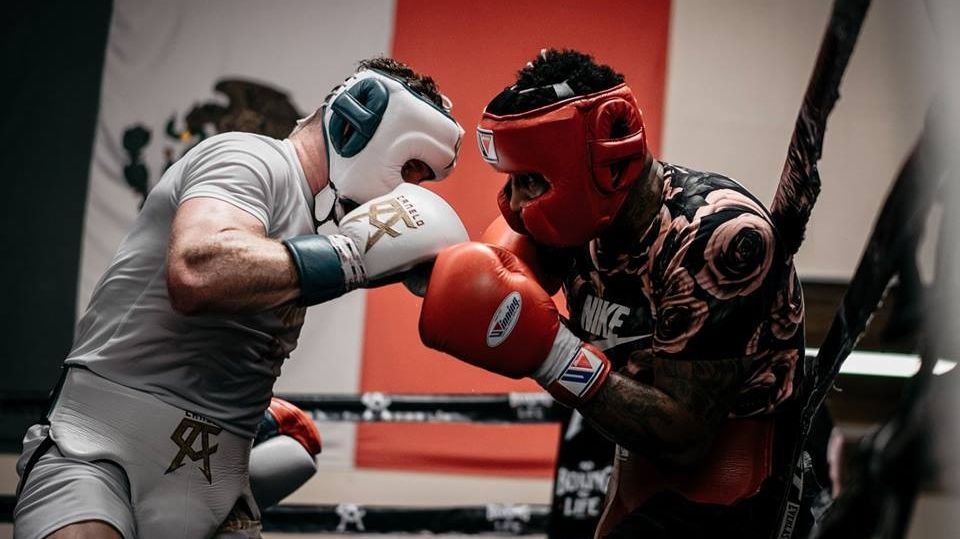
This tactic serves as an ideal way to start a fresh round, forcing the opponent to miss while simultaneously draining their stamina. It plants a psychological seed of hesitation, making them wary of the jab right out of the gate. While a body jab is rarely a one-punch knockout weapon, its persistent application gradually wears down, exhausts, and demoralizes the adversary.

Fighters who rely on a high, rigid guard are particularly susceptible to this type of offensive pressure. As the punch is delivered, the attacker steps in with the lead foot and immediately bounces back out with the rear foot upon impact, all while keeping the rear hand defensively plastered against the side of the face to guard against sudden counters.

Managing Speed, Power, and Ring Pressure
A frequent mistake made by beginners is attempting to put maximum power into every single punch thrown. Such an approach leads to rapid fatigue and unnecessary energy depletion, especially given that a high percentage of punches during a professional bout will either miss their mark or be successfully blocked. Instead, incorporating occasional lighter shots—often referred to as taps—keeps an opponent constantly occupied and disrupts their offensive rhythm.

Tapping an opponent’s gloves from the outside creates immediate psychological and physical pressure, frequently driving them backward or provoking an overextended, sloppy swing that leaves them wide open for a counter-attack. Doubling or tripling up on the jab while advancing prevents the opponent from ever settling into a comfortable stance or rhythm.

This lighter variation of the jab is equally vital when a fighter is hurt, fatigued, or fighting off the back foot against an aggressive opponent trying to close the distance. Requiring minimal physical exertion, the tap creates vital breathing room. Moving toward the outside of the opponent’s body—away from their favored power hand—while flicking out varied jabs is a masterclass in survival and control, a strategy famously demonstrated by elite technicians like Vasyl Lomachenko.

When an opportunity presents itself and an opponent leaves a gaping opening, a fighter can instantly transition into a power jab, stepping forward with full body weight and explosive force. Conversely, when pressed by a relentless aggressor, throwing a continuous stream of defensive jabs while evading backward maintains the necessary safety buffer, provided the fighter actively changes angles to avoid getting trapped against the ropes.

Building Power and Consistency Through Dedicated Training
Developing a world-class jab requires unwavering dedication to repetition and physical conditioning. Incorporating explosive physical exercises such as plyometric pushups, medicine ball chest passes, and heavy sledgehammer training into a routine significantly enhances upper-body speed, rotational power, and punch endurance.

Ultimately, the most common error associated with the jab is simply underutilizing it. Fighters must commit to firing the weapon continuously, even when the opponent appears to be slightly out of range, ensuring that the constant threat of the incoming fist keeps the adversary perpetually hesitant to step forward.