

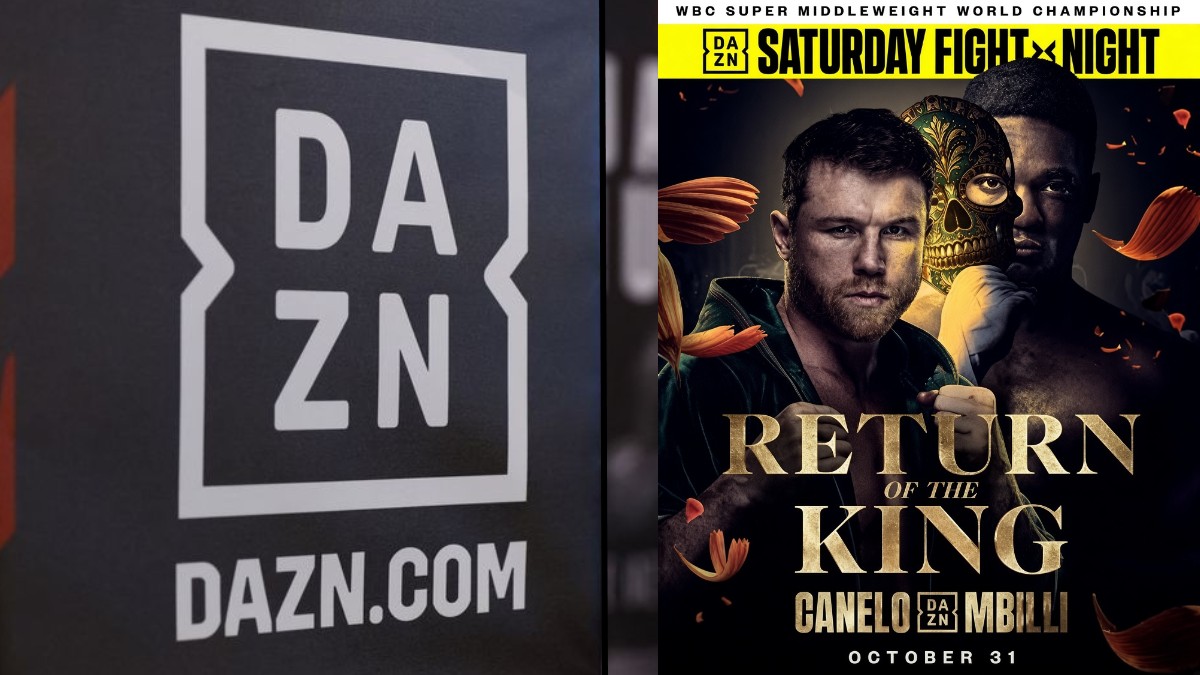
OPINION — DAZN’s recent high-profile pay-per-view coverage of the blockbuster showdown between Canelo Alvarez and Christian Mbilli has left paying boxing fans exasperated, triggering a fresh wave of complaints over lengthy broadcast delays, prolonged studio segments, and excessive talking. The backlash has once again amplified calls for a comprehensive overhaul of how major fight cards are presented to television and streaming audiences worldwide.
Across social media and industry forums, dissatisfied viewers increasingly described the multi-hour broadcast as an extended podcast rather than a premier live sports event. Rather than focusing on the athletes, the training camps, and the immediate drama of the canvas, the production repeatedly cut away to lengthy studio panels that interrupted the natural momentum of the evening.
The frustration reached a boiling point during Saturday night’s event in Riyadh, Saudi Arabia, as paying customers questioned why they were forced to spend hours watching studio presenters rather than the fighters warming up for battle.
One exasperated fan took to social media to voice a sentiment shared by thousands: "DAZN, we are all begging you please don’t make us sit through another 2 hour frickin podcast of yappery before the Canelo fight starts PLEASE. It’s so hard to get people into live boxing cos of this nonsense."
Another subscriber vented direct criticism at the broadcast lineup and analysis style: "Is this a boxing card or a podcast? Enough overanalyzing. More fights, less talking. Paying customers deserve better."
The dissatisfaction was not limited to casual viewers. Former World Boxing News lead writer Dan Rafael weighed in with his own sharp critique, expressing deep frustration with the erratic pacing of the pay-per-view broadcast.
"As usual, the pacing on this PPV is awful. They walked the opener with Tsutsumi about 40 minutes later than advertised. The FIRST fight! Podcasts after that stoppage. And now with Espinoza early KO get ready for another long podcast before the co-feature. Very frustrating," Rafael posted on Facebook.
Rafael’s pointed critique materialized well before Canelo Alvarez made his traditional ring walk, proving that the discontent regarding the running order had festered early in the evening during the preliminary and undercard bouts.
DAZN Fight Delays and Behind-the-Scenes Friction
As the night progressed, industry insiders also began to question the operational decisions driving the broadcast schedule. Veteran boxing journalist Steve Kim raised concerns that the running order of the card was being intentionally manipulated or delayed to accommodate high-profile dignitaries arriving at the venue.
"So this card is being delayed for Turki to show up. Yeah, this undercard is so bad he doesn’t even want to be there," Kim posted on social media, pointing directly to Riyadh Season architect Turki Alalshikh.
Other fans echoed the sentiment, noting that the main event ring walks were pushed back an hour later than originally advertised. Several viewers resorted to mocking the network’s production choices, ridiculing the prominent physical couch rolled out for the broadcast team’s endless between-fight chatter.
This public outcry points to a systemic issue that extends far beyond a single isolated event. Modern combat sports fans demand seamless, action-packed entertainment, and their growing impatience with traditional television padding is becoming impossible for major broadcasters to ignore.
WBN’s Take on Broadcast Fatigue and Venue Atmosphere
Watching the broadcast coverage from afar has become an exercise in patience for industry veterans. For World Boxing News, navigating the non-fight portions of DAZN’s broadcasts increasingly involves reaching for the mute button when viewing remotely.
The decision by international media outlets to monitor events from afar is sometimes influenced by practical considerations. For instance, mounting security concerns and geopolitical tensions surrounding high-profile events in the region can make remote coverage a safer and more pragmatic alternative to traveling ringside.
By contrast, traditional boxing meccas like Las Vegas or New York offer an unmatched live spectacle. WBN has reported ringside from the Las Vegas Strip numerous times, where the electric atmosphere inside the arena captures the true essence of the sport. New York follows closely behind as a historic battleground for world championship boxing.
Consequently, the comparatively muted, studio-heavy presentation emanating from international locations holds limited appeal for purists, especially when the alternative is enduring hours of redundant DAZN studio filler.
Compounding the problem is the superficial nature of the analysis. The commentary and studio segments often fail to deliver the deep, expert-level insights that justify the time commitment, a flaw made glaringly obvious by the sheer volume of dead air time producers must fill between bouts. The entire production structure frequently strikes viewers as tone-deaf to the realities of contemporary sports consumption.
DAZN Changes Needed to Retain Subscriber Loyalty
The core of the issue lies in a perceived disconnect between corporate leadership and the audience footing the bill. Either the executives running DAZN have failed to recognize the mounting frustration surrounding their broadcast format, or they lack the institutional flexibility required to implement meaningful reforms.
Subscribers frequently feel like an afterthought in a business model that prioritizes corporate padding and production bloat over fan engagement. If network decision-makers regularly audited what works and what drives viewers away, much of the repetitive studio filler would have been excised from broadcasts long ago.
DAZN has undoubtedly invested heavily to secure its position as a dominant force in modern professional boxing. However, massive financial commitments do not automatically translate to successful viewer experiences. The broadcaster desperately needs tighter discipline, faster fight turnarounds, and a drastic reduction in unnecessary microphone time between bouts.
Ultimately, boxing fans purchase pay-per-views and maintain subscriptions to watch elite athletes fight, not to sit through hours of panel discussions. Until network leadership begins respecting that fundamental distinction, the wave of public criticism is unlikely to subside.