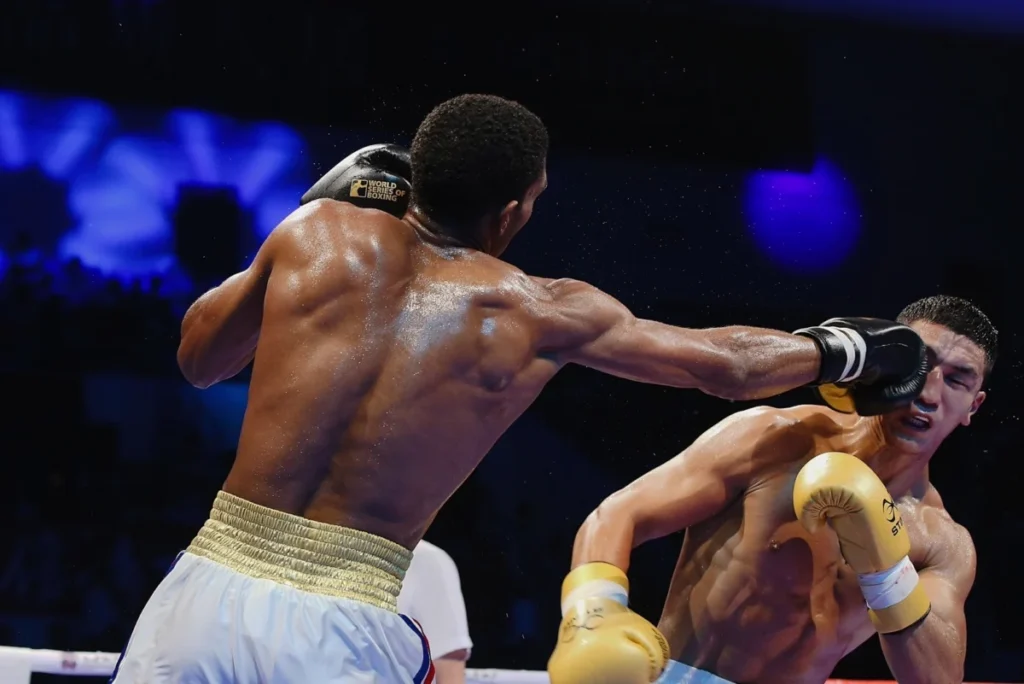


Few elements of professional boxing generate as much fiery debate, passionate argument, and outright controversy as the sport’s scoring system. Every so often, a major bout ends with a verdict that leaves fans, analysts, and fighters alike scratching their heads in absolute disbelief. Given the bewildering decisions that are occasionally handed down by judges, it is easy for followers of the sweet science to feel frustrated. Yet, these strange anomalies tend to be the exception rather than the rule, overshadowed by the countless bouts that proceed without controversy across the globe every single week. Still, for the casual observer or the average person watching a high-stakes championship fight for the first time, understanding how the judges arrive at their final scores can feel remarkably confusing.

At the core of professional boxing lies the 10-Point Must System, a standardized scoring framework designed to determine the winner of each individual three-minute frame. The fundamental principle of this system dictates that the winner of a given round is awarded 10 points, while the losing fighter is typically awarded 9 points, resulting in the standard 10-9 scoreline. This scoring dynamic remains consistent throughout the vast majority of rounds, provided there are no infractions requiring a point deduction. On rare occasions, a round might be scored even at 10-10, though judges and commissions apply this score sparingly, usually reserved for frames where neither fighter gains any discernible advantage.

When infractions occur or extreme shifts in momentum take place within a single round, the math changes through point deductions. The most common cause for a mandatory point deduction is a knockdown, where a fighter is sent crashing to the canvas by a legal blow. Under standard regulations, a knockdown results in an automatic one-point deduction for the fighter who touched the canvas, meaning a round that might have been closely contested could easily become a 10-8 round if one knockdown occurs. Additional knockdowns within the same round trigger further point deductions for the penalized fighter. However, if both combatants manage to score knockdowns against each other during the same three-minute stanza, the knockdowns effectively cancel one another out, reverting the scoring back to a standard baseline unless other fouls occurred.

While the fundamental architecture of professional boxing’s scoring framework is straightforward, the human element introduces complexity. The system relies entirely on the subjective interpretation of human judges sitting ringside, whose vantage points and personal evaluations of action can occasionally diverge wildly from the consensus of the viewing public. Critics often point out that the system cannot protect itself from human error or biased interpretation, leading to public outcry when arbiters award points in ways that baffle observers. In simple terms, the mathematical structure works efficiently: ten points for the victor of the frame and nine points for the vanquished is easy enough to grasp. The friction arises when judges must interpret nuanced exchanges, deciding whether a flurry of blocked punches outweighs a single, clean counter-shot.

Beyond the jurisdiction of the ringside judges are the rulings of the referee, who holds the absolute authority to instruct score keepers to deduct points for intentional or unintentional fouls. Referees monitor for a wide array of prohibited actions, ranging from excessive holding and clinching to deliberate low blows, rabbit punches to the back of the head, and hitting after the bell has sounded. While referees frequently issue verbal warnings or formal cautions to fighters before penalizing them, they are under no obligation to issue a warning before docking a point for a flagrant violation. Fortunately, the majority of professional bouts feature clean competition without such major indiscretions, leaving the final outcome entirely in the hands of the three judges evaluating the action from the perimeter of the ring.

When evaluating how judges score a fight, several primary criteria heavily influence their decision-making process. These factors typically revolve around a dominant fighter’s overall command and execution inside the squared circle. Judges consistently look for ring generalship, which encompasses a fighter’s ability to control the physical space of the ring, dictate the tempo and pace of the bout, and force their opponent to fight at an uncomfortable rhythm. Alongside ring generalship, judges reward effective aggression, recognizing the competitor who constantly moves forward, initiates exchanges, and pressures their opponent, provided that their offensive output is measurably more impactful than that of the person fighting on the back foot.

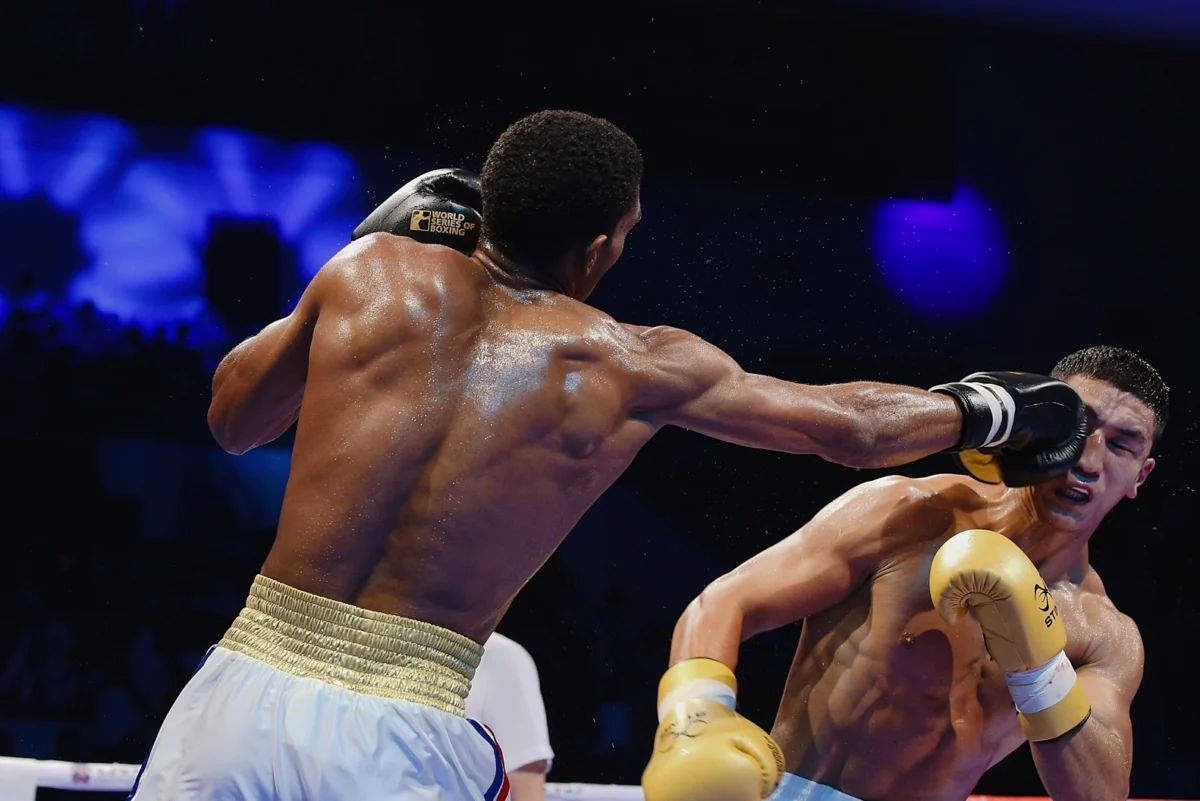
Power and clean punching accuracy also carry immense weight with ringside judges. Impressive, damaging punches that visibly stun an opponent, accurate multi-punch combinations, and high punch volume—as long as those strikes connect cleanly rather than simply hitting the opponent’s guard—are remembered vividly when the time comes to tabulate scores at the end of a round. Conversely, a master of defense who successfully mitigates incoming damage while countering with sharp, precise scoring blows will also find favor with the judges. Historical greats such as Vasyl Lomachenko and Floyd Mayweather Jr. serve as prime examples of elite defensive tacticians who built legendary careers on the principle of hitting and not getting hit, demonstrating that defense can be just as lucrative on the scorecards as brute aggression.

For fans who have ever struggled to comprehend how specific fight decisions are reached, examining the mechanics of the judging panel provides logical clarity. Every professional bout features three independent judges positioned at different angles around the ring. This multi-judge setup allows the sport to employ a majority rule to determine the winner. If two out of the three judges agree on a specific outcome, their consensus overrides the dissenting scorecard of the third judge. Although fights can fundamentally end in one of three absolute outcomes—a win, a loss, or a draw—the combination of the three independent scorecards creates five distinct types of official decisions announced at the conclusion of a match.

A unanimous decision occurs when all three judges score the bout in favor of the exact same fighter, reflecting a clear and undisputed winner. A majority decision is declared when two judges score the contest for one fighter, while the third judge scores the bout a draw. A split decision represents the narrowest margin of victory, happening when two judges award the win to one fighter, while the third judge scores the bout for the opposing competitor. On the draw side of the spectrum, a majority draw takes place when two judges score the match even, and the third judge awards the win to either fighter. Finally, a split draw occurs when one judge scores the fight a win for the first competitor, a second judge scores it a win for the second competitor, and the final judge rules the bout an even draw.

Fighters aiming to secure the favor of the judges must master a specific set of tactical priorities. Beyond landing heavy punches and demonstrating effective aggression, successful competitors focus on the economy of their shots, ensuring that every movement serves a strategic purpose rather than wasting energy on empty air. Intelligent fighting, ring awareness, and the ability to steal close rounds through late-round surges or eye-catching combinations all play a vital role in swaying a judge’s perception during a tightly contested match. While boxing’s scoring system occasionally faces fierce criticism and accusations of being flawed, it remains the most trusted and enduring method for separating a winner from a loser in the world’s premier combat sport. As long as boxing remains a test of human will and physical skill, the 10-Point Must System will stand as the ultimate framework for measuring greatness inside the ring.