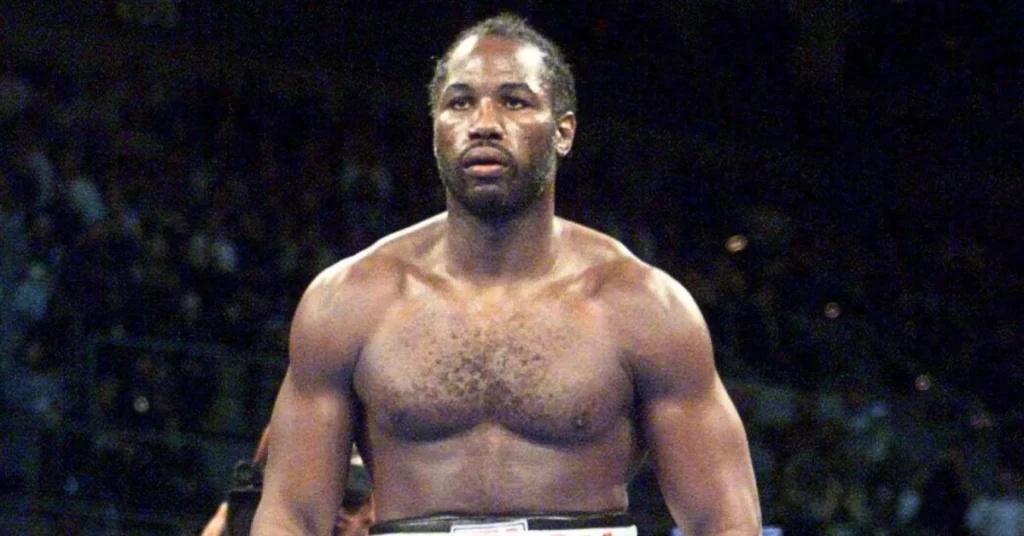


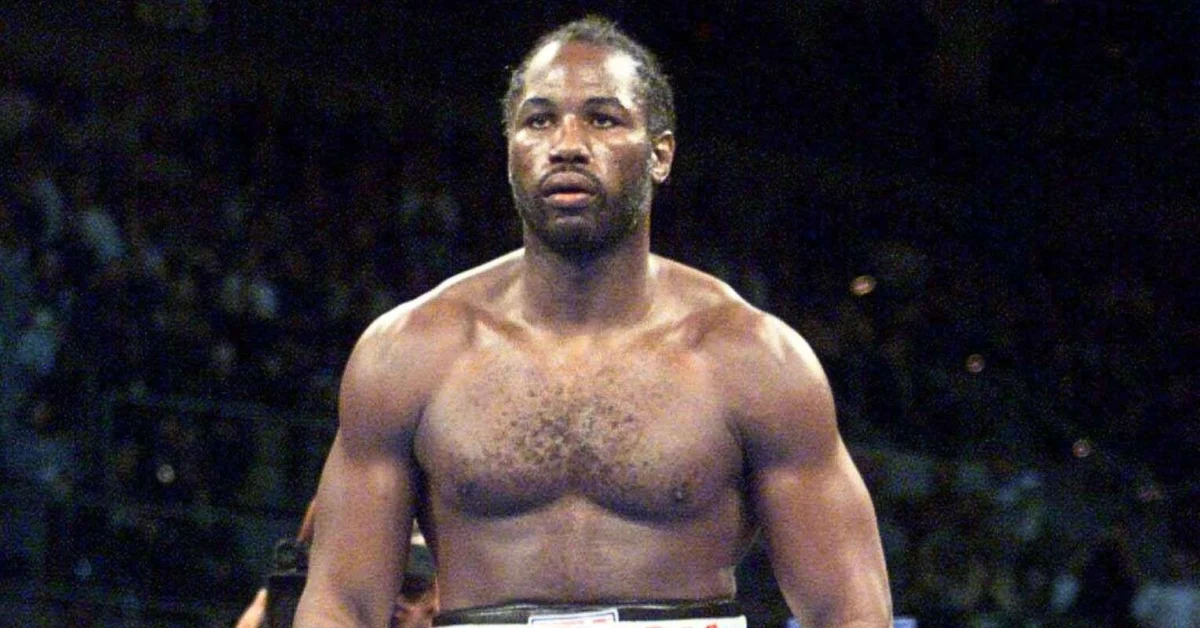
Lennox Lewis stands firmly in the history books as one of the most dominant and complete heavyweight champions of the modern era. Standing at six-foot-five with a commanding reach, an educated and thumping jab, sublime technical skills, and a brilliant tactical ring IQ, Lewis systematically conquered his division. He became the undisputed heavyweight champion of the world and defeated virtually every elite contender of his generation, establishing a legacy of excellence that few could rival.
Yet, the brutal theater of professional boxing spares no one. Even the most gifted and decorated fighters remain perpetually vulnerable, particularly when the invisible trap of complacency takes hold and an elite champion overlooks a hungry challenger.
The Setup: A High-Stakes Tune-Up in South Africa
In April 2001, Lennox Lewis traveled to South Africa to make a routine defence of his heavyweight crown against Hasim Rahman. At the time, the boxing world was not looking at Rahman as a significant threat. Instead, the global media and the promoters were already looking past him, heavily focused on a lucrative, multi-million-dollar mega-fight that was actively being negotiated between Lewis and the legendary Mike Tyson.
For Lewis and his team, the bout in Johannesburg was viewed primarily as a dangerous but necessary hurdle—a glorified tune-up designed to keep the champion sharp, cash a massive paycheck, and pave the way for the Tyson showdown.
Hasim Rahman, nicknamed "Rock," was undeniably a skilled and respectable professional, but his resume lacked the pedigree of a championship contender. He had never before fought for a world title, and as he stepped through the ropes into the South African ring, oddsmakers and pundits installed him as a massive 15-to-1 underdog. The consensus among observers was simple: Lewis would navigate the early rounds, find his range, and eventually dispatch the challenger with relative ease.
Distractions, Altitude, and Lack of Preparation
Behind the scenes, however, the champion’s preparation was far from ideal. "The Lion" had spent a significant portion of his pre-fight training camp distracted by cinematic ambitions, filming a role for a movie rather than maintaining absolute focus on his athletic regimen. Furthermore, Lewis arrived in Johannesburg unusually late, failing to give his body adequate time to adjust to the high altitude and the unique environmental conditions of the region. He was visibly under-prepared for the physical demands that awaited him in South Africa.
Rahman, conversely, approached the opportunity with a completely different mindset. Unburdened by the pressures of global superstardom and fueled by the hunger of a lifetime, Rahman arrived in the country early. He fully acclimatized to the altitude, locked himself into a rigorous and disciplined training camp, and arrived in peak physical condition, utterly determined to seize the moment of a lifetime.
The Shocking Upset in Round 5
When the opening bell rang, the contrast in preparation immediately manifested inside the ring. Lewis looked uncharacteristically sluggish, flat-footed, and devoid of his usual sharp timing and fluid movement. Rahman, sharp and energized, pressed forward with purpose, sensing that the champion was vulnerable.
As the fight progressed into the fifth round, the seismic shockwave of the evening arrived. Rahman stepped into range and uncorked a devastating, clean overhand right that caught Lewis flush on the jaw. The impact was catastrophic. The undisputed champion went down hard, crashing to the canvas in a heap. He was completely unconscious, unable to beat the referee’s count.
The arena fell into a stunned silence before erupting into pandemonium. It was instantly cemented as one of the greatest and most shocking upsets in the history of the heavyweight division. Hasim Rahman was crowned the new champion of the world, though his reign at the top would prove to be brief.
Redemption and the Rematch
The devastating defeat served as a harsh wake-up call for Lewis, who wasted no time enacting his contractual rematch clause. Later that year, a thoroughly refocused and intensely driven Lewis stepped back into the ring with Rahman to reclaim what he had lost. This time, there would be no Hollywood distractions, no altitude excuses, and no room for complacency. Lewis executed a calculated and destructive game plan, ultimately knocking Rahman out in a brutal fashion to recapture his lost championship belts.
Reflecting on that dramatic two-fight saga years later, Lewis opened up about the emotional toll of the upset and the grueling path to redemption:
"When Hasim Rahman knocked me out in 2001, it was the lowest point of my career," Lewis recalled. "I’d been champion, undefeated for years, and I got careless. People said I was done, that I’d never get the title back. I took it personal, he talked about my mom, my life, and I couldn’t let that stand."
The pain of the defeat fueled an obsessive desire to correct the record, transforming the training camp into a grueling test of will.
"Training for the rematch was hell, I had to prove I wasn’t a fluke," Lewis said. "When I knocked him out in the fourth round, it wasn’t just about the belt, it was about showing the world I could come back from a loss and still be the best. That’s what boxing is: you fall, you rise."