
When strength coach Ken Jakalski incorporates kettlebells into his athletes’ regimens, he does so with a clear-eyed perspective. Influenced by prominent figures in the strength community like Pavel Tsatsouline and Dan John, Jakalski appreciates the undeniable utility of the cast-iron weights. Yet, he is quick to dismiss the notion that kettlebells represent a magical, superior protocol that outperforms traditional strength-training methods. Instead, he views them as just one of many valuable tools in a comprehensive athletic development program.
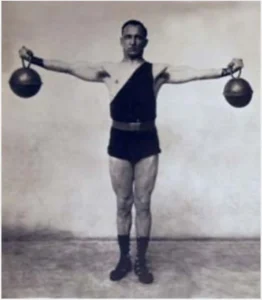
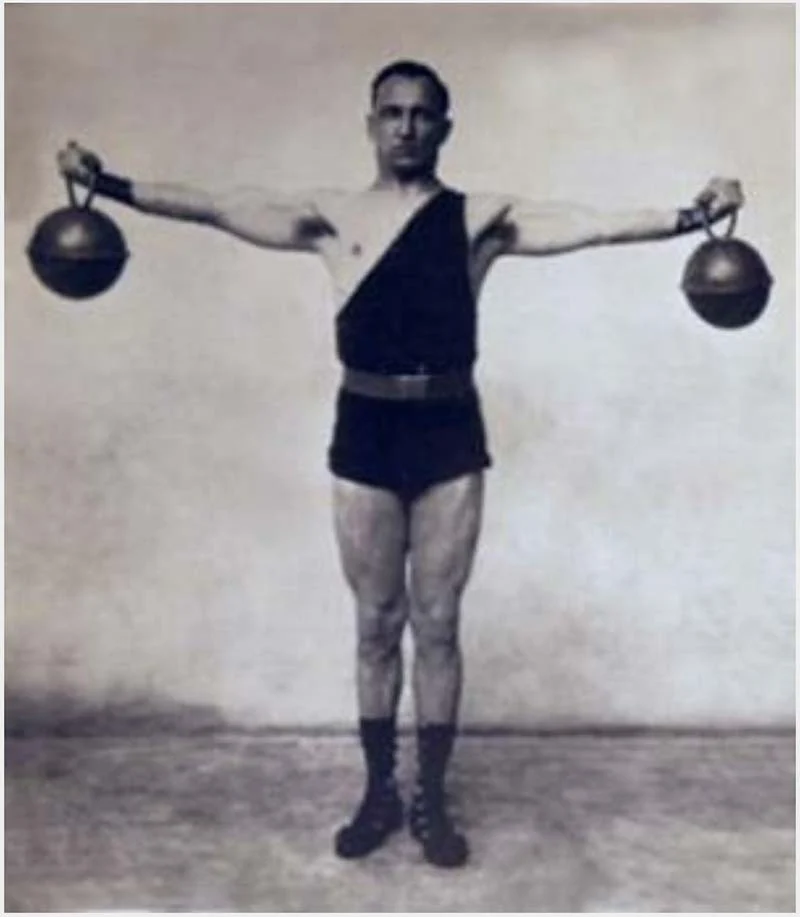
The modern fascination with kettlebells often traces back to their reintroduction to American trainers as a secret conditioning method used by Russian special forces. However, historical analyses suggest a much more colorful and less clandestine origin. According to researcher David Landau, kettlebells are historically linked to the worlds of the circus, vaudeville, and old-school showbiz, rather than elite military science.
Landau has characterized kettlebells as a form of theatrical entertainment—rudimentary weighted implements that possess several mechanical and structural deficiencies. This perspective challenges the persistent myth surrounding the apparent superiority of Eastern Bloc training systems. Popular culture, reinforced by cinematic tropes like the high-tech, diagnostic-driven training regimen of the fictional Russian boxer Ivan Drago in Rocky IV, often creates an inflated impression of sophisticated sports science behind the Iron Curtain.
The reality of Soviet-era training, however, was far more utilitarian. In his book Soviet Training and Recovery Methods, Rick Brunner notes that the actual conditions under Soviet athletics were remarkably low-tech. Athletes typically trained in rustic barns and damp basements, utilizing improvised equipment crafted from discarded railroad axles, and running through deep winter snow. Many Soviet athletes of that era had never interacted with a computer, let alone high-tech diagnostic machinery.

Visitors to Russia in the 1980s observed athletes training with crude, primitive equipment and relying on dog-eared stacks of bodybuilding magazines for theoretical guidance. The strength implements of the era included standard barbells, isometric racks, and irregular weights that bore a resemblance to early kettlebells. Consequently, the kettlebells used today are not the products of advanced biomechanical laboratory research, but rather descendants of basic, traditional gym equipment recognized by historical lifters to have distinct operational limits. As weightlifting pioneer Alan Calvert once observed, a trainee who purchases a single kettlebell under the illusion that it can completely develop every muscle group to its maximum potential is bound to be disappointed.
Despite these recognized limitations, these cast-iron spheres with handles remain a staple in training facilities worldwide. Proponents of kettlebell training put forward several compelling arguments regarding their unique benefits. John Powers, a notable advocate, points out that a primary advantage of kettlebells over conventional dumbbells, barbells, and selectorized machines lies in the dynamic and ballistic nature of the movements they facilitate.
Athletes utilizing kettlebells can seamlessly transition between lifting, pushing, pulling, and reaching exercises. The most significant training benefit, according to supporters, is the sustained demand for inter- and intramuscular coordination alongside heightened kinesthetic awareness. Because kettlebell movements engage multiple muscle groups and joints simultaneously, the core, hips, and primary stabilizing muscles are subjected to continuous, dynamic engagement throughout the entire range of motion.
Prominent strength coach Dan John often emphasizes the foundational value of mastering these ballistic patterns, noting that teaching a proper kettlebell swing and encouraging fundamental hinge mechanics yields immediate performance benefits. For John, the kettlebell swing remains a preferred choice for both metabolic conditioning and general physical preparedness among athletes.

In his own coaching practice, Jakalski utilizes kettlebells as an effective physiological and technical bridge toward more demanding primary lifts. These include hexagonal trap bar deadlifts, single-leg deadlifts, single-leg cleans, and weighted step-ups. Kettlebells serve as an accessible entry point to introduce complex movement patterns safely. Among his preferred instructional tools are the goblet squat and the classic kettlebell swing, which prepare athletes for heavier loaded variations.
Historical documentation supports the integration of these implements into broader physical education frameworks. An article published in the 1984 Soviet Weightlifting Yearbook titled "Kettlebell Lifting as an Effective Means of Physical Education" highlighted their broad applicability. The report concluded that kettlebell training was uniquely suited for multi-sport conditioning due to the capacity for individual workouts, technical simplicity, low financial barrier to entry, and adaptability across diverse age groups. The authors argued that regular kettlebell lifting effectively develops foundational physical qualities and enhances overall work capacity.
Yet, despite widespread adoption and enthusiastic endorsements from modern practitioners, the core question remains: Is the kettlebell a revolutionary implement that transforms athletic performance, or is it simply an old concept repackaged for modern consumption?
Jakalski’s philosophy aligns closely with the warnings voiced by veteran track and field coach Henk Kraaijenhof regarding fitness trends that amount to little more than old wine in new bottles. Jakalski integrates kettlebells into his programs because his athletes enjoy utilizing them, not because he views them as inherently superior to traditional barbells or dumbbells.

Ultimately, kettlebells represent one valid approach among a vast spectrum of methodologies available to strength and conditioning professionals. Summarizing the balanced view required in modern coaching, sports scientist Mel Siff once noted that kettlebell training can be exceptionally effective and enjoyable, much like barbell, dumbbell, or any other form of resistance training. The key for any practitioner is to maintain perspective, avoiding the dogmatic fanaticism that blinds coaches to the merits of alternative training modalities.