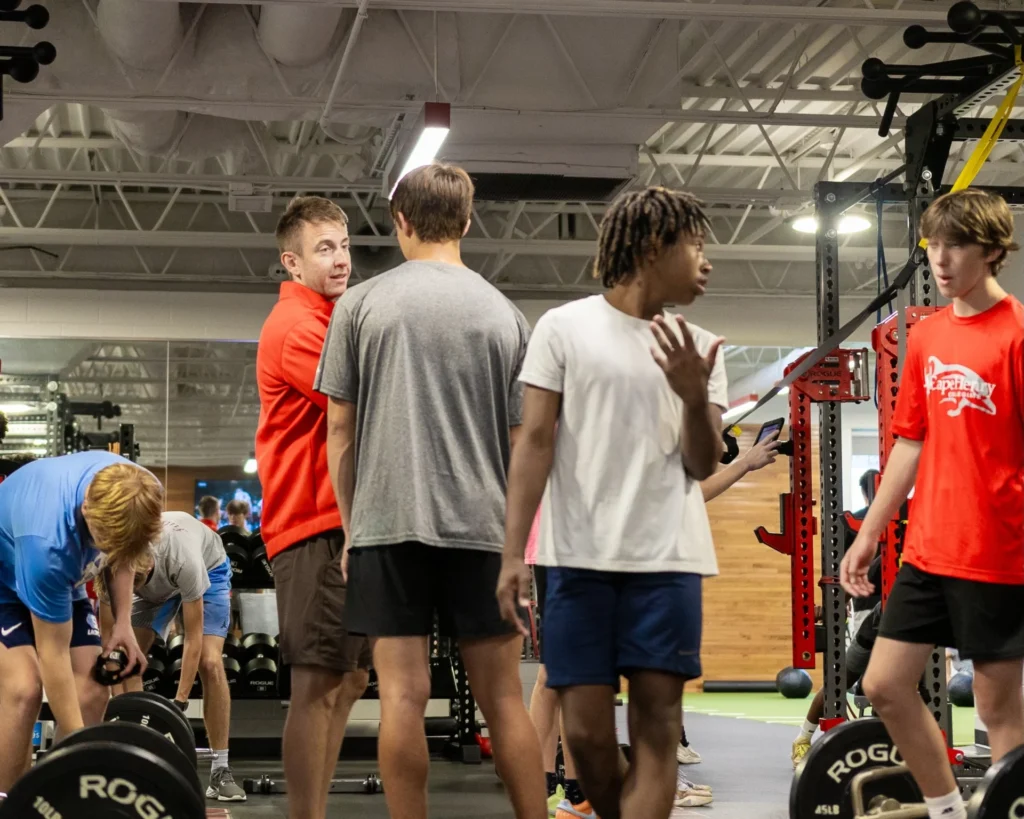


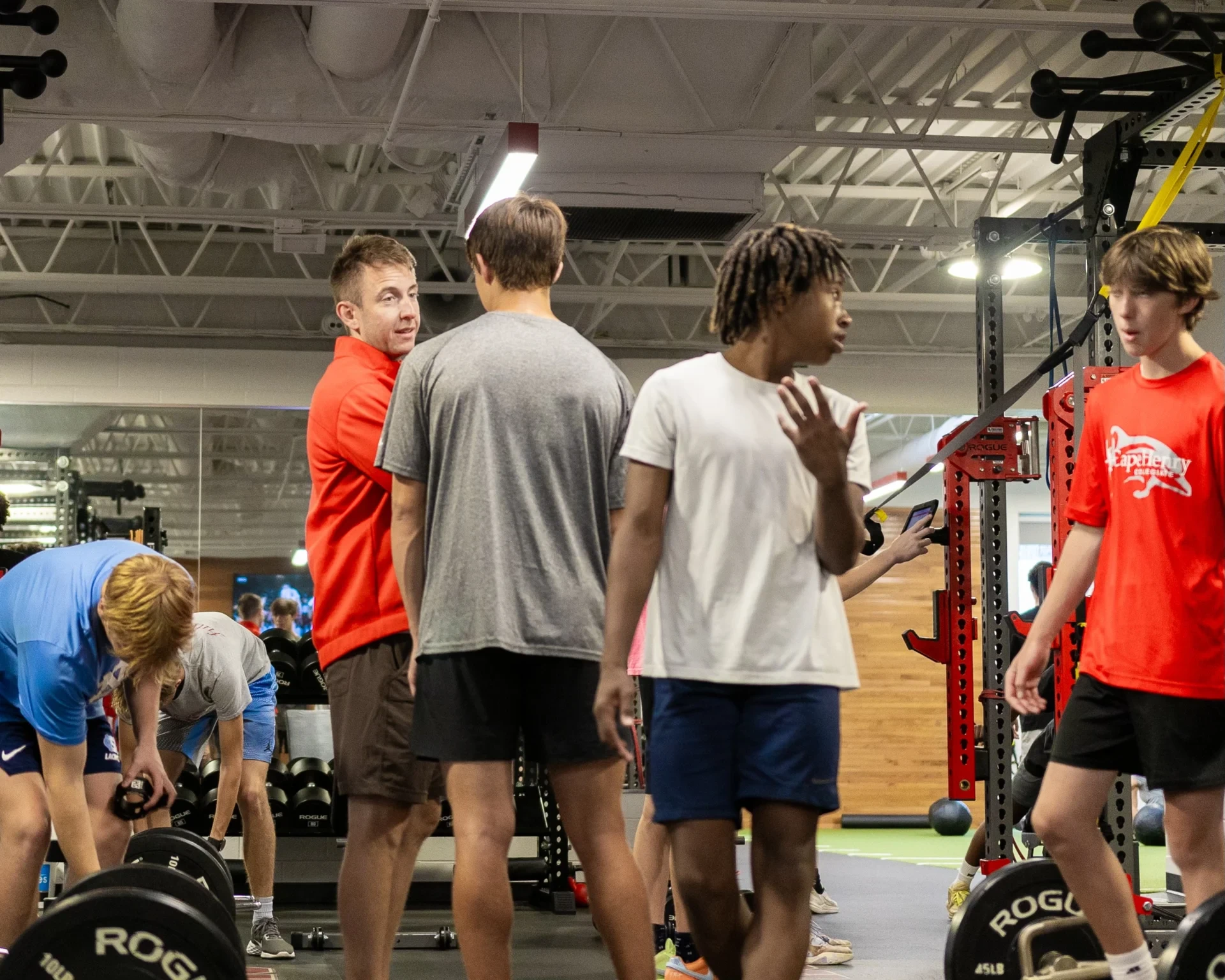
Throughout a career spanning NCAA Division I athletics, the NBA, international competition, and youth development, one underlying constant has become abundantly clear to elite coaches: the athletes who experience the most sustained success over time are those who adhere to simple systems, unwavering consistency, and a high level of commitment.
Unfortunately, youth athletes typically encounter the exact opposite environment. A single young athlete often plays under the direction of a high school coach, a club coach, and competes across multiple sports and levels simultaneously, sometimes all within the same week. These coaches rarely coordinate with one another or even acknowledge each other’s existence, while deficient training foundations further compound the complexity of the modern sports landscape. Furthermore, both sports coaches and performance trainers frequently chase fatigue under the guise of "speed and agility," driving young athletes to seek out muscle soreness, pay for haphazard training from unqualified instructors, and follow fleeting social media trends.

This chaotic ecosystem is the reality inherited by modern athletic development professionals, making it the responsibility of coaches to focus on solutions and design systems that genuinely foster long-term progress. Over years of practical application, coaching philosophies have shifted toward a streamlined approach: full-body training distributed across the week, with a distinct emphasis for each individual day. When paired with maximum-effort and repeated-effort rep schemes, velocity-based training (VBT) has emerged as one of the most valuable tools available for bridging the gap between physical capacity and neurological execution.
For experienced practitioners, VBT is less about numbers on a screen and more about cultivating genuine intent. It provides athletes with immediate feedback, teaching them to move with a clear sense of purpose. Youth athletes must constantly adapt to rapid changes in physical growth, coordination, and body awareness, meaning training the nervous system is just as crucial as developing raw strength. Rather than forcing athletes to adhere to rigid, arbitrary percentage models, velocity-based monitoring allows trainers to adapt to an athlete’s daily readiness, manage cumulative fatigue, and maintain high levels of engagement.
Why Full-Body Training Works Best for Young Athletes
One of the most prevalent mistakes observed in youth performance training is the attempt by athletes, coaches, and families to maintain an unrealistic training schedule. Young competitors must navigate a demanding year-round calendar featuring practices, games, travel, academic stress, inconsistent sleep habits, and irregular nutrition, alongside medical appointments, orthodontic visits, family vacations, and daily distractions. When athletes inevitably miss training sessions due to these unavoidable factors, traditional programs often falter.

Coaches frequently emphasize the classic principle that the best training program is simply the one an athlete can actually maintain. Asking young competitors to follow a traditional four-day upper/lower split almost invariably leads to missed sessions each month, drastically reducing total training volume and limiting overall development. The problem is exacerbated further when prescribing traditional body-part splits. Missing a scheduled chest day in a specialized routine means that specific muscle group may not be targeted again for an entire week. These rigid structures simply lack the flexibility required to survive the chaotic calendar of youth sports.
In contrast, a three-day full-body training structure addresses every major movement pattern and muscle group during each session. Programs of this design easily absorb a missed workout without severely disrupting the overall volume or stalling athletic progress. A three-day schedule provides athletes with a full seven-day window to complete three workouts, a standard that remains consistently achievable even amid the demands of school and competitive sports.
Beyond scheduling practicality, the most impactful and frequently underestimated quality of full-body training is its profound motor learning effect. Strength training is fundamentally a skill, much like developing a jump shot or a golf swing. Athletes refine movement patterns through repeated exposure and consistent practice. The more frequently a young competitor safely performs squats, hip hinges, pushes, pulls, sprints, and stabilization drills, the more technically efficient they become.

This motor learning effect is particularly pronounced when working with athletes approaching or experiencing their peak height velocity phase of maturation. During this accelerated developmental stage, an adolescent’s limbs lengthen rapidly while the nervous system works to catch up. The sudden and largely unpredictable shifts in bodily proportions frequently complicate self-organization, creating the temporary phase of awkwardness commonly associated with teenage growth spurts. Research in youth development indicates that athletes navigating this phase benefit significantly from relatively high volumes using submaximal loads. Each repetition helps establish vital neurological pathways, assisting the young athlete in organizing their movements within a controlled environment.
By utilizing full-body training sessions, coaches secure more consistent exposure to multi-joint patterns. Much like studying an academic subject or mastering a sport-specific skill, continuous exposure remains essential. While many trainers cite enhanced recovery opportunities as an advantage of full-body routines, young athletes often repurpose their supposed "free time" for additional sport practices, academic responsibilities, or extracurricular activities, meaning true physical recovery is often limited. Because youth competitors can frequently tolerate a high baseline of daily activity, freeing up space in their weekly schedules is a massive advantage of full-body training. Recovery is ultimately managed through age-appropriate nutritional education, gradual habit development, proper periodization, and careful exercise selection.
The 8/5/3 Method for Strength and Power
Integrating sets and repetitions into a full-body framework requires structured progression across maximum-effort, repeated-effort, and dynamic-effort categories. To govern maximum-effort rep schemes, a specialized framework known as the 8/5/3 method has been developed through a combination of several influential training philosophies.

The efficacy of the 8/5/3 system for young athletes lies in its inherent simplicity. It provides enough variety to sustain long-term progress without overwhelming developing competitors with unnecessary complexity, successfully balancing muscular hypertrophy, strength development, and power output within a structured progression model. The system itself evolved from years of elite coaching experience and subsequent adaptation to the realities of youth athletic environments, drawing structural influences from established programs and practical insights gained from managing large groups with varying training ages.
Through trial and error, coaches working with mixed groups of athletes ranging from ages 12 to 18 in the same training room realized the necessity of a scalable, self-regulating program capable of accommodating wide gaps in physical maturation. Over time, traditional progression models were modified because standard multi-week cycles often left insufficient time in specific rep ranges for younger athletes to fully adapt and progress. By drawing on principles from alternative autoregulatory progressive resistance exercise models and maintaining three-week mini-cycles centered around sets of eight, five, and three repetitions, coaches found an ideal balance. Moderate-to-high rep ranges maintained over the majority of the training year yielded the most significant strength gains for developing bodies.
An added advantage of the 8/5/3 method is that estimating a true one-repetition maximum is entirely unnecessary to conduct a productive training session, making it irrelevant when an athlete joins the program. Although starting with sets of eight is ideal, the inclusion of an "as many repetitions as possible" terminal set allows any athlete to integrate into the training flow immediately. For a completely novice participant with no prior lifting experience, the initial workout may involve nothing more than an empty training bar. Weight is then added progressively during warm-up sets until reaching a load that limits the athlete to roughly ten challenging repetitions on the final testing set. The subsequent week utilizes an estimated one-repetition maximum derived directly from that performance, establishing precise, individualized training weights without guesswork.

The 8/5/3 method serves as the overarching framework for primary maximum-effort exercises such as the bench press, squat, and deadlift, while also guiding accessory movements like chin-ups, pull-ups, split squats, lateral squats, push-ups, and overhead presses. Primary lifts follow the structured rep format, followed immediately by complementary exercises organized around repeated-effort or dynamic-effort schemes.
Defining Velocity-Based Training
Within comprehensive performance models, velocity-based training and dynamic-effort work share the same operational definition: the movement of submaximal loads at maximal intended velocity. Physics dictates that force equals mass multiplied by acceleration. While training programs traditionally focus exclusively on manipulating mass, acceleration plays an equally critical role in developing true athletic capability. Moving submaximal loads at maximum speed assists in weight selection, fatigue management, readiness evaluation, and the enhancement of neuromuscular intent.
A primary advantage of implementing velocity-based feedback is its ability to combat neurological inhibition. Young athletes frequently encounter autogenic inhibition, a protective mechanism associated with structures like the Golgi tendon organs that dampens muscular force output before an athlete reaches their true physical limit. While the precise physiological mechanisms remain studied in sports science, the practical effect observed in the weightroom is unmistakable: the brain acts as a brake before the muscle is forced to stop. Velocity feedback provides immediate, objective targets that encourage athletes to push past this natural hesitation, effectively training the nervous system alongside the muscular system.

Furthermore, VBT assists coaches in adjusting workouts based on an athlete’s real-time physical readiness. Traditional percentage-based training assumes athletes arrive at every session prepared to perform at an identical capacity. In reality, academic stress, sleep deficits, travel, and nutritional variability ensure that physical readiness fluctuates daily. Real-time velocity data reduces the natural drop-off in bar speed across a series of sets while increasing motivation and competitive drive compared to training without feedback.
Integrating VBT into the Training Structure
When incorporating velocity tracking and dynamic-effort work into strength programs, the objective is mutual reinforcement rather than a superficial add-on to maximum-effort rep schemes. Rather than simply raising intensity across a mini-cycle, training volume can be scaled upward over time while systematically shifting velocity targets. Load selection adapts directly to speed metrics rather than fixed percentages. Sessions begin with weights approximating previous successful intervals, followed by upward or downward adjustments based on the velocity reading of the initial working repetition.
If an athlete falls below the designated velocity threshold, indicating the movement is performed too slowly, the load is reduced by a small increment. Conversely, if the bar moves significantly faster than target ranges without physical fatigue, the weight is increased. Minor deviations on a single repetition are standard, but sustained drops in velocity signal the need to reduce the load, eliminate a repetition, or conclude the set early. This built-in autoregulation ensures the weight on the bar responds directly to the athlete’s actual physical performance on that specific day.

Velocity zones function as dynamic starting points rather than rigid universal constants. They apply most reliably to compound, bilateral, and easily loaded movements, such as trap bar jumps, squat variations, bench press throws, or push presses. For unilateral or less easily loaded exercises like split squats, single-arm presses, or certain pulling variations, tracking general training trends across a cycle takes precedence over achieving an exact numerical velocity target, as the load-velocity relationship in single-limb movements exhibits greater individual variation.
Throughout a multi-week training block, athletes traverse various points along the force-velocity curve, systematically developing strength-speed, speed-strength, and pure speed qualities sequentially rather than attempting to train every physical attribute simultaneously year-round. Integrating velocity milestones also allows coaches to harness post-activation potentiation, pairing maximum-effort work with high-velocity dynamic sets to prepare competitors for peak explosive expression ahead of competitive seasons.
Tracking and Managing Performance Data
To fully implement an autoregulated training environment, reliable tracking technology is essential to monitor progress and execute real-time adjustments. Linear transducers provide immediate velocity feedback during working sets, transforming abstract coaching cues like "move faster" into objective, measurable goals. The visual feedback displayed on monitors drives intent and helps establish neurological adaptations, allowing coaches to monitor bar speed and power output instantly.

Weekly data reviews focus on simple metrics: load, repetitions, and mean concentric velocity for maximum-effort lifts, alongside target velocity ranges and utilized loads for dynamic-effort sets. Reviewing these figures prior to scheduling subsequent sessions enables coaches to progress loads proactively when bar speeds trend upward across multiple workouts, or conversely, to reduce volume and intensity when velocity markers decline before physical burnout or missed sessions occur.
Comprehensive training management platforms further support program organization, long-term progress tracking, and communication between coaches and athletes. By logging both traditional lifting metrics and velocity data within centralized digital systems, athletic departments can maintain strict structural consistency across large groups of participants while ensuring every component of the foundational force equation is accurately monitored and evaluated.
Ultimately, effective athletic development requires a return to foundational principles. Young athletes do not require overly complicated training systems, premature specialization, or programs engineered solely for short-term outcomes. Instead, they thrive within structured environments that prioritize movement quality, coordination, foundational strength, and consistency over time. By teaching young competitors to move efficiently, develop strength across diverse positions, and connect their physical systems through deliberate practice, coaches can foster resilient, confident athletes equipped for long-term success.