
The evolution of movement often traces an unexpected path, and few athletic disciplines have transitioned from the fringes of urban subculture to the mainstream of competitive sport quite like parkour. In the early 1900s, a French naval lieutenant formulated a rigorous physical training plan that prioritized smooth, uninterrupted movement through the natural and built environment. Decades later, in the late 1990s, David Belle drew inspiration from those early physical conditioning concepts to develop a new, highly dynamic discipline known formally as parkour. Over the years, this discipline has undergone a dramatic transformation, becoming more demanding, visually striking, and technically complex than ever before.
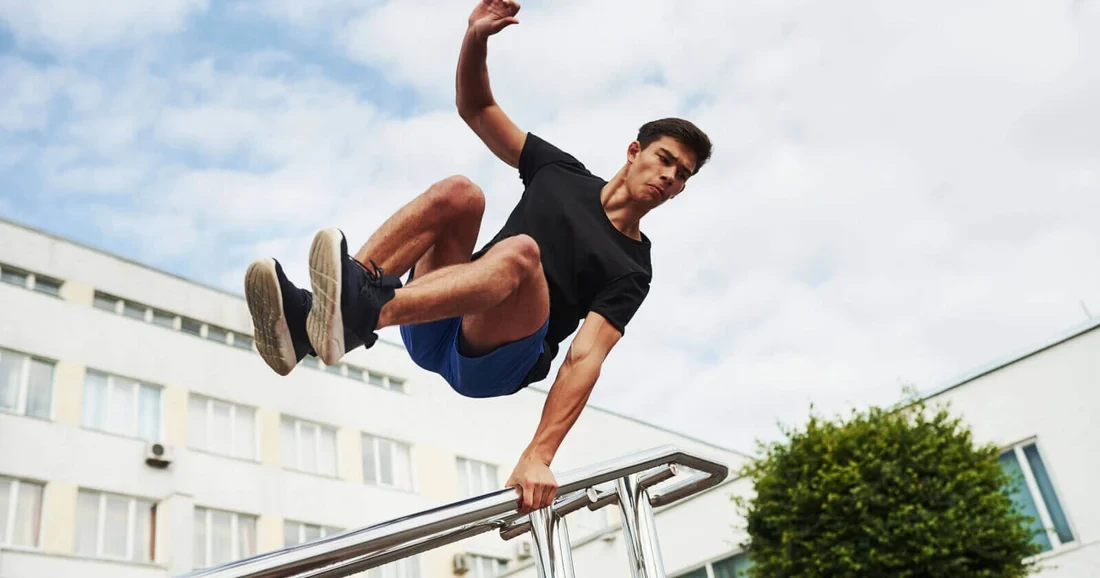
What began as a pure method of efficient locomotion has evolved into a high-stakes athletic spectacle. Modern practitioners incorporate multiple flips, breathtaking spins, and gravity-defying leaps while navigating complex obstacle courses, driving both the athletes’ adrenaline and the excitement of spectators watching from the sidelines. Today, parkour is firmly established as a legitimate component of the global sports ecosystem. Recognizing its rapid maturation, expanding audience, and structured competitive framework, major sportsbooks—including platforms like GGBet—have increasingly considered and integrated parkour into their comprehensive betting markets. This convergence of high-performance athleticism and wagering has opened up an entirely new dimension for sports enthusiasts worldwide.
Top Global Parkour Competitions
Professional parkour has long since outgrown informal gatherings, evolving into a sophisticated circuit with major competitions conducted across the globe. At the pinnacle of this competitive landscape is the FIG World Cup, widely recognized as the primary international parkour event where elite athletes from various nations test their limits in distinct speed and freestyle disciplines to claim the ultimate global title. Founded in 2017 under the oversight of international gymnastics authorities, the FIG World Cup has served as a grand stage for hundreds of exceptionally talented athletes, including prominent figures such as Caryl Cordt-Moller and Shea Rudolph, who consistently push the boundaries of human agility.
Another cornerstone of the professional circuit is the Sport Parkour League World Championship, a prestigious tournament that brings together the absolute best practitioners in the world to compete across dedicated skill, speed, and style categories. This particular competition has earned a reputation for preserving the initial, authentic integrity of parkour while simultaneously challenging athletes to break new barriers in execution and design. Complementing these structured arena events is the legendary Red Bull Art of Motion, which stands proudly as one of the world’s largest and most anticipated parkour and freerunning spectacles. Established in 2007, the event evaluates contestants not merely on raw speed, but on their fluid movement, technical difficulty, and artistic creativity, rewarding those who can seamlessly integrate their environment into a cohesive performance.
Beneath the glittering lights of international championships, parkour continues to thrive at the local and regional levels. Numerous grassroots competitions, such as the Apex International in the United States and the Air Wipp Challenge in Sweden, serve as the lifeblood of the domestic scenes. These events are typically organized and managed by independent national parkour communities working in tandem with local authorities, granting organizers the freedom to experiment with innovative formats, course layouts, and scoring systems. These grassroots initiatives have exerted a profound impact on the popularization of parkour within specific countries, serving as a vital pipeline for undiscovered talent. Despite the growing commercialization of the sport, the initial spirit of camaraderie remains entirely intact. At local meets, athletes continue to actively cheer for one another, celebrating mutual victories and collectively embracing losses in a display of sportsmanship that defines the community.
The Best Parkour Athletes
At the elite level, parkour demands absolute physical control, unwavering discipline, and razor-sharp mental focus. These vital psychological and physical qualities are precisely what separate the world’s premier athletes from the rest of the competitive field. Over the years, trailblazers such as Ryan Doyle, Jason Paul, Tim Shieff, Damien Walters, and Pavel Petkuns have transcended the sport to become true global stars. Their extraordinary professional skills and signature styles turn every public performance into a uniquely captivating experience for their legions of fans, establishing them as cultural icons within the freerunning community.
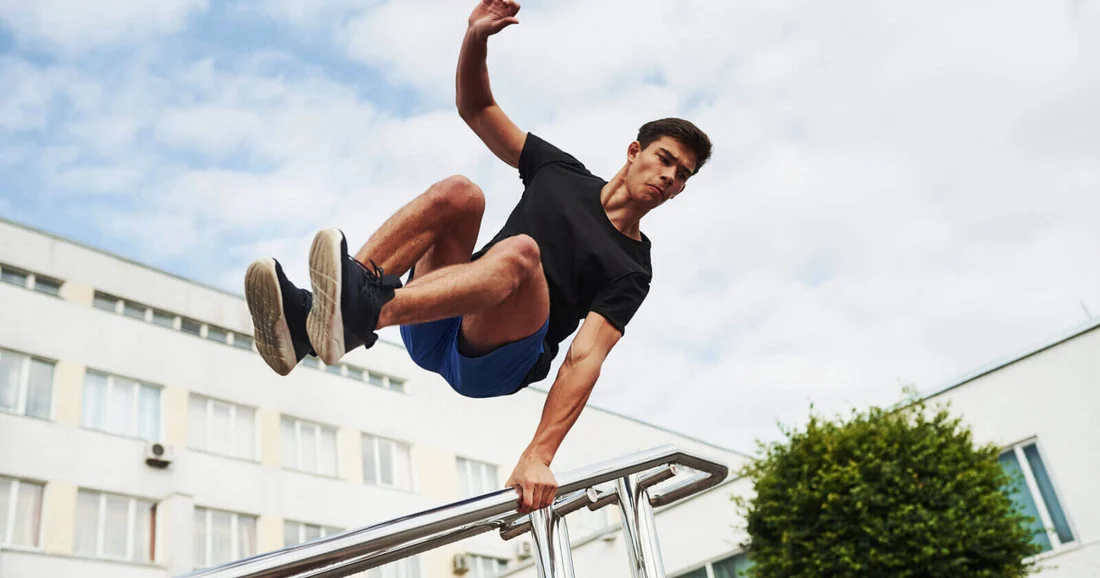
Naturally, the towering profiles of these superstar athletes have a direct and measurable impact on modern betting trends. Dedicated gamblers and sports fans alike closely analyze an athlete’s historical performance data, current physical condition, and even their day-to-day social media activity to accurately forecast who might emerge victorious in upcoming competitions. In a sport where fractional seconds and micro-adjustments in landing technique can alter the final standings, the introduction of a revolutionary new trick, a subtle injury recovery update, or an inspiring comeback story can shift betting odds significantly overnight.
Consequently, engaging in parkour betting now requires a sophisticated, data-driven approach akin to traditional mainstream sports. The sport’s leading competitors actively shape the fluctuating odds with every daring jump, high-flying flip, and flawless landing they execute on the course. For bettors aiming to achieve higher accuracy and success rates, following these intricate variables has become an absolute necessity rather than an optional strategy.
What Makes Parkour Betting Increasingly Popular
Once dismissed by the general public as a rebellious and unstructured street activity, parkour has successfully completed its transformation into a globally recognized and highly organized sport. Today, fluid running, explosive jumping, and intricate climbing form the foundational pillars of heavily regulated competitions that draw massive audiences both in-person and online. Furthermore, the profound physical and mental health benefits associated with the discipline have inspired thousands of new practitioners to take up training worldwide, expanding the sport’s demographic footprint.
As parkour continues to adopt a more structured and professional framework, it naturally generates robust betting markets centered around major international events. Fans and spectators can now place wagers on a wide variety of specific outcomes, ranging from individual athlete performances and overall tournament rankings to the precise execution and difficulty rating of individual tricks. This market expansion has been significantly accelerated by the proliferation of high-definition video content shared across internet platforms, which continuously raises public awareness, deepens fan engagement, and provides invaluable analytical insights into the nuances of the discipline.
Ultimately, parkour successfully bridges the gap between high-level competitive sport and pure visual entertainment. This rare and compelling combination is precisely what makes the discipline endlessly exciting for modern audiences who demand dynamic action. Backed by expanding media coverage and a growing infrastructure, the popularity of parkour continues its upward trajectory year after year, cementing its place in the modern sporting and wagering landscape.