



Imagine the possibility of turning back the clock on your skin by nearly a decade through a targeted regimen of carefully selected, evidence-based compounds. That is precisely what one dedicated skincare enthusiast claims to have achieved following a multi-year journey of rigorous personal experimentation, meticulous research, and an unwavering focus on science-backed active ingredients.
In a widely discussed video, the skincare advocate shared the three specific compounds that transformed their complexion after countless trials and adjustments. While the routine relies on clinical data rather than flashy marketing, the chosen ingredients defy conventional drugstore trends. Although one compound is a familiar staple of modern dermatology, the other two introduce lesser-known alternatives and cutting-edge cellular science into the daily anti-aging conversation.
The Surprising Compound That Outperforms Niacinamide
For years, niacinamide has occupied a position as a gold-standard ingredient in anti-aging and barrier-repair formulations. Celebrated for its versatility, it is routinely recommended by dermatologists for regulating oil production, calming inflammation, and smoothing texture. However, according to this recent skincare account, an alternative compound has emerged in head-to-head clinical trials that reportedly delivers superior results across multiple metrics.
The compound in question is sodium ferrocyanide complex, commonly referred to as SFC. In comparative clinical studies, this lesser-known substance has demonstrated remarkable efficacy, challenging the dominance of traditional ingredients.
In most skin care products, niacinamide is considered to be state-of-the-art. Yet, clinical observations suggest that a 1% concentration of SFC outperformed a 5% concentration of niacinamide in reducing wrinkle depth, improving overall skin hydration, enhancing radiance, and boosting the general appearance of the complexion.
If these comparative findings receive broader verification within the wider dermatological community, SFC could transition from a niche formulation additive to a primary focus in advanced anti-aging serums. The prospect of achieving enhanced results at a lower concentration makes the compound an intriguing prospect for researchers and formulators seeking high-performance alternatives.
The Cellular Energy Booster Your Skin Might Be Missing
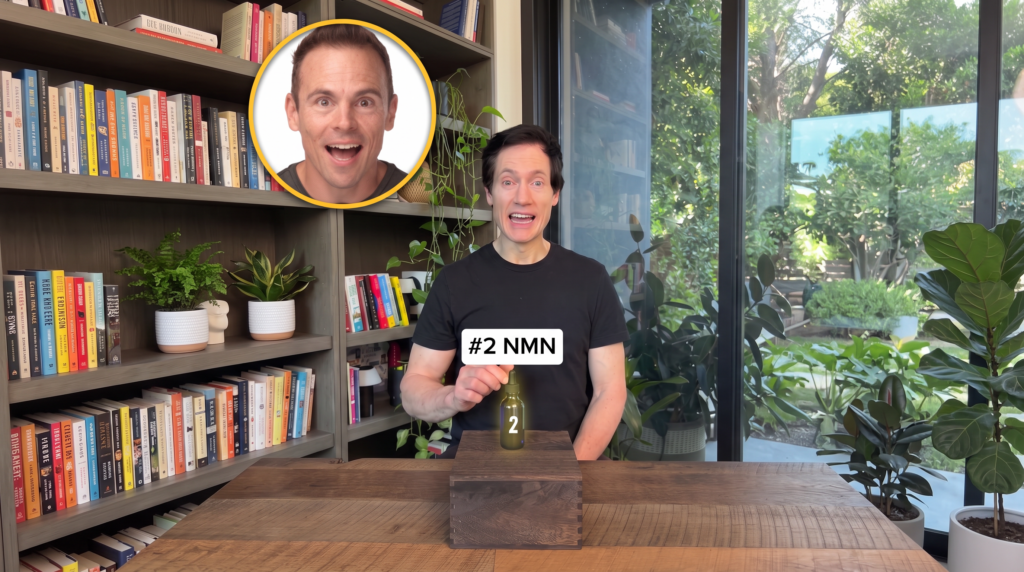
Venturing further into cutting-edge science, the second recommendation on the enthusiast’s list shifts focus from surface-level hydration to deep cellular repair: nicotinamide mononucleotide, or NMN. While NMN has gained traction in longevity and metabolic research circles, it remains relatively uncommon in mainstream topical skincare formulations. Its primary appeal lies in its ability to target one of the most persistent and damaging forces acting upon human skin on a daily basis.
Ultraviolet radiation from sun exposure represents the most substantial contributor to visible skin aging, driving DNA damage, chronic inflammation, and oxidative stress. These factors combine to accelerate the breakdown of structural proteins, leading to premature wrinkles, age spots, and a loss of elasticity.
To combat this environmental onslaught, human skin relies heavily on a vital coenzyme known as NAD+, or nicotinamide adenine dinucleotide, which plays a critical role in cellular repair and metabolic processes. Unfortunately, natural levels of NAD+ decline steadily with age, progressively weakening the skin’s biological capacity to recover from daily environmental assault.
This is where NMN enters the equation, serving as a direct precursor molecule that cellular structures can convert into NAD+, thereby theoretically restoring internal repair capacity. Although the underlying biochemical logic is compelling, dermatological experts note that topical NMN remains an emerging frontier with significantly less clinical validation than established mainstays like retinoids or vitamin C.
The Hydration Hero That Lives Up to the Hype
In contrast to the experimental nature of SFC and NMN, the third recommendation is a universally recognized component of modern skincare: hyaluronic acid. This powerful moisture-binding molecule is featured in countless serums, moisturizers, and professional treatments, backed by a robust foundation of scientific research confirming its efficacy.
Hyaluronic acid functions as a potent humectant, meaning it possesses the remarkable ability to attract and retain water molecules up to one thousand times its own molecular weight. When applied topically, it creates a concentrated moisture reservoir within the upper layers of the skin, producing a temporary plumping effect that smooths fine lines and enhances overall tactile texture.
However, the natural production of hyaluronic acid within the human body begins to decline as early as our twenties, mirroring the depletion of other structural components. This progressive reduction leads directly to drier, duller skin that lacks youthful bounce and resilience.
Well-hydrated skin does more than simply look vibrant; it functions at an optimal biological level. Adequate moisture supports the integrity of the skin barrier, which acts as the body’s primary defense against environmental irritants, allergens, and pathogens. When this barrier is compromised by dehydration, it frequently results in heightened sensitivity, chronic inflammation, and accelerated visible aging. Furthermore, hyaluronic acid establishes an optimal physiological environment that allows other active ingredients to penetrate and perform effectively, acting much like a properly prepared canvas before painting.
The Reality Behind Reversing Skin Age
The bold assertion of reversing skin age by nine years inevitably invites scrutiny regarding how biological or apparent "skin age" is actually quantified. Unlike chronological age, which is measured strictly by the passage of calendar years, skin age assessment relies on a combination of subjective and objective clinical markers evaluated by dermatological professionals. These markers typically include wrinkle depth analysis, pigmentation uniformity, elasticity measurements, overall surface texture, and pore size distribution.
Advanced clinical settings frequently employ specialized imaging technology to analyze subsurface dermal damage, comparing individual results against extensive age-matched demographic databases. While these sophisticated diagnostic tools provide valuable quantitative feedback, determining an exact numerical skin age remains a nuanced and somewhat interpretive science.
Topical skincare products possess undeniable benefits, but they operate under distinct biological limitations. They cannot replace permanently lost collagen and elastin architectural structures or reverse deep-set structural wrinkles without invasive clinical interventions. Nevertheless, the consistent, long-term application of evidence-based active ingredients can produce dramatic, measurable improvements in skin quality, radiance, and barrier function.
Building Your Own Evidence-Based Routine
The skincare advocate behind these findings emphasizes a crucial caveat that is frequently overlooked in commercial product marketing: individual physiological responses vary significantly. Personal skin type, specific dermatological concerns, baseline sensitivities, local climate, daily lifestyle factors, and genetics all dictate how a given formulation will perform on any single person. What yields a transformative complexion for one individual may cause irritation or produce no discernible change in another.
When introducing new active ingredients into a regimen, dermatological professionals consistently advise patience, careful observation, and gradual integration. Patch testing and slow introduction minimize the risk of adverse reactions and allow the skin barrier to adapt to potent formulations.
Despite the excitement surrounding innovative compounds, dermatological science continually reinforces the foundational elements that deliver the most dependable, long-term results. Daily application of broad-spectrum sunscreen with an SPF of 30 or higher, gentle cleansing techniques that preserve the natural acid mantle, and appropriate baseline moisturization remain absolute non-negotiables for skin health.
While established ingredients like retinoids continue to hold their position as the gold standard for anti-aging due to decades of clinical backing, and vitamin C provides essential antioxidant protection, layering an excessive number of active products can frequently backfire. Over-complicating a routine often leads to barrier disruption and inflammation, which can paradoxically accelerate visible aging. In many instances, a simplified, consistent approach yields superior outcomes compared to complex, multi-step regimens.
Ultimately, skin serves as the body’s largest organ and its most visible interface with the world, reflecting overall systemic wellness as much as external care. Whether individuals choose to explore emerging ingredients like SFC and NMN or adhere strictly to time-tested compounds like hyaluronic acid and retinoids, the ultimate key to sustainable improvement lies in informed selection, patience, and unwavering consistency over time.