For fitness enthusiasts and aspiring fighters living in areas without dedicated training facilities, local coaches, or readily available sparring partners, breaking into the sport of boxing has traditionally presented a significant hurdle. However, a growing movement of grassroots boxing clubs demonstrates that launching a successful training community requires little more than a willingness to learn, a single partner, and a shared space. Veterans of the independent boxing scene note that building an organic training group offers a level of fun, freedom, and camaraderie rarely found in rigid commercial gyms—often transforming casual participants into lifelong friends and tight-knit communities.
The journey toward establishing a thriving independent boxing club typically begins with self-education. Rather than waiting for formal instruction, aspiring club founders frequently turn to online resources, digital coaching platforms, and historical studies of the sport. Experienced organizers emphasize the importance of keeping an open mind during the initial learning phase, warning against the common beginner pitfall of trying to emulate a single iconic fighter, such as Mike Tyson or Floyd Mayweather. Embracing diverse training methods allows individuals to develop a well-rounded foundation tailored to their unique athletic profiles. Concurrently, diving into the rich cultural history of boxing helps build a deeper appreciation that extends beyond physical conditioning, connecting modern practitioners to a legacy that has influenced politics, music, and popular culture for generations.
Once foundational knowledge is established, the operational phase requires minimal resources. Founders point out that securing just one able-bodied training partner of any fitness level or physical size is all that is necessary to begin. By establishing a consistent schedule—ideally on a predictable weekday afternoon or evening when members can easily coordinate transportation and follow up with a shared post-workout meal—organizers can lay the groundwork for a reliable routine. Choosing the right location offers its own strategic advantages. While public spaces like local parks help attract curious onlookers and organically grow the community through casual engagement, private venues afford greater control over the training atmosphere, music, and privacy for sparring sessions without drawing undue concern from outsiders.
Maintaining engagement within these grassroots groups relies heavily on a balanced approach to workout intensity and equipment acquisition. Organizers stress that prioritizing enjoyment over extreme exhaustion is critical for long-term retention, noting that pushing participants to a grueling one-hundred percent capacity on day one often leads to burnout and high attrition rates. Instead, fitness gains are treated as a natural side effect of a sustainable hobby. Equipment can be accumulated gradually over time, often through secondhand purchases or surplus gear donated by community members looking to clear out old exercise items.
As the group evolves past its initial core of friends, leveraging social media platforms plays a pivotal role in expanding membership. By documenting steady progress and emphasizing inclusivity rather than intimidating highlight reels of knockouts, clubs can demystify the sport for newcomers who might otherwise feel intimidated. Organizers note that while public-facing platforms occasionally attract critical online commenters, maintaining a positive focus helps filter out distractions and draws genuine local interest.
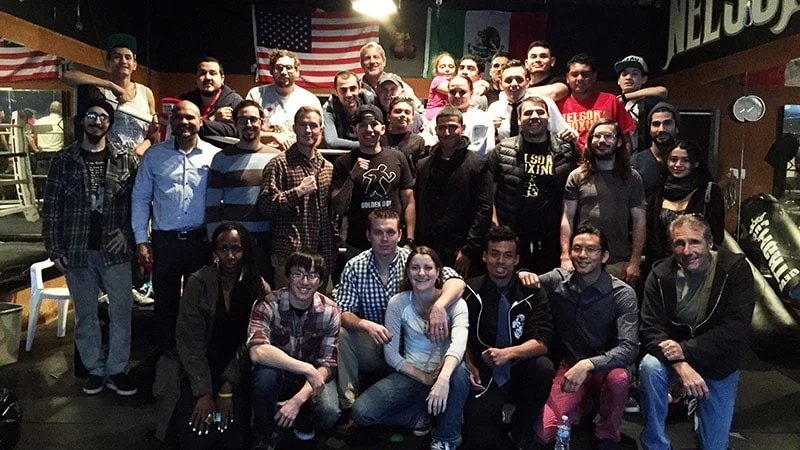
Sustaining a healthy club culture as numbers swell requires careful navigation of both inclusive outreach and boundary management. Successful independent clubs emphasize welcoming individuals of all athletic backgrounds, body types, and experience levels, fostering an environment where diverse participants can support one another’s fitness journeys. At the same time, organizers must remain vigilant against aggressive or disruptive behaviors that can undermine the safety and welcoming atmosphere of the group. Establishing clear behavioral standards and engaging non-training members—such as assigning roles in media documentation, pad-holding, or event coordination—ensures that everyone feels valued and connected to the collective mission.
Ultimately, what begins as a casual backyard meetup frequently evolves into a self-sustaining community network. As leadership roles naturally emerge and smaller training circles form within the broader club, these independent groups demonstrate that a passion for the sport, combined with a welcoming environment, can successfully bridge the gap where traditional gym infrastructure falls short.