
Mixed martial arts (MMA) has cemented its status as the fastest-growing combat sport on the planet, enjoying unprecedented mainstream success over the past decade. Long gone are the days when the sport was viewed merely as a fringe spectacle for diehard enthusiasts. Today, high-profile athletes such as Conor McGregor, Ronda Rousey, Jon Jones, and Brock Lesnar have captured the global imagination, propelling major organizations like the Ultimate Fighting Championship (UFC) into multi-billion-dollar global enterprises.
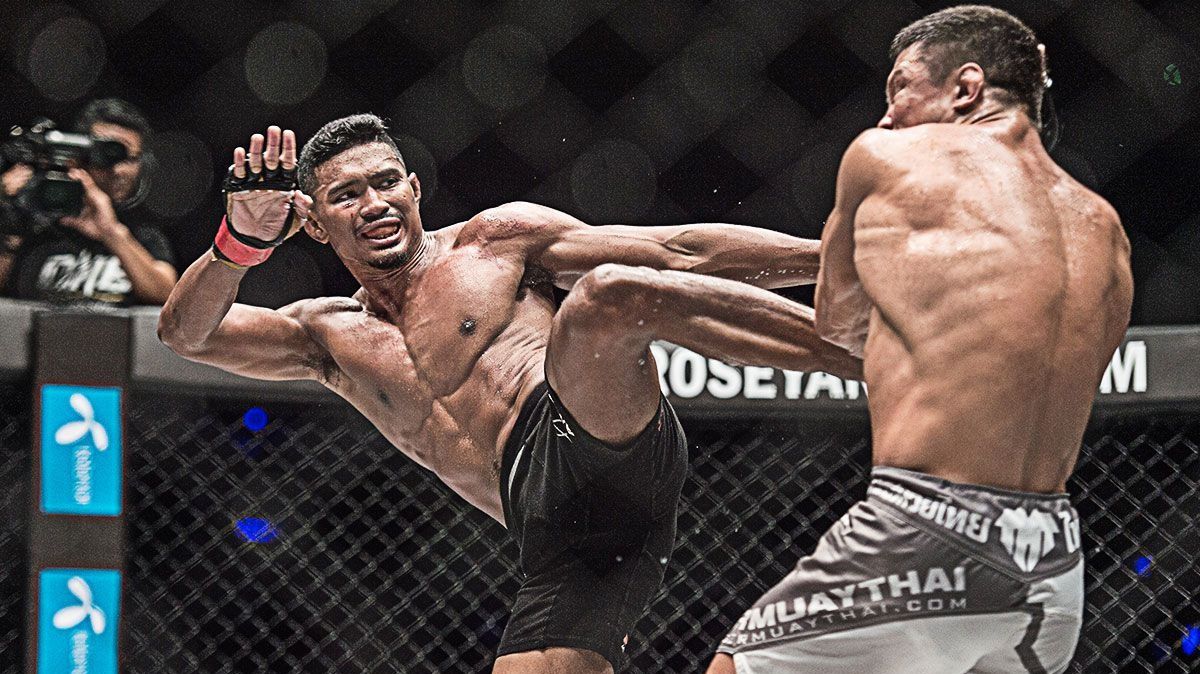
From the early, experimental days of the UFC to the establishment of modern-day powerhouse promotions such as ONE Championship, Bellator, and Rizin FC, MMA is now firmly embedded in the global sporting mainstream. Yet, while millions of fans tune in to watch high-stakes bouts on a regular basis, many casual observers still fail to fully appreciate the complex blend of individual disciplines that make up the "mix" in mixed martial arts. To truly understand how modern fighters operate inside the cage or ring, one must examine the foundational martial arts that form the bedrock of the sport. The five most prominent and effective disciplines—wrestling, Muay Thai, Brazilian Jiu-Jitsu, boxing, and kickboxing—shape every exchange, strategy, and championship-level victory.
Wrestling
Ask any analyst or veteran coach about the most influential discipline in modern MMA, and many will point immediately to wrestling. Alongside holding championship titles in their respective weight divisions, elite competitors such as Daniel Cormier, Jon Jones, Robert Whittaker, Kamaru Usman, Khabib Nurmagomedov, Henry Cejudo, and Amanda Nunes share a common thread: exceptionally strong wrestling bases. The dominance of wrestlers over recent years has firmly established the discipline as one of the most critical pillars of the sport.
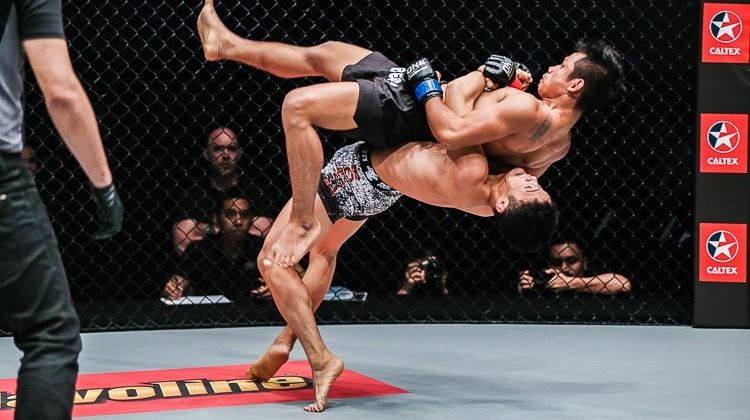
Without a strong foundation in wrestling, the ability to dictate where a fight takes place—whether executing a high-amplitude takedown or stuffing an opponent’s advance—is severely compromised. A skilled wrestler possesses the ability to control the pace, neutralize a dangerous striker, and dictate terms for entire rounds. Consequently, a high-level wrestler represents a tactical nightmare for any opponent who lacks proficiency in defensive grappling.
This dynamic was starkly illustrated at UFC 229 in October 2018, when former dual-division champion Conor McGregor faced elite grappler and Sambo specialist Khabib Nurmagomedov. The bout resulted in one of the most overwhelming defeats of McGregor’s career, highlighting the devastating effectiveness of superior grappling and wrestling pressure.

Interestingly, the prevalence of wrestling often correlates with regional training cultures. Because countries like Ireland, the UK, Thailand, and various parts of Europe and Asia lack the deeply ingrained scholastic and collegiate wrestling traditions found in the United States, fighters originating from these areas frequently lean toward striking-centric disciplines. However, for those seeking a stand-up equivalent to the control offered by wrestling, Muay Thai stands alone in terms of raw effectiveness.

Muay Thai
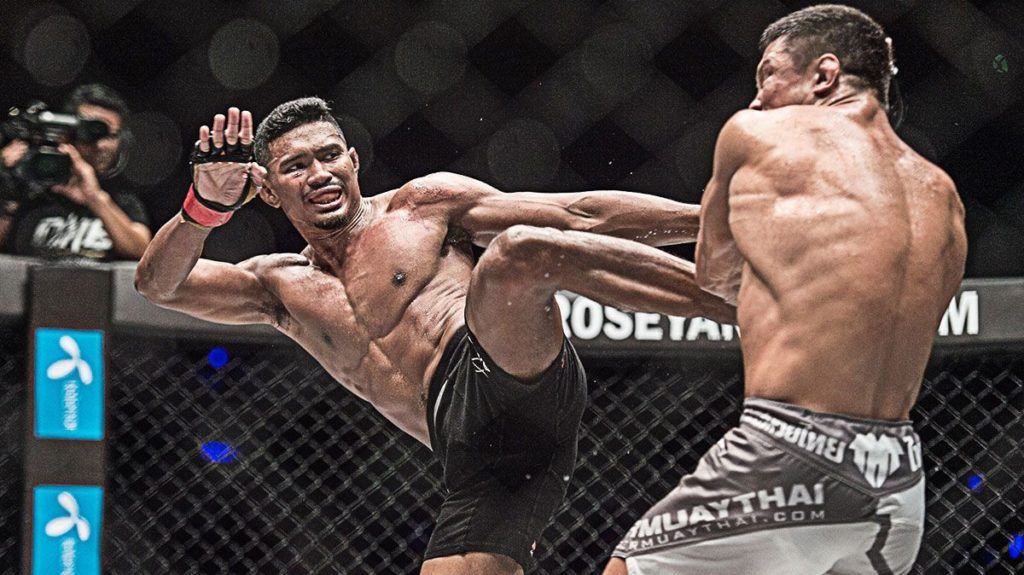
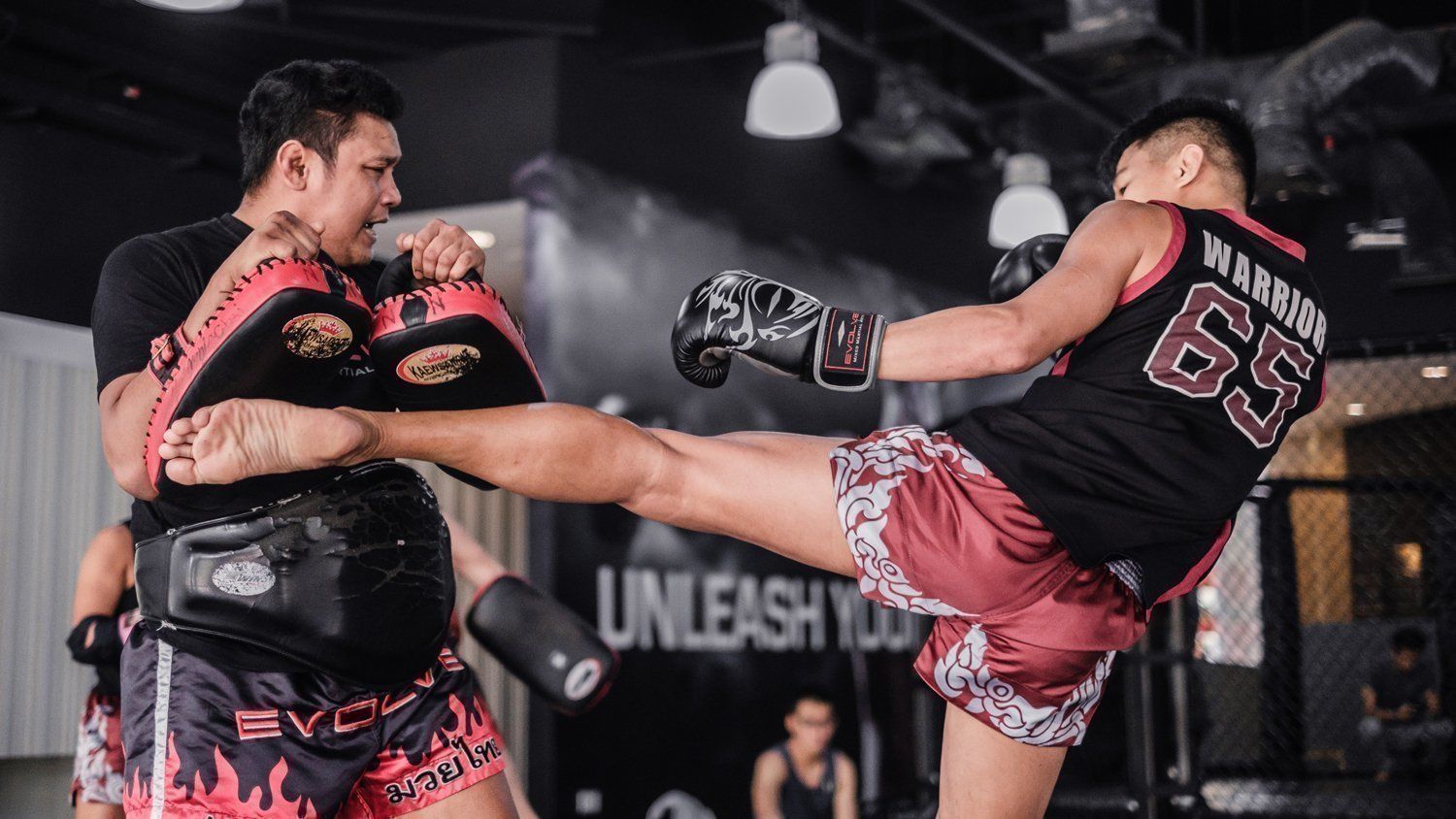
Frequently referred to as the "Art of the Eight Limbs," Muay Thai is widely recognized as the most cultured and effective striking art utilized in mixed martial arts. By incorporating fists, elbows, knees, and shins into a seamless offensive and defensive system, Muay Thai provides mixed martial artists with a diverse arsenal of weapons capable of neutralizing any opponent from close or medium range.

Over the decades, a long lineage of elite fighters has demonstrated the devastating efficacy of Thailand’s national sport inside the cage. Legends and champions such as Jose Aldo, Anderson Silva, Joanna Jędrzejczyk, Dejdamrong Sor Amnuaysirichoke, Wanderlei Silva, and Valentina Shevchenko have all utilized their striking backgrounds to devastating effect. In promotions like ONE Championship, elite competitors like Yodsanklai Fairtex and Sam-A Gaiyanghadao continue to showcase the precision and power of the discipline. Furthermore, the universal presence of Muay Thai coaching in premier MMA gyms around the globe underscores its vital importance as a striking foundation.

Whether utilizing punishing leg kicks to compromise an opponent’s mobility, deploying long-range teeps to manage distance, controlling the action in the clinch, or landing concussive elbows and roundhouse kicks, Muay Thai reigns supreme in the standing striking exchanges of MMA. For an all-around practitioner looking to build a comprehensive striking arsenal, few disciplines can rival its completeness.

Brazilian Jiu-Jitsu (BJJ)
The birth of the modern MMA landscape is inextricably linked to Brazilian Jiu-Jitsu. The UFC was co-founded by Rorion Gracie, a legendary BJJ master and patriarch of the world-famous Gracie family, who sought to prove to a global audience that his family’s art was the most effective martial art in existence. His brother, Royce Gracie, made an emphatic case for that assertion during the early tournaments, capturing three of the first four UFC tournament titles through sheer technical mastery over larger, heavier opponents.

While the element of surprise that defined the early-to-mid-1990s has long since faded, training in Brazilian Jiu-Jitsu has evolved into an absolute requirement for any athlete aspiring to reach the upper echelons of modern MMA. The historical ledger is filled with legendary champions who secured their status at the top of the sport primarily through superior submission grappling and ground control.

From fundamental techniques like the rear-naked choke and the armbar to more specialized maneuvers such as the Von Flue choke and the gogoplata, BJJ functions as an indispensable mechanism within the broader ecosystem of mixed martial arts. Without it, fighters leave themselves catastrophically exposed once a fight hits the canvas.

Boxing
As the world’s most popular standalone combat sport, boxing naturally serves as one of the most essential disciplines to integrate into the MMA cage. Regardless of whether an athlete’s primary background lies in Muay Thai, kickboxing, taekwondo, karate, or kempo, the ability to throw crisp, fundamental punches—such as the jab, cross, hook, and uppercut—is an expected baseline for any elite mixed martial artist.

Boxing is fundamentally a sport built on nuance, spatial awareness, footwork, and the ability to cut angles to find innovative ways to pierce an opponent’s guard. While traditional boxing omits strikes below the waist and the use of kicks, knees, or elbows—preventing it from serving as a complete standalone striking template for MMA—the strategic advantages of possessing high-level boxing acumen inside the cage are immense.

Throughout the history of the sport, elite athletes including Max Holloway, Jorge Masvidal, Conor McGregor, Nick and Nate Diaz, and Georges St-Pierre have placed tremendous emphasis on developing exceptional boxing skills to complement their overall game, utilizing fluid head movement and precise punch combinations to overwhelm opponents.

Kickboxing
While Muay Thai offers a deeply traditional and varied approach to stand-up fighting, numerous elite athletes have carved their paths through the ranks of kickboxing before making a successful transition to mixed martial arts. Fighters such as Stephen "Wonderboy" Thompson, Israel Adesanya, Holly Holm, Michael "Venom" Page, Mirko Cro-Cop, and Alistair Overeem have famously leveraged their kickboxing credentials to excel under MMA rulesets.

Kickboxing provides an exceptional striking foundation rooted in high-speed mobility and dynamic kicking techniques, though it traditionally features a narrower range of weaponry than Muay Thai, omitting techniques such as elbow strikes and the comprehensive standing clinch. Nevertheless, it remains a vital component of the modern MMA landscape, frequently utilized by fighters seeking to maximize their distance management and kicking output.

While practitioners of other striking disciplines, such as taekwondo or traditional karate, have also made notable impacts in the cage, kickboxing styles have historically demonstrated a high degree of adaptability and seamless integration into the multifaceted demands of mixed martial arts competition.