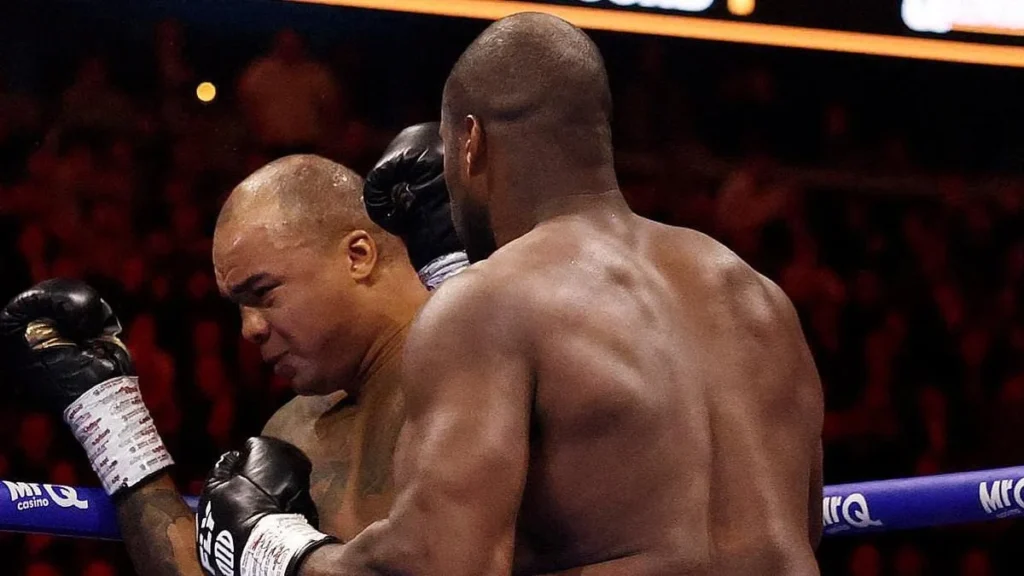



Mixed Martial Arts has evolved from a spectacle of contrasting martial arts disciplines into one of the most physically demanding, scientifically advanced sports in the world. Modern competition requires a unique, highly specialized blend of athleticism, combining raw power, cardiovascular endurance, agility, and technical precision. To succeed inside the cage or ring, contemporary fighters must possess incredible strength and conditioning, allowing them to dictate the pace of a bout and dominate opponents across striking, grappling, and ground control exchanges.
The integration of sophisticated strength and conditioning programs has therefore become essential for maximizing athletic performance. By tailoring physical preparation specifically to the multi-faceted demands of combat sports, trainers are helping athletes push the boundaries of what the human body can endure under extreme pressure.
Why Strength and Conditioning is Critical for MMA Fighters
As a sport, MMA presents a uniquely punishing physical challenge. Competitors are required to deliver devastating strikes with their hands and feet, engage in grueling wrestling battles along the fence, and execute technical grappling exchanges on the canvas—all while maintaining the cardiovascular capacity to sustain this relentless intensity across multiple rounds. A comprehensive strength and conditioning program acts as the foundation that enables athletes to meet these rigorous demands without faltering.
One of the primary benefits of this targeted training is the development of functional power. Power is an indispensable asset inside the cage, allowing athletes to strike with maximum force and explosive speed. Specialized strength training targets and develops fast-twitch muscle fibers, which translates directly into harder punches, more dominant takedowns, and explosive grappling maneuvers that can change the trajectory of a fight in an instant.
Beyond sheer power, increased endurance is vital for modern fighters, particularly given that championship bouts can extend up to 25 minutes of continuous combat. Proper metabolic conditioning ensures that athletes can maintain their energy reserves throughout each round, staving off debilitating fatigue and keeping their performance sharp as the clock winds down. This stamina is closely tied to enhanced agility and balance, which are essential for both offensive and defensive positioning. Strength and conditioning protocols improve a fighter’s capacity to change direction rapidly, evade incoming attacks, and maintain a stable center of gravity while grappling or absorbing impact.
Furthermore, a structured conditioning regimen serves as a critical shield against injuries. High-impact combat sports place immense stress on joints, tendons, and ligaments. By systematically reinforcing the musculoskeletal system, training programs reduce vulnerability to tears, sprains, and structural damage. Finally, a well-conditioned athlete enjoys superior recovery capabilities. The physiological resilience built through proper training allows fighters to recover more effectively between high-intensity training sessions and active competition rounds, ensuring they remain at peak physical readiness year-round.
Key Principles for Training
Before examining the specific exercises that populate an elite fighter’s regimen, it is crucial to understand the foundational principles guiding modern sports science in combat athletics. These core concepts shape how training cycles are designed and implemented.
Specificity dictates that chosen exercises must closely mirror the biomechanical movements required in actual combat. For instance, explosive plyometric drills replicate the fast-twitch dynamics needed for striking combinations, while heavy compound lifts build the foundational strength required for dominant grappling control.
To manage fatigue and peak at the right time, fighters rely on periodization, a method of cycling training intensity based on their competition schedule. This approach adjusts workout loads, volumes, and intensities depending on how close an athlete is to fight night. During an off-season phase, the emphasis may shift toward heavy lifting and building a robust strength base, whereas camp preparations pivot heavily toward explosive, sport-specific conditioning as the competition date draws near.
Progressive overload remains another cornerstone of athletic development. To continuously build strength and endurance, an athlete’s muscles must be systematically challenged by gradually increasing the resistance, training volume, or duration over time. This continuous adaptation prevents performance plateaus and drives measurable physiological progress.
Balancing this intense workload, however, requires a dedicated focus on recovery. Because MMA training places profound systemic stress on the central nervous system and muscular architecture, adequate rest, sleep optimization, and precise nutritional strategies are non-negotiable. These elements give damaged muscle tissue the necessary environment to repair and adapt.
Finally, functional movements take precedence over isolated bodybuilding exercises. Fighters benefit most from multi-joint movements that engage several muscle groups simultaneously, training the body to function as a cohesive, synchronized unit rather than a collection of isolated parts.
Translating Science to the Gym Floor
When these training principles are translated into actual physical preparation, several foundational exercises form the backbone of an MMA strength regimen.
The deadlift remains a universal staple due to its unmatched ability to target the entire posterior chain, encompassing the glutes, hamstrings, lower back, and core. For a combat athlete, proficiency in the deadlift translates directly to enhanced grappling strength, making it easier to execute powerful takedowns, lift opponents, and generate explosive hip extension.
Similarly, squat variations—including both back and front squats—are vital for building lower-body strength. This lower-body foundation is indispensable for delivering powerful kicks, stuffing opponent takedowns, and generating instantaneous explosiveness from a stationary stance. While activating the quadriceps, hamstrings, and glutes, squats also demand significant core engagement to maintain spinal stabilization under heavy loads.
Upper-body pulling power is cultivated through exercises like pull-ups, which develop the back, shoulders, and arms. Strong latissimus dorsi and bicep muscles are crucial when clinching with an opponent, controlling posture in the guard, or executing submission holds. Conversely, classic pressing movements like the bench press build upper-body pushing mechanics in the chest, anterior shoulders, and triceps, providing functional utility for straight punches and framing against an opponent.
Unilateral training is also heavily emphasized to address structural imbalances and mimic the single-leg demands of combat. Exercises like Bulgarian split squats improve single-leg stability, coordination, and muscular strength, directly helping fighters develop the robust leg strength needed for devastating kicks and knee strikes. Additionally, explosive implements like kettlebell swings train rapid hip drive, bridging the gap between traditional weightlifting and the ballistic power required for both striking and grappling.
The Best Conditioning Exercises for MMA Fighters
While raw strength is essential, cardiovascular and metabolic conditioning dictate whether an athlete can apply that strength deep into the later rounds of a grueling bout.
High-Intensity Interval Training, or HIIT, serves as a primary method for replicating the physiological energy systems utilized in a fight. By alternating between short bursts of maximal-effort exertion and brief recovery intervals, HIIT mirrors the erratic, explosive exchanges characteristic of MMA contests, teaching the body to clear lactate and recover efficiently under duress.
Upper-body conditioning is frequently addressed through the use of heavy battle ropes. This dynamic implement builds localized muscular endurance in the shoulders and arms while simultaneously driving up the heart rate, effectively simulating the sustained upper-body output required during prolonged clinches.
Circuit training integrates a sequence of varied movements performed with minimal rest, pushing the limits of both muscular endurance and aerobic capacity. Meanwhile, traditional tools like the jump rope remain remarkably effective for refining footwork, coordination, and rhythm, serving as a low-impact method to build cardiovascular endurance and agility on the balls of the feet.
Finally, heavy sled pushes challenge the entire body, demanding relentless lower-body drive and core stability. This movement builds profound leg endurance while closely simulating the grinding, heavy-resistance effort required when driving forward against an opponent’s resistance on the mat.
Ultimately, a comprehensive strength and conditioning program for mixed martial arts bridges the gap between functional power and high-intensity metabolic conditioning. By adhering to sound physiological principles and focusing on sport-specific physical attributes, fighters can build the resilience and dominance required to excel in modern competition. Practitioners should always consult with qualified strength and conditioning professionals to tailor such rigorous programs to their individual experience levels, physiological needs, and health considerations.