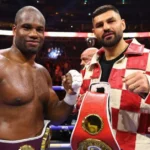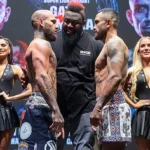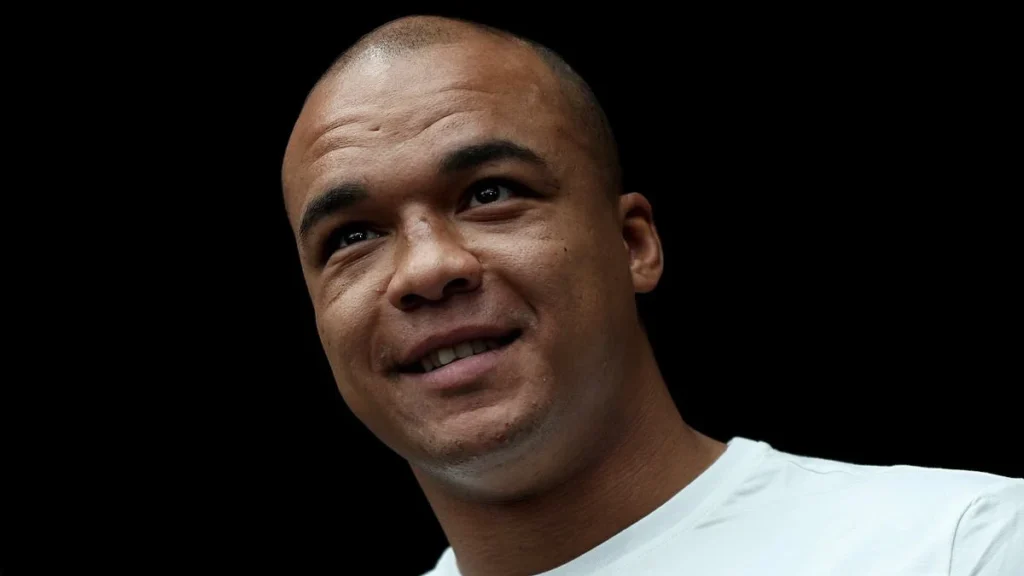
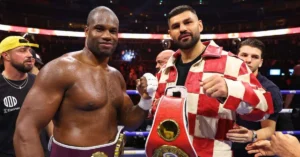

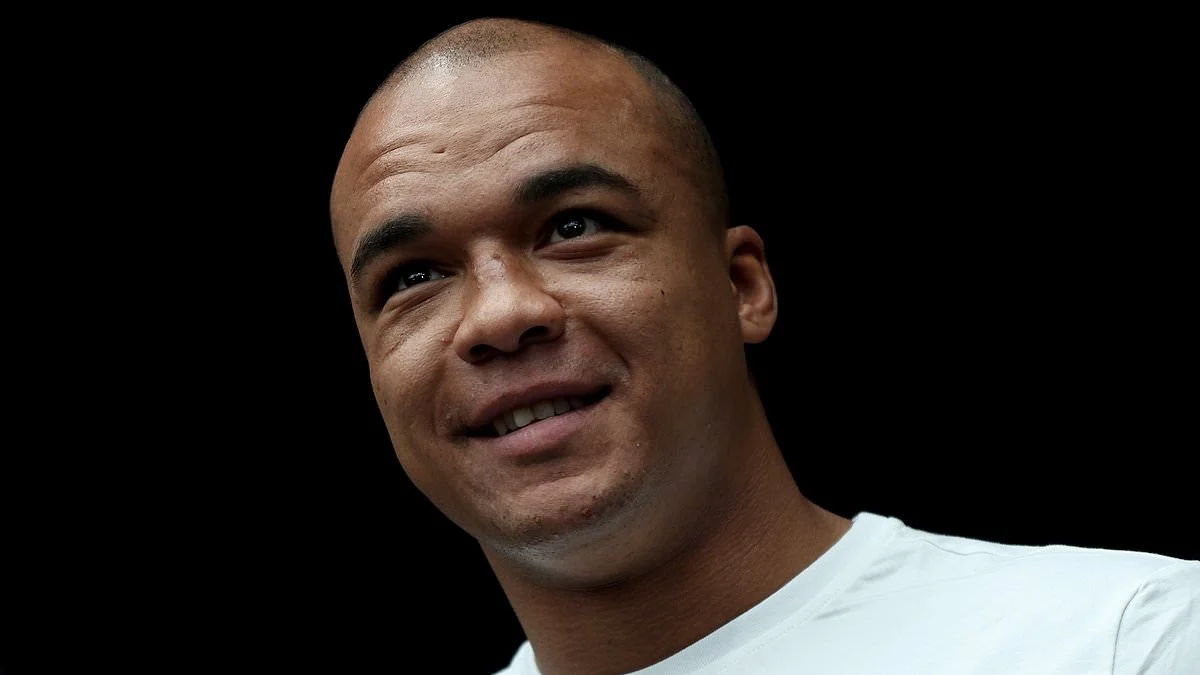
Fabio Wardley is not supposed to be here again so soon. Not, at least, according to those who watched him endure 11 gruelling rounds against Daniel Dubois in Manchester in May. Not according to the observers who questioned whether his corner should have pulled him out earlier, as his face became increasingly battered and his right eye swelled completely shut. And certainly not according to the critics and ringside analysts who believe the sheer scale of the punishment he absorbed makes an immediate rematch a risk far too severe for any fighter to contemplate.
Yet Wardley has never been a fighter inclined to follow someone else’s script.
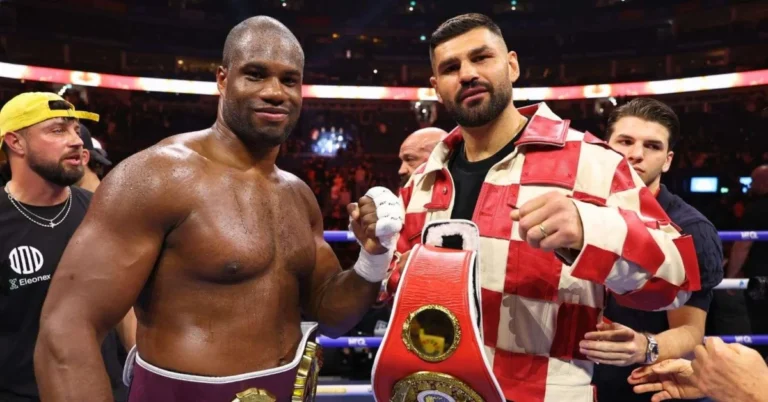
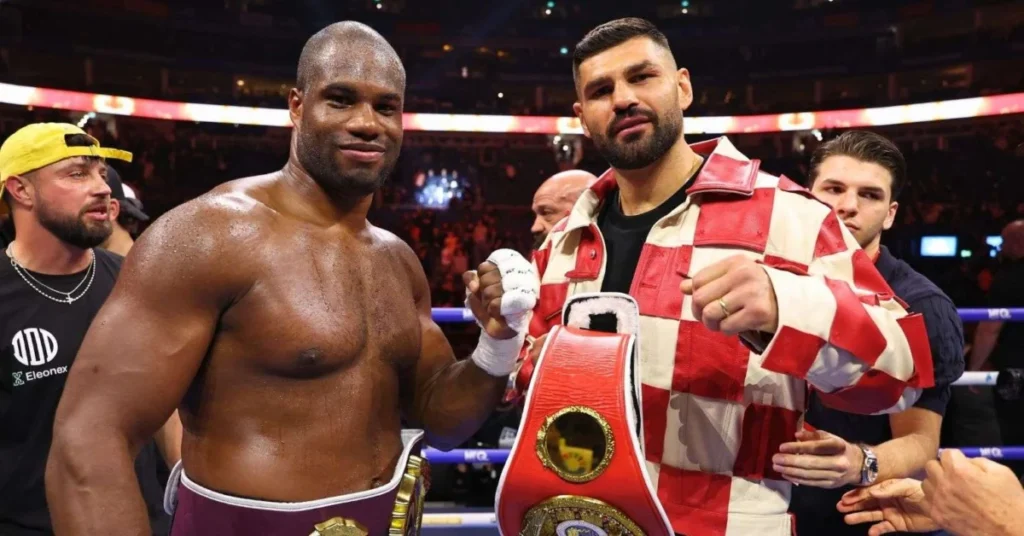
When the 31-year-old first met Dubois, 29, inside the ropes earlier this year, he entered the arena as the reigning WBO heavyweight world champion. In the opening moments of that encounter, Wardley appeared poised to rewrite the heavyweight hierarchy entirely. He produced a blistering start, flooring Dubois within the opening ten seconds and dropping his London rival a second time inside the first three rounds. For a fleeting sequence in Manchester, Wardley was on the verge of claiming one of the most emphatic victories of his professional life.
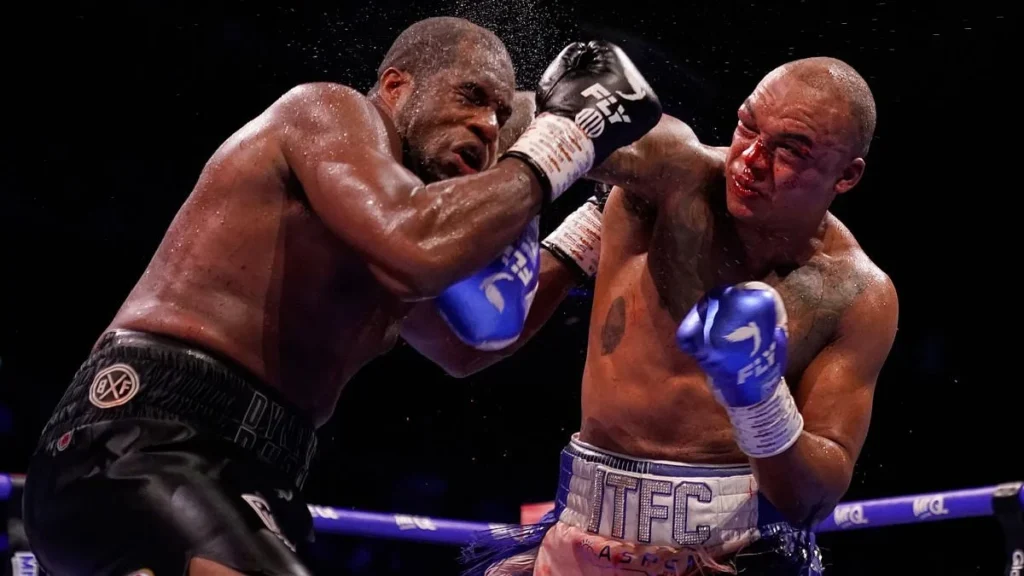
Then came the turning of the tide. Dubois weathered the early storm, gradually reasserted his authority, and systematically fought his way back into the contest. Round by round, the momentum swung violently away from the champion. The contest deteriorated into an agonizing, physical war of attrition, with Dubois applying relentless pressure until the fight was finally halted in the 11th round. With that stoppage, Dubois became a two-time heavyweight champion, while Wardley was left to nurse severe physical damage and the loss of his world title.
Now, with the WBO belt once again on the line as they prepare to go toe-to-toe for a second time on Saturday evening, Wardley finds himself in a position that feels inherently more familiar. He is no longer the champion defending his territory; he is the challenger, the clear betting underdog, and the man that a large portion of the boxing community expects to fall short once again.
As Wardley explains ahead of the rematch, that dynamic suits him perfectly.
The feeling of being dismissed or written off is not a novel experience for Wardley. Rather, it has been the constant soundtrack to his progression through the heavyweight division. He has grown accustomed to skepticism from observers who repeatedly predicted that his lack of an orthodox boxing pedigree would eventually catch up with him whenever the caliber of opposition was raised.
He notes that dealing with doubters has been the staple of his career for as long as he can remember, serving as a primary focal point from the moment he began his journey in the sport. After his first five or six professional bouts, whenever he began to step up his level of competition—even by the slightest margin—voices within the sport routinely warned that he was heading toward defeat and taking a step too far. It is, in his eyes, familiar material that everyone in the sport has heard many times before.
Because of that history, Wardley views his current underdog status as comfortable territory. In his view, returning as the challenger strips away the external burdens that often weigh down a defending champion. The prevailing expectation among critics is not only that he will lose, but that Dubois will deliver a more refined performance and conclude the rematch even faster than the first encounter. Wardley recognizes that dynamic and feels unburdened by it, maintaining that having nothing expected of him leaves his shoulders entirely free of pressure.
It is a strikingly calm and relaxed outlook from a competitor preparing to step back between the ropes with the only man to have defeated him as a professional. While losing a world championship is naturally a bitter pill, Wardley insists that the setback in Manchester has done little to alter his core personality or derail his perspective on life. He does not view that 11th-round stoppage as a devastating or soul-crushing tragedy, nor does he allow it to define his identity as a man or an athlete.
Wardley approaches the sport with a pragmatic philosophy: the job is the job, and the game is the game. From the moment he chose to pursue a career in heavyweight boxing, he accepted the reality that navigating the top tier of the sport without taking damage was an impossibility, particularly given his aggressive fighting style and his insistence on testing himself against the division’s most dangerous contenders.
Indeed, Wardley is quick to point out that he actively sought out the fight with Dubois in the first place. When assessing the landscape of available heavyweights, he intentionally picked Dubois because he viewed him as the most formidable test available. Knowing his own nature and his willingness to pursue hazardous matchups, Wardley never harbored illusions of retiring with an unblemished, protected record in the mold of Floyd Mayweather. As long as he knows he gave everything he had inside the ring and remains satisfied with his effort, he insists he can sleep soundly at night.
That unyielding willingness to place himself directly in the line of fire has transformed Wardley into one of the division’s most captivating figures. His bouts rarely lack drama, and the May clash in Manchester demonstrated both the virtues and perils of his approach. The opening rounds were explosive, marked by Wardley’s rapid-fire aggression and the stunning early knockdowns. But as Dubois began to connect with heavy counter-punches, the cumulative punishment began to take an undeniable toll on Wardley.
As the bout wore into its later stages, Wardley’s condition worsened significantly. His right eye became swollen shut, his facial tissue was heavily bruised, and he required repeated evaluations from the referee and the ringside doctor. The severity of the beating he sustained prompted widespread post-fight debate, with severe scrutiny directed at his corner team for allowing him to emerge for the tenth round when the bout seemed beyond his reach.
Wardley firmly rejects the notion that his corner let him down or failed to protect his wellbeing. He considers his team to be extended family, possessing complete faith that they will always prioritize his safety above all else, regardless of how outside commentators interpret the situation. Furthermore, he is dismissive of external criticism regarding the timing of this rematch, noting that observers on the outside cannot possibly understand the details of his recovery process. In Wardley’s view, only he and his closest team members possess the information needed to evaluate the damage sustained and determine when he is fit to return to battle.
Crucially, Wardley has not shied away from the terrifying reality of what the rematch might entail. Rather than attempting to block out the memory of the punishment he absorbed in May, he made a conscious decision to confront the worst-case scenario before he ever agreed to face Dubois again.
He explains that returning required a profound level of early internal acceptance. Before officially triggering the rematch clause, Wardley forced himself to have an honest dialogue with his own conscience. He asked himself directly whether he was prepared to endure an identical ordeal, whether he was truly ready to withstand another brutal, punishing war, and whether he could accept that possibility without reservation.
Once he confirmed to himself that the answer was an unequivocal yes, the internal battle was over. Having settled that question in his mind before training even commenced, Wardley no longer views the risk of punishment as an active concern or a lingering doubt. It has been evaluated, processed, and put away.
That cold psychological acceptance is matched by his raw instincts once the opening bell rings. Wardley is not the type of heavyweight who shrinks or looks for an exit when hurt. Instead, his natural impulse when struck with heavy leather is to answer back immediately. In his mind, when an opponent lands a clean shot, the only acceptable response is to let his own hands go in return. He wants his opponent to know from the outset that landing punches will never come cheaply, and that taking punishment will not cause him to run away or roll over.
While that ferocious fighting spirit makes for thrilling action, it also places immense demands on the 60-second intervals between rounds. For Wardley, the minute on the stool is far too brief and far too vital to be squandered on emotional comforting or unnecessary pleasantries.
Wardley insists that the minute between rounds must be dedicated 90 percent to cold, practical tactics, with only 10 percent reserved for anything else. In those moments of high-stakes heavyweight combat, he feels that emotional softness and misplaced compassion have no place. The 60 seconds pass in what feels like an instant—a momentary click where a fighter barely sits down before being called back to their feet.
Because time is so scarce, Wardley wants concise, actionable tactical adjustments from his corner rather than shoulder rubs or gentle inquiries about whether he is feeling alright. What he demands from his team is the direct information needed to alter the trajectory of the fight, allowing him to stand back up and resume the battle fully prepared.
Wardley enters Saturday evening fully aware of what lies in wait. He knows the rematch with Dubois promises to be another punishing, physically taxing assignment, and he knows the public will continue to question his durability and the wisdom of his return. Yet Dubois now holds the title as a two-time champion, and Wardley wants nothing more than to take it back. For Fabio Wardley, avoiding danger has never been an option; he is stepping back into the fire because he has already accepted the costs, embraced the underdog status, and decided that the ultimate prize remains worth every ounce of risk.