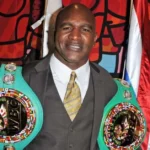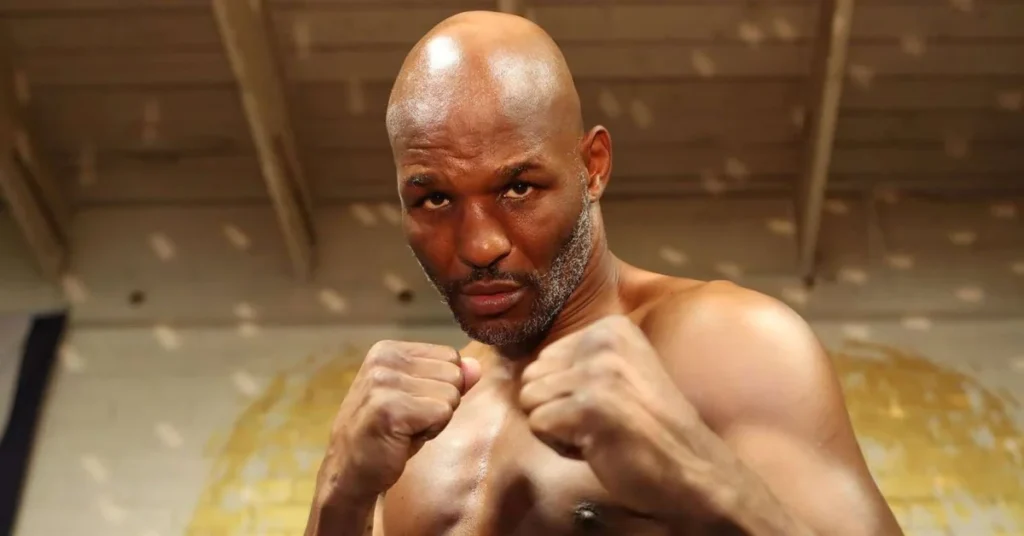


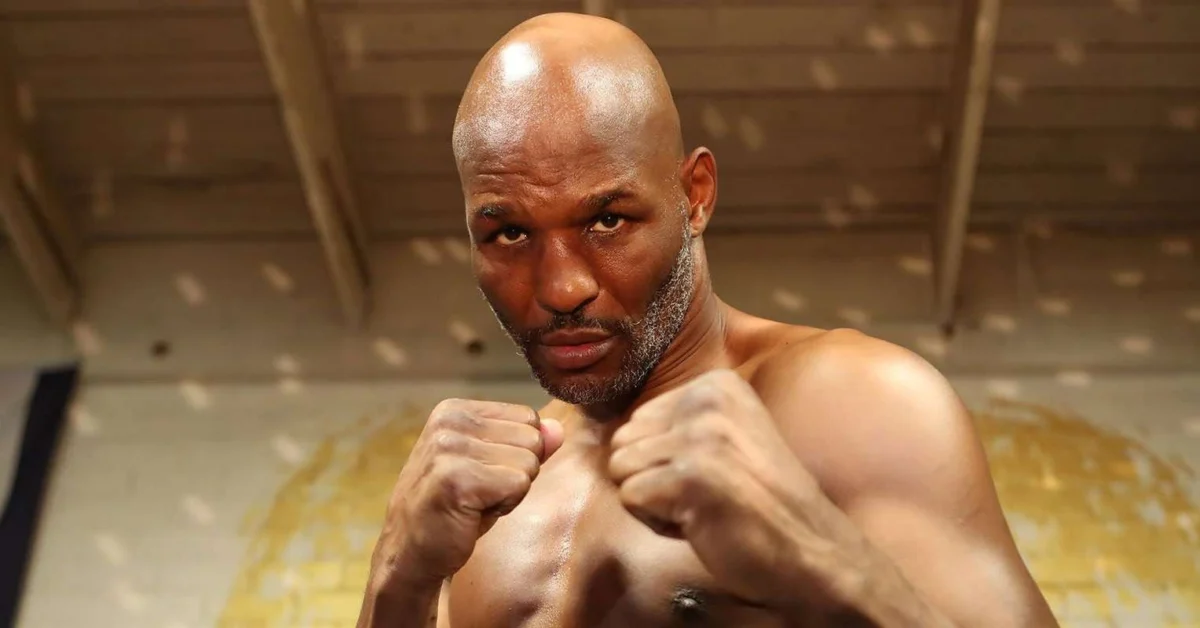
Bernard Hopkins stands as an immutable pillar in the history of modern boxing, a competitor whose astonishing career spanned nearly three decades and redefined what longevity and ring IQ meant in the squared circle. Affectionately and fearlessly known as "The Executioner," Hopkins enjoyed a professional boxing journey that few could ever dream of replicating, let alone sustaining.
Beginning his professional career all the way back in 1988, the American great actually tasted defeat in his very first outing, falling short against Clinton Mitchell. Rather than letting an early setback define his trajectory, Hopkins used it as a foundational lesson, bouncing back with fierce determination to write his name deep into the sport’s prestigious history books. It was a career built on discipline, tactical brilliance, an ironclad defense, and an unmatched mental fortitude that allowed him to compete at the absolute elite level well past the age when most fighters have long since retired.
Hopkins steadily rose to global prominence during the middle stages of the 1990s, a golden era for boxing where he carved out a fearsome reputation in the talent-rich middleweight division. His defining breakthrough on the world stage arrived in 1995 when he faced Segundo Mercado. Displaying the clinical finishing instincts that would become his trademark, Hopkins stopped Mercado in the seventh round of their bout to claim the vacant IBF world middleweight championship.
That victory opened the floodgates for a historic reign. Hopkins went on to orchestrating a division-record number of successful defenses of his crown, turning the IBF middleweight title into his personal fortress. He systematically turned back the challenges of top-tier contenders for years, unifying belts along the way until he reached the pinnacle of the division. The defining moment of his middleweight supremacy came in 2004 when he stepped into the ring with the legendary Oscar De La Hoya. In a masterful performance that showcased his veteran savvy, Hopkins became the very first man to knock out De La Hoya, stopping the Golden Boy with a pinpoint liver punch in the ninth round to capture the undisputed middleweight championship of the world.
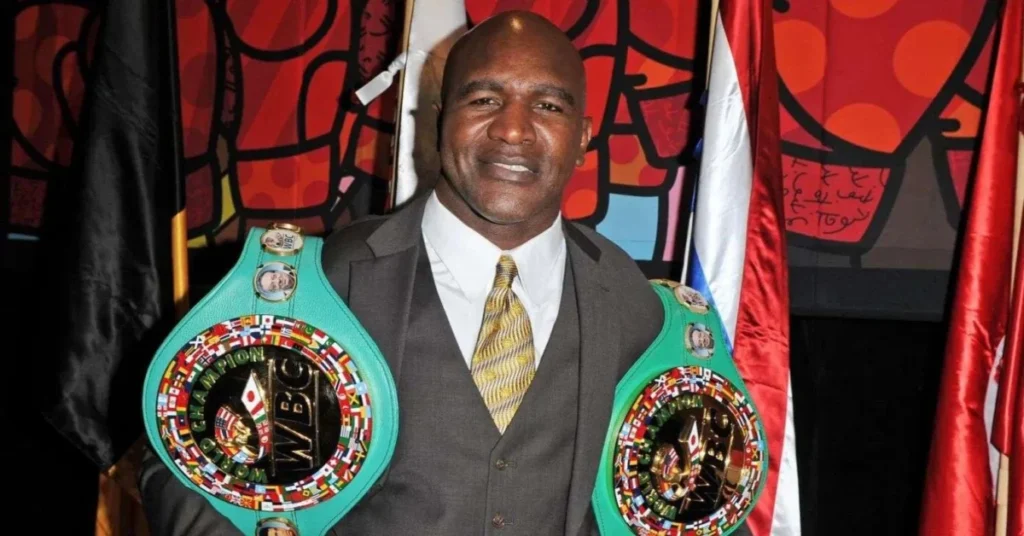
Never one to shy away from daunting challenges or new frontiers, Hopkins eventually made the bold move up to the heavier 175-pound light heavyweight division. Many questioned whether a career-long middleweight could carry his power and durability up two weight classes against naturally bigger, heavy-handed men. Hopkins answered those doubts emphatically. In 2011, he challenged Jean Pascal for the WBC world title and put on a tactical masterclass to secure a decision victory, making history as the oldest fighter to win a major world championship at that time.
Though he experienced a temporary setback just one year later when he dropped a majority decision to the slick and athletic Chad Dawson, "The Executioner" refused to accept that his time at the top was over. Displaying his trademark resilience, Hopkins bounced back once again. He challenged IBF light heavyweight champion Tavoris Cloud in 2013, completely outpointing the younger, hard-hitting titleholder to capture a version of the light heavyweight title once more, further cementing his legendary status and breaking his own records for longevity.
Throughout his legendary career, Hopkins shared the ring with a who’s who of boxing royalty, testing his skills against the finest athletes of his generation. However, in a candid and reflective interview with The Ring Magazine, Hopkins offered an honest and revealing assessment of how he believes he would fare against a prime version of one of his greatest career rivals, Roy Jones Jr. Despite his own immense confidence and legendary status inside the ring, Hopkins confessed that even he would not have been able to get the better of a peak Roy Jones Jr., conceding that the athletic marvel was simply unbeatable during his absolute prime.
Reflecting on the unique challenges that Jones presented during his physical peak, Hopkins broke down the tactical nightmare his former rival posed to any opponent foolish enough to step between the ropes with him. He explained that Jones possessed a rare combination of intelligence and physical gifts that made traditional boxing strategies completely obsolete.
"He was smart enough to neutralise my best weapons and smart enough to not get hit by my big shots," Hopkins told The Ring Magazine, offering a technical breakdown of Jones’s defensive genius. "Even though I got my shots in he wouldn’t get hit by more than one. Like if I got one in… and that’s the thing about fighting unique guys… if a guy lands that one shot, normally there’s another coming behind that."
Hopkins elaborated further on the total package that early-career Roy Jones Jr. brought to the table, emphasizing that the multi-division world champion operated on a completely different plane of existence during his athletic prime. For Hopkins, who built his entire career on being the sharpest tactical mind in the ring, acknowledging Jones’s superiority in every facet of the sport highlights just how extraordinary the Florida native truly was at his peak.
"He was an all-around thing – best boxer, best defence, offence," Hopkins continued, marveling at his former adversary. "Early career Roy Jones Jr. – speed, reflexes, unorthodox, that type of thing. No one, no one would have beat Roy Jones at that level, where he was at right there and then."
The athletic rivalry between Bernard Hopkins and Roy Jones Jr. remains one of the most compelling chapters in the history of modern boxing. The two iconic fighters actually squared off twice over the course of their professional journeys, first meeting as relative youngsters back in 1993, and later crossing paths again in a much later-career rematch in 2010. Across those two encounters, both fighters claimed one victory apiece, with Jones winning their initial meeting by unanimous decision when they were both ascending contenders, and Hopkins exacting a measure of revenge years later in their 2010 rematch.
Despite their shared history and the competitive fire that burned between them, a trilogy showdown during their absolute prime years never materialized to settle the score once and for all. That missed opportunity has long served as a subject of fascination for boxing fans and analysts alike, who frequently debate and wonder what might have unfolded had the two generational talents collided a third time while both were operating at the absolute zenith of their athletic powers.