

The modern fitness technology landscape has long promised a revolution for combat sports enthusiasts, introducing a wave of wearable sensors and performance trackers designed to elevate training routines. Marketed as the ultimate tools for increasing output and maximizing athletic improvements, devices from brands such as PunchLab, FightCamp, Hykso, Everlast PIQ, StrikeTec, and various generic Amazon alternatives have flooded the market over the past several years. Retailing anywhere from a hundred dollars to upwards of five hundred dollars, these gadgets frequently pitch themselves as essential equipment for both seasoned competitors and fitness newcomers alike.
However, after more than two years of rigorous, hands-on evaluation of the industry’s leading offerings, the actual value these devices provide to dedicated practitioners remains a subject of intense debate. Strip away the sleek marketing campaigns, viral social media videos, and gamified smartphone interfaces, and a fundamental question emerges: are boxing punch trackers genuinely worth the investment, or are they merely high-priced novelties destined to gather dust? An unvarnished look from a veteran perspective offers crucial insights into what these devices actually achieve—and where they fall short.
Understanding Boxing Punch Trackers and Their Core Functions
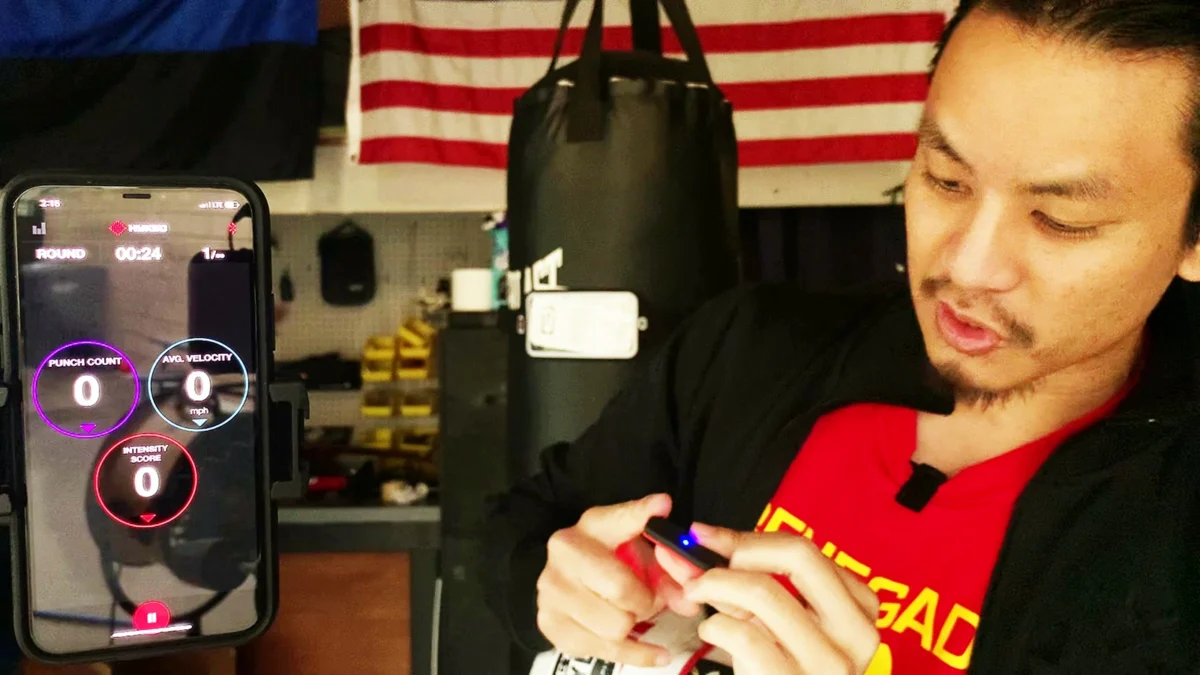
To understand the appeal and limitations of these devices, it is helpful to examine their underlying mechanics. In essence, boxing punch trackers function much like a traditional fitness wearable, only tailored for the hands rather than the wrist. Just as a standard step counter records movement frequency, a boxing performance tracker monitors the volume of punches thrown during a training session.
Beyond simple punch counting, the capabilities of these sensors vary widely. Some models attempt to differentiate between straight punches and curved strikes, such as hooks and uppercuts. Others incorporate metrics labeled as "G-force" or "power," though these calculations often lack the precision required for meaningful technical analysis, serving primarily as supplemental data to create a more comprehensive dashboard.
The appeal of these fitness trackers often splits along clear demographic lines. For professional and amateur competitors, the allure lies in the relentless pursuit of an edge. Diehard athletes are notoriously willing to experiment with any new training tool or methodology if it promises a competitive advantage. In theory, tracking punch output can provide useful metrics during solitary bag work where no coach is available to tally repetitions.
For beginners and casual fitness enthusiasts, the appeal leans heavily toward gamification and novelty. Without structured gym environments, sparring partners, or formal drills, strapping on a high-tech sensor and syncing it with a smartphone adds an interactive element to otherwise repetitive workouts. It transforms a solitary heavy bag session into a game of beating high scores, bridging the gap between traditional combat training and digital entertainment.
The Flaws of Performance Trackers: Quantity Versus Quality
Despite the enthusiasm surrounding smart fitness devices, serious practitioners frequently raise significant concerns regarding their practical utility. Chief among these criticisms is that current trackers measure quantity rather than quality.
A traditional boxing coach rarely focuses solely on the sheer volume of punches thrown. Instead, a trainer’s critical eye is trained on defensive posture, hand positioning, weight distribution during a right cross, and proper elbow elevation on a left hook. Punch trackers cannot evaluate technique, defensive awareness, or tactical strategy. They measure frequency and, in some cases, velocity, combining these metrics to generate an intensity rating.
This singular focus on output introduces a secondary, more concerning issue: the potential degradation of technique. When users are incentivized to maximize their numeric score or beat a previous high score, the psychological pressure to punch faster can lead to compromised form and sloppy mechanics. While tracking total punch count may benefit individuals whose primary goal is general cardiovascular conditioning, competitive fighters striving to refine their craft will find that punch volume on a heavy bag ranks among the least critical variables in overall athletic development.
Furthermore, the physical limitations of these devices restrict their usage primarily to heavy bag training and shadowboxing. Trackers are rarely utilized during live sparring or advanced mitt work. During active sparring, fighters must dynamically adapt to an opponent’s movements, shifting seamlessly between high-intensity exchanges and measured tactical intervals. Similarly, pad work involves fluid transitions between continuous combinations and defensive drilling. Because existing sensors struggle to accurately capture complex, close-range inside fighting, short hooks, or rapid speed bag revolutions, their utility is largely confined to the heavy bag—the quintessential training tool for isolated workouts.
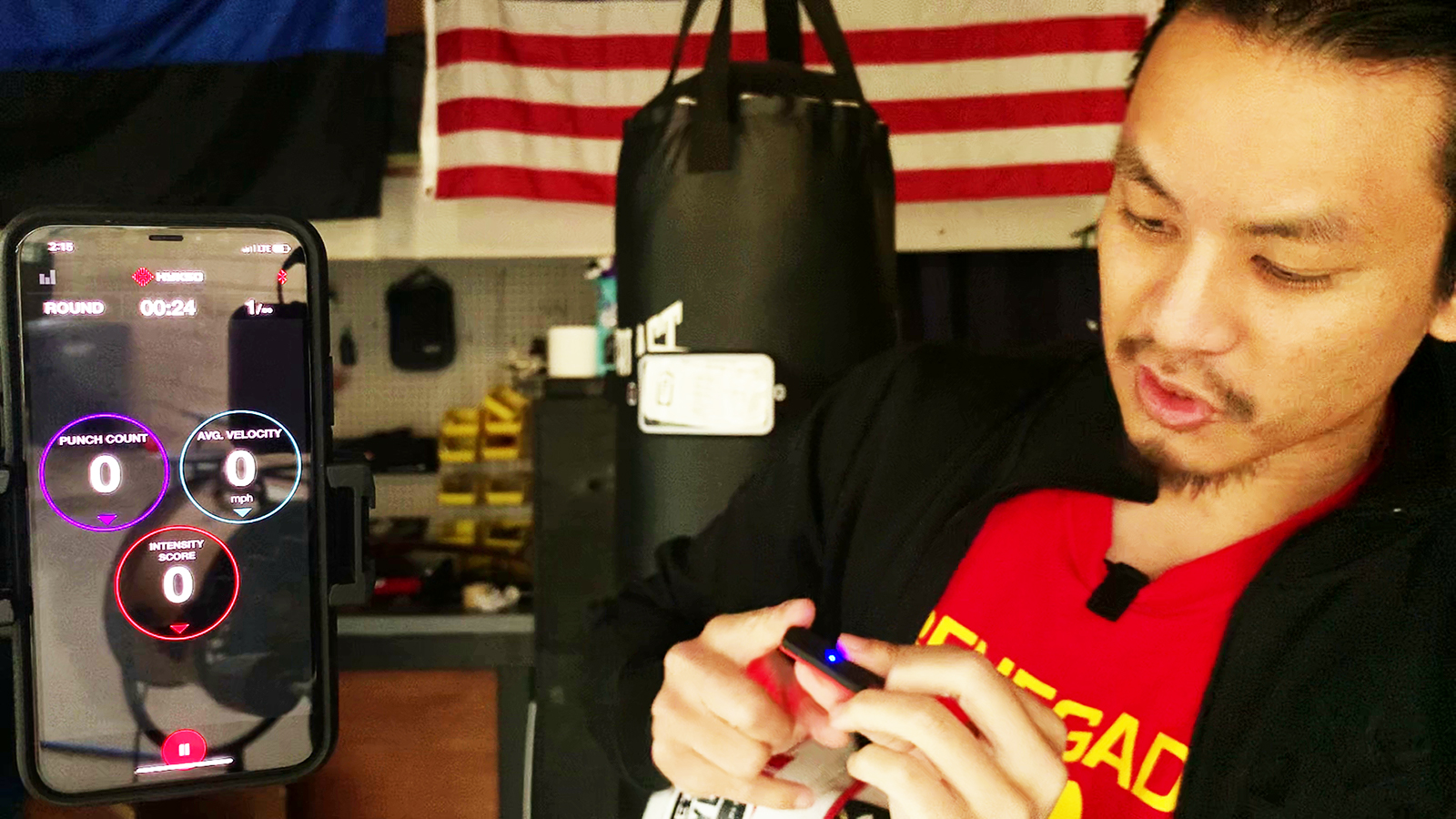
Logistical inconveniences further compound these drawbacks. Unlike handwraps and boxing gloves, which offer a psychological transition into a focused training mindset, strapping additional sensors onto the hands or threading them through wraps often feels like an unnecessary hurdle. Navigating smartphone applications with sweaty hands, dealing with lace-up gloves, or finding a safe proximity for a mobile device near a heavy bag can render the user experience cumbersome.
A Comparative Review of Leading Punch Trackers
Evaluating the market from best to worst reveals distinct differences in hardware performance, software design, and overall usability among the leading manufacturers.
PunchLab takes a refreshingly minimalist approach by eliminating dedicated hand sensors entirely. Instead, users download a smartphone application and secure the phone directly to the heavy bag using a specialized belt. This design avoids the hassle of wearable trackers while providing an interactive visual feedback screen that remains visible throughout the workout. Beyond tracking bag impacts based on frequency, the PunchLab application excels through its inclusion of instructional content developed by experienced boxing coaches, prioritizing fundamental technique from a purist perspective.
FightCamp, formerly known as Hykso, stands as one of the most established and recognizable brands in the performance tracking space. Backed by polished marketing, sleek hardware, and intuitive indicator lights to distinguish between left and right hand sensors, FightCamp has successfully transitioned from standalone hardware to a comprehensive home-workout subscription model. While early iterations of the underlying Hykso technology offered little more than basic punch counting, the modern FightCamp ecosystem delivers high-production training videos, performance leaderboards, and structured class formats that cater successfully to both fitness enthusiasts and dedicated practitioners.
Corner occupies a unique space by positioning itself primarily as a home fitness application that happens to feature well-designed, user-friendly hand trackers. The platform leans heavily into general home fitness and virtual training classes rather than strict boxing instruction. While the hardware is comfortable and the software integration—including Spotify connectivity—is exceptionally sleek, the relative lack of focus on traditional boxing metrics may leave purists feeling that the system is tailored more toward general fitness than combat sports.
Everlast PIQ combines the hardware manufacturing experience of two distinct brands to offer a sensor suite capable of tracking a wide array of metrics with notable technical accuracy. The accompanying application provides extensive statistical breakdowns and sports-game-style leaderboards. However, these technical strengths are significantly undermined by persistent hardware challenges, including frustrating device connectivity issues and a battery life that limits practical usability. Additionally, the limited selection of updated training routines and a clunky user interface can cause user engagement to wane over time.
StrikeTec entered the market aiming to capture early share but struggled with execution delays and platform fragmentation, notably launching with an Android-exclusive application before developing an iOS version. This oversight, combined with distribution hurdles and fluctuating web presence, hampered its adoption among mainstream fitness and boxing communities.
Generic, unbranded trackers found on online retail platforms generally mirror the shortcomings of established brands without offering the software support, warranty, or accurate sensor calibration required for consistent training use, leading to widespread user frustration.
The Future of Boxing Technology
The current generation of boxing punch trackers demonstrates clear ambition, yet the industry remains in a transitional phase. Bridging the gap between a novelty fitness gadget and an indispensable training implement will require continued innovation in sensor accuracy, software integration, and instructional depth. Until hardware developers find seamless ways to evaluate technical execution alongside raw output, these devices will likely remain supplementary novelties for casual enthusiasts rather than essential tools for serious fighters.