

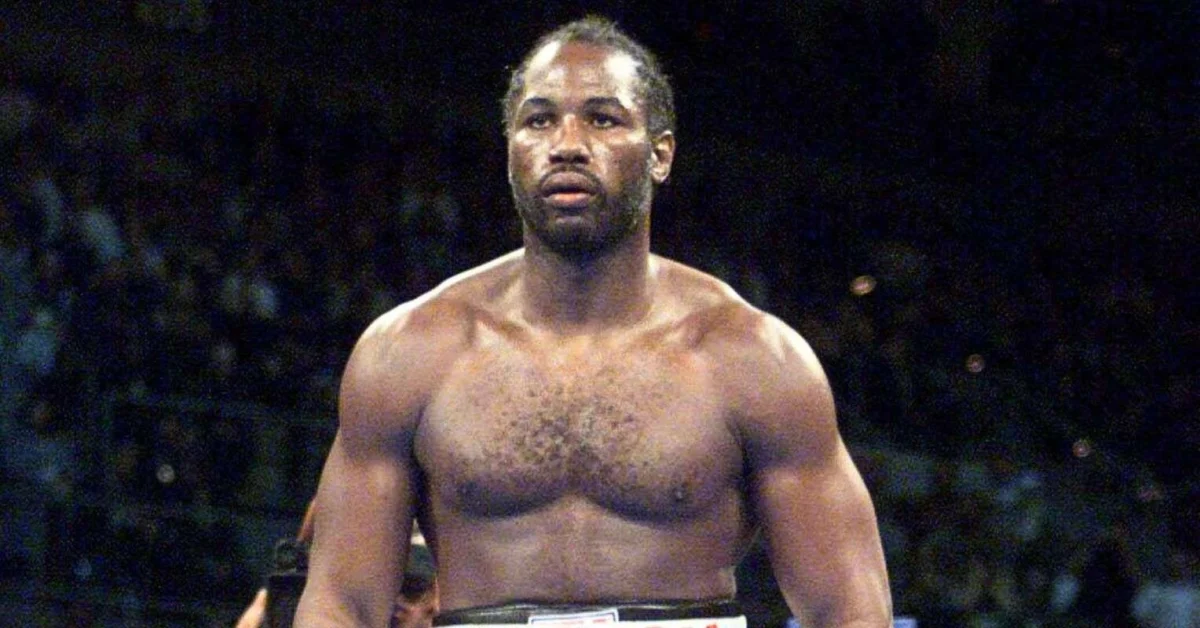
Lennox Lewis stands firmly in the history books as one of the most dominant and complete heavyweight champions of the modern era. Standing at six-foot-five with an imposing physical frame, exceptional boxing fundamentals, a blistering and educated jab, and an elite ring IQ, Lewis navigated a golden era of the sport to become the undisputed heavyweight champion of the world. Along the way, he defeated nearly every top-tier contender and Hall of Fame-caliber opponent of his generation, cementing a legacy built on technical mastery and devastating power.
Yet, even the most decorated champions in combat sports remain vulnerable to the unpredictable nature of the heavyweight division—particularly when complacency sets in and an opponent is gravely underestimated.
That vulnerability was exposed in April 2001 in the highveld of South Africa, where Lewis walked into the ring to defend his world titles against Hasim Rahman. At the time, the bout was treated almost entirely as a formality by the boxing public and media—a routine tune-up fight designed to keep the champion active and sharp before a lucrative, highly anticipated mega-fight against Mike Tyson.
Rahman, while a respected and capable professional boxer, entered the championship environment with zero world title fight experience. Oddsmakers and analysts viewed him as a massive 15-to-1 underdog, with the prevailing narrative focusing not on whether Lewis would win, but on how quickly he would dispatch his challenger. Most observers fully expected Lewis to coast to a comfortable victory and move straight toward the record-breaking payday against Tyson.
Behind the scenes, however, the preparation for the defense in Johannesburg was far from ideal. "The Lion" had spent a significant portion of his crucial training camp distracted by cinematic commitments, filming a movie role that pulled him away from the strict regimen required at the championship level. Furthermore, Lewis arrived in South Africa exceptionally late, giving his body virtually no time to adjust to the demanding altitude and environmental conditions of Johannesburg.
In stark contrast, Hasim Rahman was entirely dedicated, fully acclimatized to the local climate, and possessed an unshakeable hunger to seize the opportunity of a lifetime. While Lewis labored under the heavy atmosphere, Rahman moved with crisp purpose and sharp focus as the opening bell sounded.
As the rounds unfolded under the African lights, it quickly became apparent that something was deeply amiss with the champion. Lewis appeared uncharacteristically sluggish, flat-footed, and lacking his trademark snap and defensive sharpness. Rahman, sensing the opening he had dreamed of, pressed forward with calculated aggression, refusing to be intimidated by the reputation of the man standing across the canvas.
The turning point arrived abruptly in the fifth round. Rahman uncorked a devastating, perfectly timed overhand right that traveled cleanly through the champion’s guard and caught Lewis flush on the jaw. The impact was instantaneous and catastrophic. Lewis went down hard, crashing to the canvas in a heap, completely unconscious. The referee immediately waved off the bout as it became clear the champion could not beat the count.
The result sent shockwaves across the global sporting landscape, instantly securing its place as one of the most monumental and stunning upsets in the long history of the heavyweight division. Rahman was crowned the new unified heavyweight champion, an achievement that sent the boxing world into a frenzy.
Though Rahman’s reign at the top would prove to be brief—as Lewis swiftly exercised his contractual rematch clause later that same year and reclaimed his titles via a brutal knockout—the initial upset remains a stark, enduring cautionary tale regarding the dangerous costs of complacency. It stands as a timeless reminder that in the unforgiving theater of professional boxing, a single punch possesses the power to rewrite history in a fraction of a second.
Reflecting on the dramatic twists and turns of that definitive two-fight saga later in his career, Lennox Lewis offered a candid assessment of the darkest chapter of his professional journey.
"When Hasim Rahman knocked me out in 2001, it was the lowest point of my career," Lewis admitted. "I’d been champion, undefeated for years, and I got careless. People said I was done, that I’d never get the title back. I took it personal, he talked about my mom, my life, and I couldn’t let that stand."
The psychological toll of the defeat forced the champion to completely recalibrate his approach, transforming the bitter taste of defeat into an obsessive drive for redemption in the training room.
"Training for the rematch was hell, I had to prove I wasn’t a fluke," Lewis said. "When I knocked him out in the fourth round, it wasn’t just about the belt, it was about showing the world I could come back from a loss and still be the best. That’s what boxing is: you fall, you rise."