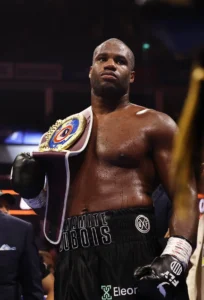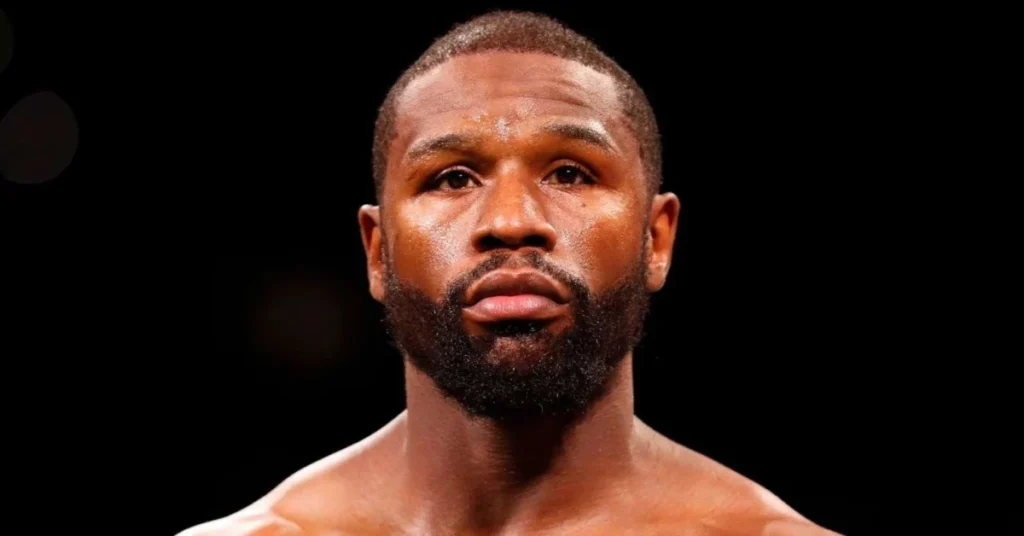
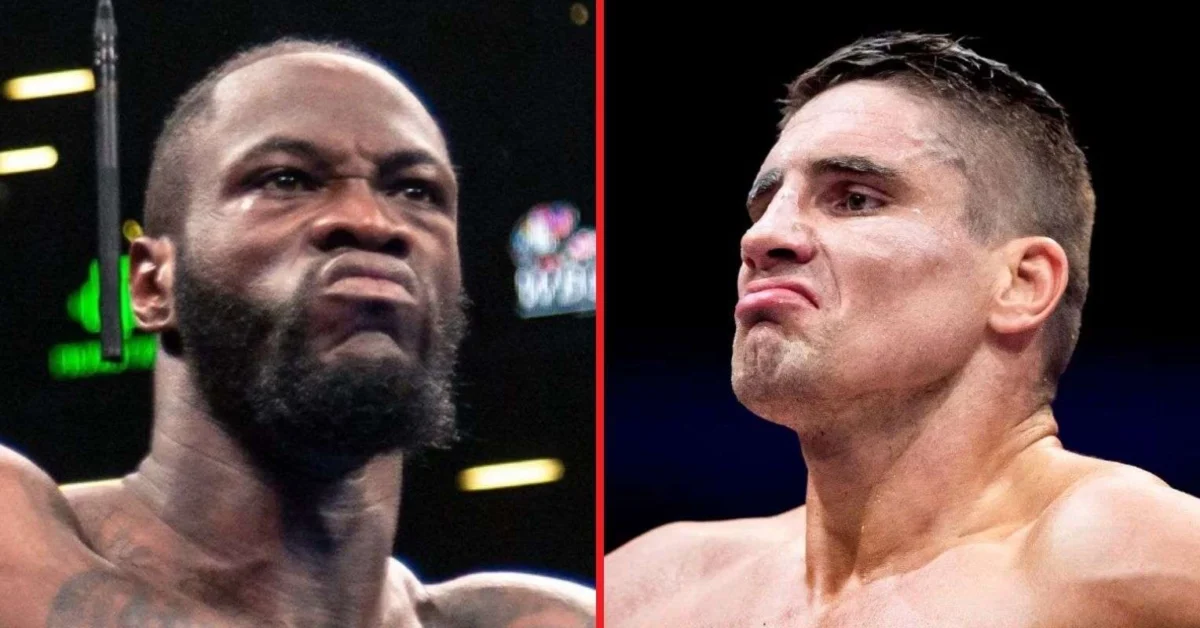
Former two-weight world boxing champion David Haye has shared his analytical prediction regarding how kickboxing legend Rico Verhoeven would handle the terrifying punching power of former heavyweight champion Deontay Wilder, should the heavily discussed cross-over bout officially come to fruition.
The renewed speculation surrounding Verhoeven’s boxing future stems from his astonishing and unexpectedly competitive bid for Oleksandr Usyk’s heavyweight championship. Setting the combat sports world abuzz, Verhoeven traveled to the historic Pyramids of Giza for a high-profile challenge against the undefeated unified champion. When the bout was first announced, it was met with significant skepticism and outright criticism from large sections of the boxing community, who viewed the matchup as an egregious mismatch. After all, Verhoeven’s solitary professional boxing bout had taken place more than twelve years prior, leading many to question how a kickboxing specialist could seamlessly step into a championship ring against arguably the most technically proficient heavyweight of his era.
However, once the opening bell rang under the Egyptian night sky, the narrative shifted dramatically. Verhoeven came remarkably close to pulling off what would have been widely regarded as the most unprecedented upset in the history of modern prize fighting, threatening to become the single most inexperienced world champion in boxing history. He pushed the pound-for-pound maestro deep into the championship rounds, holding his own and shocking pundits until a controversial round 11 stoppage finally halted his momentum and allowed Usyk to narrowly retain his coveted championship belts.
That performance fundamentally altered how the combat sports landscape views Verhoeven’s capabilities inside the squared circle. Amid lingering rumors that the Dutch heavyweight star could make a high-profile appearance on the undercard of December’s blockbuster Tyson Fury versus Anthony Joshua bill, David Haye sat down with talkSPORT Boxing to dissect a potential future matchup against America’s "The Bronze Bomber," Deontay Wilder. Reports have indicated that this is a fight Verhoeven has already openly accepted, setting the stage for what could be another fascinating chapter in the modern era of heavyweight cross-over events.
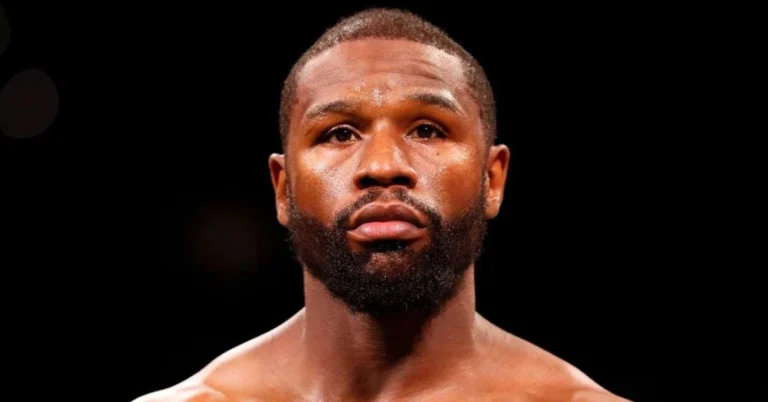
When evaluating the dynamics of a hypothetical clash between Wilder and Verhoeven, Haye emphasized that the outcome would largely hinge upon which version of the notoriously heavy-handed American steps through the ropes. Reflecting on Wilder’s most recent outing in April—where he secured a hard-fought points victory over British veteran Derek Chisora—Haye noted that the former champion did not entirely resemble the fearsome knockout artist of his prime years.
Haye pointed out the critical variables surrounding Wilder’s current career trajectory, questioning whether the hard-hitting puncher will continue to slip away from his peak form or if he will somehow manage to roll back the years for one more signature explosive performance. According to Haye, the defining factor in any bout against Verhoeven would be Wilder’s trademark right hand, noting that because Verhoeven does not possess a deep, lifelong amateur or professional background in smoothly evading the concussive power of elite heavyweight punchers, the American could easily find an opening and zap him just as he did to so many opponents during his dominant championship reign.
Despite leaning toward a victory for Wilder due to that sheer, game-changing punching power, Haye was quick to offer a measured counter-argument that highlights Verhoeven’s steep learning curve and potential for rapid improvement. The former cruiserweight and heavyweight kingpin stressed that Verhoeven will almost certainly step into his next professional boxing match as a vastly improved athlete compared to the man who stood across the ring from Usyk at the Pyramids of Giza.
Elaborating on the unique challenges of transitioning sports at an elite level, Haye explained that fighters learn immeasurable lessons during their first major test against an established world-class champion. In Haye’s expert estimation, a competitor of Verhoeven’s caliber is bound to be significantly better the second time around once the initial shock and demands of championship-level boxing have been fully processed.
Haye further elaborated on the technical nuances that dictate success in professional boxing compared to kickboxing, noting that there are subtle, intricate movements and defensive responsibilities that athletes must master over time. Having only recently made the monumental transition from kickboxing to the highest levels of professional boxing, Verhoeven has spent crucial time absorbing those adjustments. Haye suggested that having another year of training under his belt to ingrain the correct footwork, head movement, and tactical pacing will make Verhoeven a considerably more effective and dangerous heavyweight contender the next time he laces up the gloves.
As the heavyweight division looks ahead to the remainder of the calendar year, Deontay Wilder remains a central figure in several high-stakes matchmaking conversations. Following his points victory over Derek Chisora in the spring, "The Bronze Bomber" has found his name persistently linked to multiple lucrative and challenging opportunities. Alongside the heavily discussed potential collision with Rico Verhoeven, Wilder has also been mentioned in connection with a prospective showdown against undefeated cruiserweight standout Jai Opetaia, with both fights being floated as potential marquee attractions for the forthcoming Fury versus Joshua fight card.