


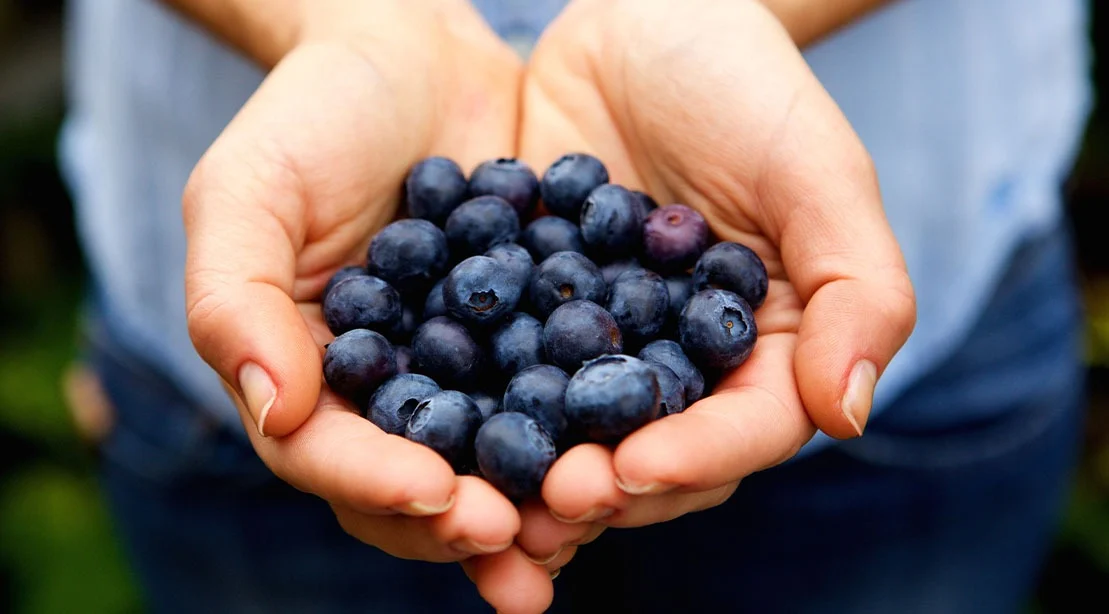
A groundbreaking new scientific study conducted in Japan has identified how pterostilbene—a naturally occurring compound found abundantly in popular fruits such as blueberries, bilberries, grapes, and cranberries—may actively assist the human body in burning excess fat stored deep within skeletal muscles.
For years, nutritional experts and medical researchers have widely recognized pterostilbene as a potent antioxidant capable of delivering a diverse array of health benefits. These previously established advantages include the reduction of systemic inflammation and support for cellular DNA repair mechanisms. However, this latest breakthrough study, spearheaded by researchers at Shinshu University in Japan, has cast significant new light on long-standing hypotheses suggesting that this unique compound could also serve as a critical instrument in the ongoing medical battle against excess lipid accumulation and obesity-related metabolic complications.
Until the publication of this recent research, remarkably little was understood regarding the precise biochemical pathways through which pterostilbene—classified scientifically as a naturally occurring polyphenol—might accelerate lipid and fat metabolism directly inside skeletal muscle tissue. During laboratory experiments utilizing cultured mouse cells, researchers tested a variety of promising compounds. Among them, pterostilbene emerged as the clear standout, producing the most dramatic and measurable reduction of what scientists formally categorize as "intracellular lipid accumulation." Crucially, while the compound successfully drove down the concentration of fat within the muscle cells, it demonstrated zero detrimental side effects on overall muscle function, safely permitting normal cellular development, growth, and structural integrity to continue unhindered.
How Does Pterostilbene Burn Intramuscular Fat?
The identification of reliable, targeted methods for burning intramuscular fat is considered a matter of paramount importance by medical professionals, who have increasingly linked excessive fat storage inside muscle tissues to severe cardiovascular complications. Earlier independent studies published in major medical journals have repeatedly shown that abnormally high concentrations of fat embedded within skeletal muscles can directly contribute to complex heart dysfunctions, an elevated risk of heart attacks, and preventable cardiovascular-related mortality. As modern lifestyles and dietary habits contribute to rising metabolic disorders, finding safe interventions to clear ectopic fat from muscle tissue has become a major focus for preventative medicine.
According to the findings of the latest research out of Japan, when pterostilbene was introduced into the muscular cellular environment, it appeared to successfully trigger the active release of glycerol on the outer boundaries of the cells. In cellular biology, this phenomenon serves as a clear, unmistakable biochemical sign that stored fat molecules are actively being broken down into their component parts. Furthermore, cells that were administered pterostilbene displayed clear markers of heightened fatty acid oxidation. This essential metabolic process indicates that the excess lipid stores were not merely being shifted elsewhere in the body, but were instead being actively oxidized and burned away to serve as cellular fuel.
"Our findings establish a scientific framework for developing functional foods and nutritional supplements that target muscle fat metabolism," noted Dr. Mitan, who led the comprehensive new research initiative at Shinshu University.
This specific mechanism holds profound significance for the broader landscape of health and weight management. The fact that vital structural proteins were left entirely intact by the action of pterostilbene represents exceptionally positive news for researchers and clinicians alike. Preserving lean muscle mass while simultaneously dropping overall body fat percentage remains one of the most persistent and difficult challenges faced by individuals pursuing weight loss. This specific hurdle has been brought into even sharper focus in recent times due to the explosive global popularity of newer weight-loss pharmaceuticals, such as Ozempic-style GLP-1 receptor agonist drugs, which often prompt concerns regarding the concurrent loss of crucial muscle mass alongside fat reduction.
Despite these extraordinarily promising laboratory results, researchers emphasize that the therapeutic application of pterostilbene remains in its early stages. Because the treatment was observed and tested exclusively on cultured cells within a controlled laboratory environment, the essential next step for the scientific team will involve transitioning the research to living tissues and animal models. This phase is necessary to definitively prove the existence of a safe, predictable, and effective real-life physiological response before the compound can realistically be advanced toward clinical trials or commercial pharmaceutical applications. Until those advanced trials are successfully completed, individuals seeking to harness the natural properties of the compound may simply wish to keep a fresh bowl of blueberries close to hand as part of a balanced, antioxidant-rich diet.