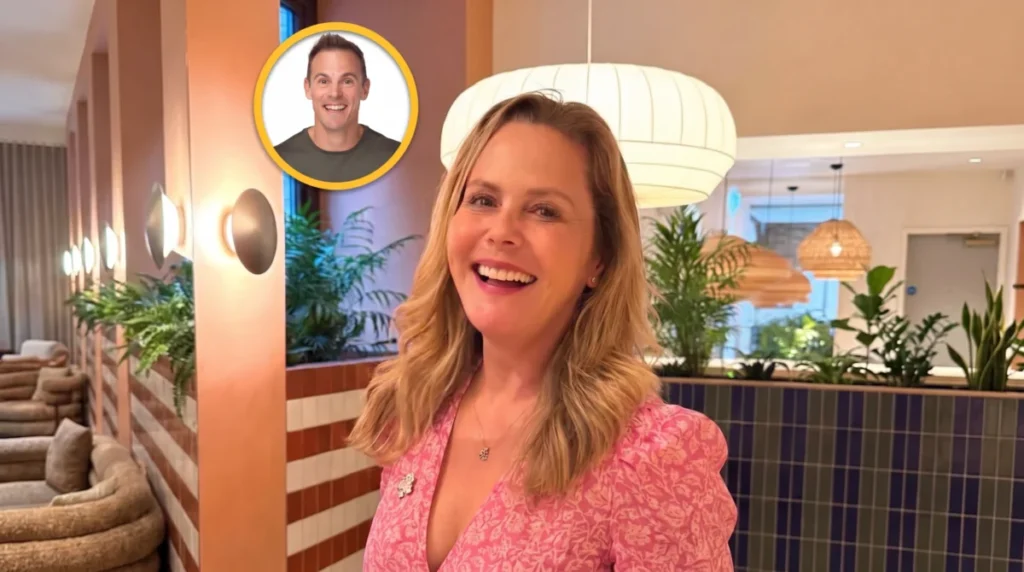


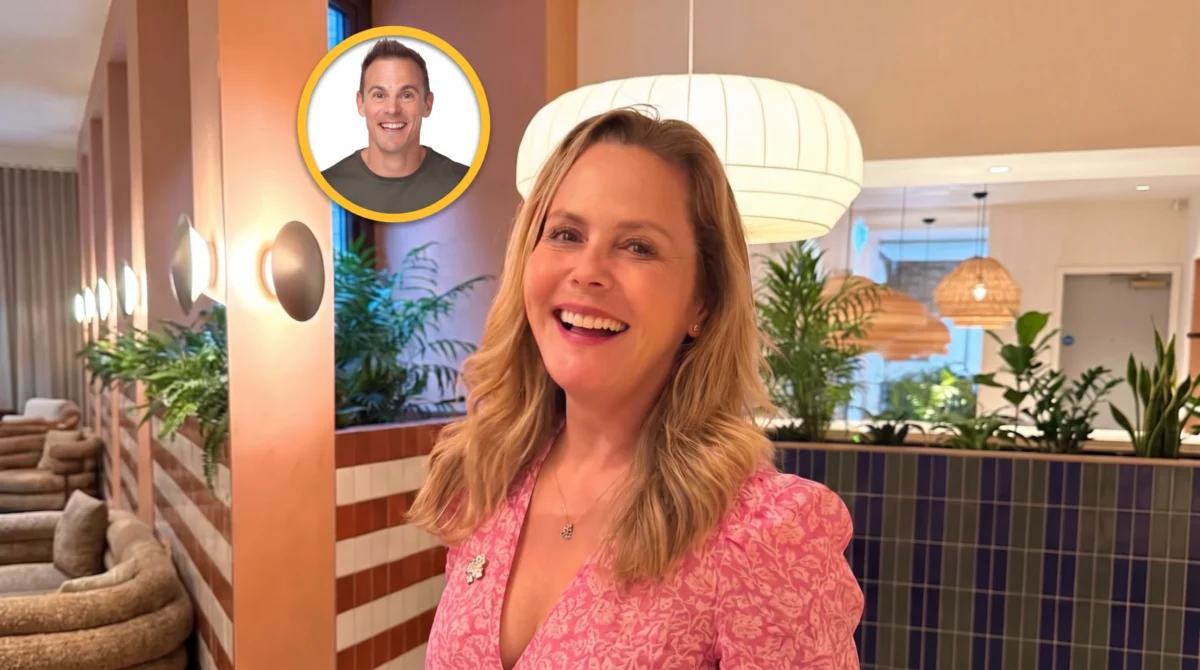
For decades, wellness entrepreneur and prominent media figure Liz Earle has been a defining voice in the British beauty and lifestyle landscape. Having built a multi-million-pound career around holistic health, skincare, and mindful living, Earle has spent much of her adult life in the public eye. Yet, now at the age of 63, she is finding a profound sense of liberation in shedding the expectations, routines, and societal pressures that once dictated her daily life.
In a recent and remarkably candid reflection shared with her followers and the media, the Women’s Health cover star opened up about the transformative nature of growing older. Rather than viewing ageing as a decline, Earle has embraced it as a period of clarity, where habits that no longer serve a meaningful purpose are consciously discarded. From abandoning weight-obsessed fitness regimens to reclaiming the psychological freedom of letting go of constant approval, her recent admissions point to a broader cultural shift in how modern women approach midlife and longevity.
This philosophy of subtraction over accumulation underpins five distinct changes Earle has made in her sixties. Each shift represents a deliberate move away from performance and towards authenticity, prioritizing enduring health over fleeting aesthetic standards.
The Freedom That Comes With Age
Reflecting on the psychological evolution that accompanies later life, Earle described the sheer relief of no longer carrying the heavy psychological burden of other people’s opinions. For much of her younger life, she admits to expending significant emotional energy worrying about how she was perceived by the outside world. Looking back, she recognizes that anxiety as a substantial waste of personal resources.
Now in her sixties, that persistent confusion has been replaced by a firm sense of self-knowledge. Earle notes that she no longer feels the compulsion to endlessly try to please everyone around her, having cultivated a deep understanding of what genuinely works for her mind and body. This newfound mental clarity serves as the foundation for the lifestyle adjustments she has made, marking a departure from societal conditioning and a return to what she values most.
1. She No Longer Exercises to Be Thin
Perhaps one of the most significant physical shifts Earle has made is her complete departure from aesthetic-driven fitness. The days of working out primarily to shrink her body or meet a specific dress size are firmly in the past. Instead, her entire relationship with physical exertion has been reframed around the preservation of bodily autonomy and long-term functional health.
These days, Earle trains explicitly to build strength, protect her muscle mass, support her bone density, safeguard her cognitive health, and maintain her independence as she moves through her sixties and beyond. The numerical readout on the bathroom scale has lost its power, replaced by a much more empowering metric: how capable and robust her body feels in daily life.
To achieve this, Earle has turned her attention to strength training, widely recognized by health professionals as one of the most effective tools for preventing muscle loss and maintaining metabolic health after the age of forty. Rather than spending endless hours on cardiovascular equipment chasing calorie burns, she focuses heavily on compound movements that recruit multiple muscle groups simultaneously.
Working alongside her personal trainer, Michael Garry, Earle engages in a highly efficient routine just three times a week for 35 minutes per session. Her preferred exercises include fundamental functional movements like squats, lunges, push-ups, and rows. These can be executed using dumbbells, resistance bands, or simply bodyweight, adhering to the principle of progressive overload—gradually increasing the resistance or challenge over time to ensure continuous muscular adaptation. This targeted approach allows her to maintain a robust metabolism and support physical longevity without requiring a punishing, time-consuming gym schedule.
2. She No Longer Obsessively Avoids Sunlight
In stark contrast to the stringent sun-avoidance culture that dominated the beauty industry for decades, Earle has adopted a much more balanced and biologically informed approach to natural light. While she remains sensible about preventing sunburn and skin damage, she has moved away from blanket protection and now actively seeks out morning daylight as a core component of her daily routine.
Earle dedicates a portion of her morning to absorbing natural light, a habit she credits with helping to regulate her circadian rhythm, stabilize her energy levels, and improve the quality of her sleep. Beyond sleep and energy, she points to the physiological role of morning sunlight in supporting cellular mitochondria—the microscopic powerhouses within our cells—and contributing to natural vitamin D synthesis.
Acknowledging the well-documented risks associated with excessive ultraviolet exposure, Earle maintains that absolute avoidance is neither practical nor optimal for overall wellness. For her, it is a matter of deliberate, measured exposure that balances the protective measures she has practiced for years with the undeniable health benefits of the natural environment.
3. She No Longer Tolerates One-Sided Relationships
As she has navigated her sixties, Earle has grown fiercely protective of her emotional boundaries, particularly regarding her social circle. She firmly believes that personal relationships should act as sources of warmth, kindness, and mutual support, asserting that life is simply too short to accommodate emotional drains or unreciprocated energy investments.
This boundary-setting is rooted in a growing body of scientific research highlighting the profound impact of social connections on physical health. Studies frequently link the maintenance of high-quality friendships with reduced stress levels, enhanced mental well-being, healthier patterns of ageing, and even increased longevity. For Earle, nurturing friendships is not an optional luxury or a secondary past-time; it is a foundational pillar of healthy ageing that she treats as a vital health investment.
Recalling times when close friends have quietly carried her through some of life’s most formidable challenges, Earle views her social network with deep gratitude. By deliberately cutting ties with superficial or draining dynamics, she ensures that her time and emotional capacity are reserved for relationships characterized by true reciprocity and mutual care.
4. She No Longer Has Lengthy Product Routines
As a veteran entrepreneur who has spent her career immersed in the formulation and marketing of beauty products, Earle’s personal grooming regimen has undergone a dramatic simplification. Her daily application routine has been pared down to the absolute essentials, reflecting a broader shift away from excess and toward ease.
An evening out might now see her using only a minimal selection of items: a touch of concealer, a versatile blush stick applied to both lips and cheeks, a subtle eyeshadow, and a single coat of mascara to subtly define her eyes. This minimalist philosophy extends to her natural features, most notably her eyebrows. Having lived through the over-plucked beauty trends of the 1980s, Earle has consciously chosen to let her brows grow naturally rather than subjecting them to constant plucking and shaping.
This streamlined approach encapsulates a philosophy of authentic presentation, where natural features are allowed to speak for themselves rather than being obscured by heavy layers of cosmetics or overly complex maintenance rituals.
5. She No Longer Wastes Mental Energy Worrying About What Other People Think
Perhaps the most liberating psychological milestone Earle has reached is the cessation of people-pleasing. While she continues to value and listen to the advice of those she deeply trusts, she has fully accepted that universal approval is an impossible and ultimately fruitless pursuit.
Central to this realization is the development of the word "no." Earle credits learning how to decline unwanted commitments as one of the most powerful preventative health measures available in later life. She notes that chronic stress, constant overcommitment, and the pressure to accommodate every external demand take a cumulative, tangible toll on the human body over time. Protecting one’s personal time and energetic reserves is not viewed by Earle as an act of selfishness, but rather as an essential requirement for graceful, healthy ageing.
By establishing firm personal boundaries, Earle preserves the necessary internal space required to show up fully for the people, projects, and passions that genuinely matter to her.
The Bigger Picture: Ageing as Liberation
Taken as a whole, Liz Earle’s recent reflections offer a cohesive blueprint for navigating the complexities of growing older in the modern world. Her transition away from restrictive habits and towards intentional living paints a clear picture of her overarching philosophy: that successful ageing is not an adversarial battle against the passage of time, but an active collaboration with it.
By shedding the cultural pressures to maintain a specific physical size, obsessively fear natural elements, maintain draining social dynamics, manage exhausting product regimens, or seek universal validation, Earle has cleared a path toward genuine autonomy. Her sixties have become defined not by what she has lost to time, but by what she has claimed in return—strength, vitality, simplicity, and deep, enduring personal freedom.