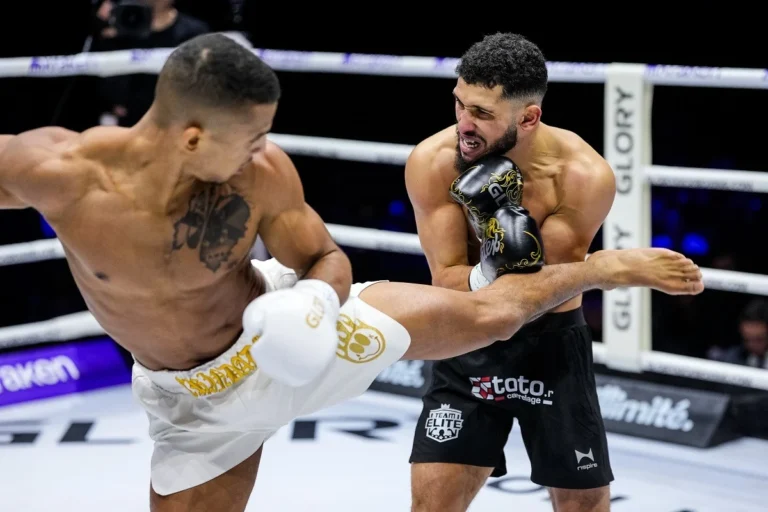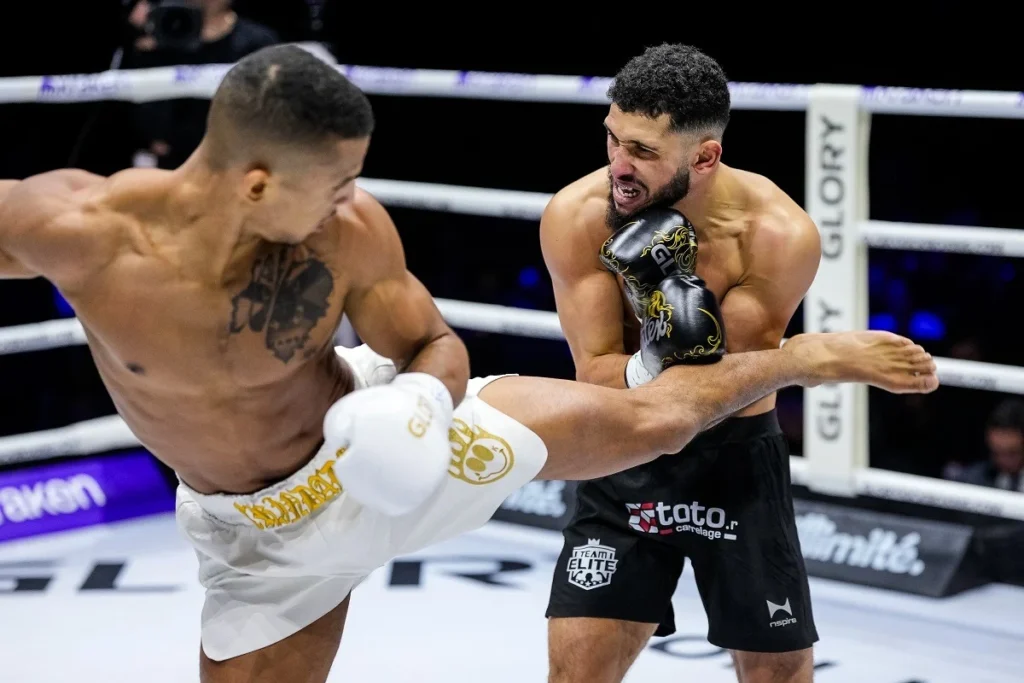



Mixed Martial Arts has evolved far beyond the stylistic clashes of its early days into a sophisticated, highly athletic discipline where the margins for victory are razor-thin. Today’s elite competitors cannot rely on skill alone; they must possess a unique, highly specialized blend of athleticism that combines raw power, relentless endurance, impeccable agility, and technical precision. To dominate opponents across the multifaceted landscape of a modern bout—whether executing a lightning-fast striking combination, defending a desperate takedown, or maintaining suffocating ground control—fighters require a meticulously designed strength and conditioning regimen. As the sport continues to grow in popularity and technical sophistication, industry analysts and athletic trainers increasingly point to physical preparation as the definitive differentiator between victory and defeat inside the cage or ring.
Why Strength and Conditioning is Critical for MMA Fighters
Widely recognized as one of the most physically demanding sports on the planet, MMA forces competitors to absorb and deliver high-impact trauma while constantly shifting between aerobic and anaerobic energy systems. A fighter must be capable of generating devastating force with punches and kicks, executing prolonged and physically draining grappling exchanges, and retaining the cardiovascular capacity to maintain this punishing intensity across multiple rounds. A well-rounded strength and conditioning program serves as the physical foundation that allows athletes to withstand these rigorous demands without burning out.
The benefits of a structured physical preparation program extend across several vital performance metrics. Primarily, it dramatically improves power production. Power is an indispensable asset in MMA, directly translating to the ability to strike with sudden force and explosive impact. Targeted strength training enhances fast-twitch muscle fibers, which in turn facilitates harder punches, more dominant takedowns, and explosive grappling maneuvers that can alter the momentum of a fight in seconds.
Equally important is the development of increased endurance. Championship bouts can last up to 25 minutes of continuous, high-stress combat. Proper conditioning protocols ensure that fighters maintain their energy reserves throughout each round, staving off the debilitating onset of fatigue and preserving high-level performance as the contest progresses into the championship rounds.
Beyond raw power and stamina, structured conditioning enhances agility and balance. These attributes are crucial for both offensive execution and defensive preservation, dictating a fighter’s ability to change direction instantly and maintain a low, stable center of gravity while trading blows or jockeying for position on the canvas.
Furthermore, injury prevention remains a paramount concern in combat sports. Conditioning the musculature, tendons, and ligaments reduces the structural vulnerability of joints subjected to heavy impact and unnatural twisting forces. In a sport where the risk of catastrophic injury is ever-present, robust physical preparation acts as vital insurance. Finally, a properly conditioned body recovers at a significantly faster rate, both within the fleeting seconds between rounds and during the broader weekly recovery cycles of an intense training camp.
Key Principles for Training
Before examining the specific physical movements utilized by top-tier fighters, experts emphasize that a successful strength and conditioning program must be anchored in core physiological principles. These foundational concepts dictate how a regimen is designed, implemented, and adapted over time.
Specificity stands as the primary guiding rule. The exercises selected for an MMA program must closely mimic the biomechanical demands of actual combat. For instance, plyometric movements replicate the fast-twitch acceleration required for rapid striking exchanges, while heavy compound lifts build the specific structural strength required to control an opponent during grueling grappling sequences.
Periodization allows fighters to cycle their training intensity dynamically in alignment with their upcoming competition schedules. This principle involves strategic fluctuations in load, volume, and intensity depending on how close an athlete is to fight night. During the off-season, fighters often focus heavily on building raw strength and addressing structural imbalances, whereas the approach shifts toward explosive, sport-specific conditioning as the date of the bout draws near.
Progressive overload ensures continuous physiological adaptation. To build sustained strength and endurance, athletes must consistently challenge their bodies by incrementally increasing resistance, intensity, or training duration over time, thereby avoiding performance plateaus.
Recovery must be treated with equal reverence. Because MMA training places immense stress on the central nervous system and musculoskeletal framework, scheduled rest days, restorative sleep, and precise nutritional intake are essential components that allow damaged muscle tissue to repair and adapt.
Finally, functional movements that engage multiple muscle groups simultaneously are prioritized over isolated bodybuilding exercises. By mirroring the complex, multi-planar motions performed inside the cage, fighters build comprehensive athletic performance rather than isolated vanity muscles.
Translating these principles into practical application involves a carefully curated selection of foundational strength exercises. Movements such as heavy deadlifts target the entire posterior chain—including the glutes, hamstrings, lower back, and core—directly translating into superior grappling strength and explosive lifting capability. Similarly, back squats and front squats develop profound lower-body power necessary for heavy kicks, rapid level changes, and robust takedown defense.
Upper-body pulling movements like pull-ups develop the latissimus dorsi and biceps, which are critical for maintaining a suffocating clinch and executing devastating throws. Meanwhile, kettlebell swings forge explosive hip power that bridges the gap between striking and wrestling, while simultaneously offering a potent cardiovascular stimulus. Unilateral leg work, such as Bulgarian split squats, builds single-leg stability, coordination, and strength, directly enhancing the mechanics behind powerful roundhouse kicks and driving knee strikes. Finally, classic pressing movements like the bench press develop chest, shoulder, and triceps strength useful for both punching power and framing against an opponent.
The Best Conditioning Exercises for MMA Fighters
While strength provides the capacity to exert force, conditioning ensures that capacity can be sustained. Modern MMA training camps utilize a variety of specialized protocols to build world-class cardiovascular and muscular endurance.
High-Intensity Interval Training, commonly known as HIIT, serves as a cornerstone of modern fight preparation. By alternating between brief bursts of maximal-effort exertion and controlled periods of active recovery, HIIT directly mirrors the anaerobic energy systems taxed during chaotic exchanges in the cage, where fighters expend massive amounts of energy before settling into brief pauses in the action.
Battle ropes offer another dynamic tool for developing upper-body muscular endurance, shoulder stability, and aerobic conditioning, closely simulating the repetitive, explosive contractions demanded by striking. Circuit training, which involves cycling through a series of diverse exercises with minimal rest, elevates both muscular endurance and general physical preparedness.
Traditional tools like the jump rope remain indispensable for refining footwork, rhythm, and cardiovascular stamina, helping athletes stay light and agile on their feet as fatigue sets in. Additionally, heavy sled pushes provide an unmatched stimulus for full-body conditioning, taxing the lower body while closely replicating the grinding, relentless effort required during prolonged wrestling and fence-clinch battles.
As sports science continues to advance, the integration of targeted strength and conditioning remains an essential pillar of professional mixed martial arts. By carefully balancing functional strength, explosive power, and sport-specific endurance, fighters can maximize their competitive potential and secure a decisive edge over the competition. Conditioning experts continually remind athletes, however, that standardized programs must always be adapted to individual needs, experience levels, and physical histories, advising competitors to consult qualified exercise professionals when designing or modifying their training routines.