Mixed martial arts (MMA) has cemented its status as the fastest-growing combat sport on the planet, enjoying unprecedented commercial and cultural success over the past decade. Propelled by high-profile superstars such as Conor McGregor, Ronda Rousey, Jon Jones, and Brock Lesnar, the sport has captured the imagination of mainstream audiences far beyond the traditional pool of hardcore combat sports enthusiasts. Organizations like the Ultimate Fighting Championship (UFC) have evolved into multi-billion-dollar global enterprises, while contemporary promotions including ONE Championship, Bellator, and Rizin FC continue to expand the sport’s international footprint. MMA is now firmly established in the mainstream cultural and athletic landscape.
Despite this massive global following, many casual spectators and even regular viewers often overlook or fail to fully grasp the individual martial arts disciplines that make up the "mix" in mixed martial arts. To truly appreciate the complexity and high-level strategy unfolding inside the cage or ring, one must examine the foundational pillars upon which modern MMA is built. Elite athletes rarely succeed today by relying on a single discipline; instead, they are products of a complex cross-pollination of combat styles. A detailed look at the five most prominent and effective martial arts reveals how they shape the modern global game.
Wrestling
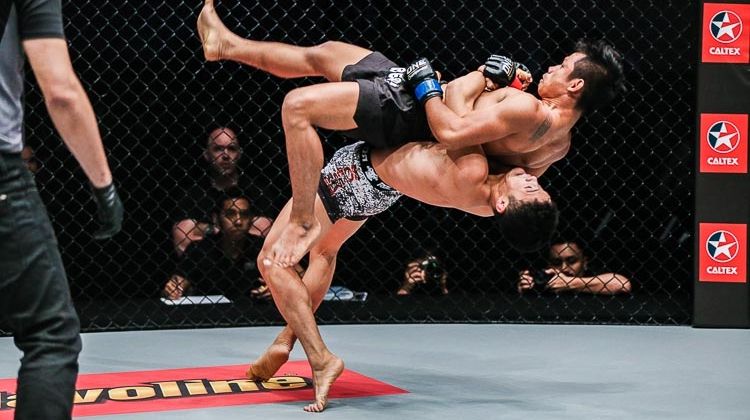
Wrestling stands as arguably the single most dominant and influential discipline in modern mixed martial arts. A quick glance at the championship lineages across major weight classes reveals an undeniable trend. Legendary competitors such as Daniel Cormier, Jon Jones, Robert Whittaker, Kamaru Usman, Khabib Nurmagomedov, Henry Cejudo, and Amanda Nunes have all relied heavily on elite wrestling bases to capture and defend their titles. The sustained success of wrestlers over the past decade demonstrates that the ability to dictate where a fight takes place is one of the most powerful assets an athlete can possess.
Without a strong wrestling background, fighters struggle to implement offensive takedowns or develop the crucial takedown defense necessary to keep a bout on the feet. Consequently, a superior wrestler often presents a stylistic nightmare for opponents who lack proficiency in this area. This dynamic was vividly illustrated at UFC 229 in October 2018, when former dual-weight champion Conor McGregor suffered the most overwhelming defeat of his career against Khabib Nurmagomedov—a master wrestler and Sambo specialist whose suffocating grappling dominance neutralized the Irishman’s renowned striking prowess.
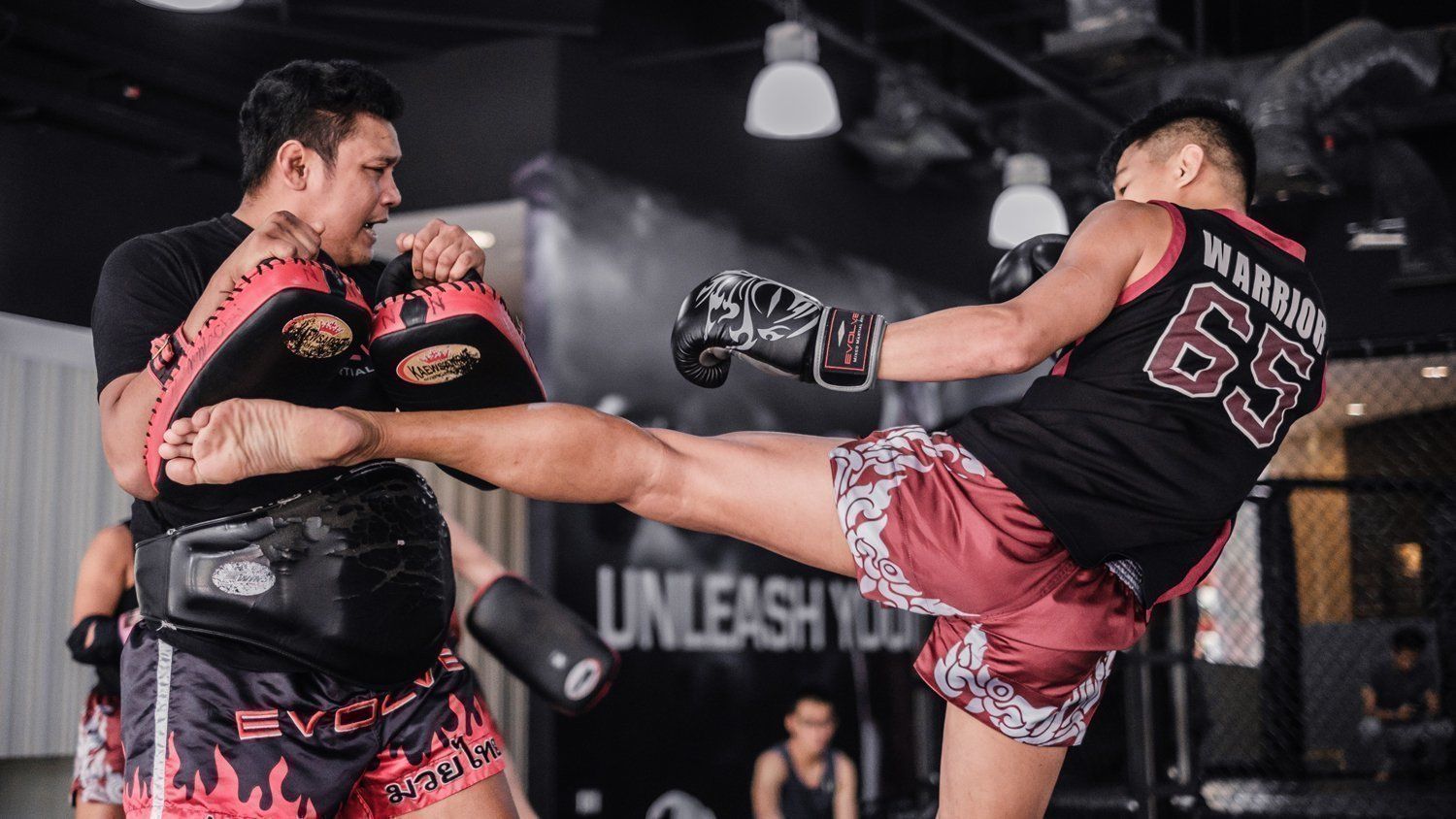
While collegiate wrestling cultures thrive in nations like the United States, countries in regions such as Ireland, the UK, Thailand, and various parts of Europe and Asia often lack this localized wrestling infrastructure. As a result, fighters emerging from these areas historically gravitate toward stand-up striking disciplines. When translated to the feet, striking arts like Muay Thai offer the closest functional equivalent to the controlling nature of wrestling, serving as an essential counterpart in global MMA camps.

Muay Thai
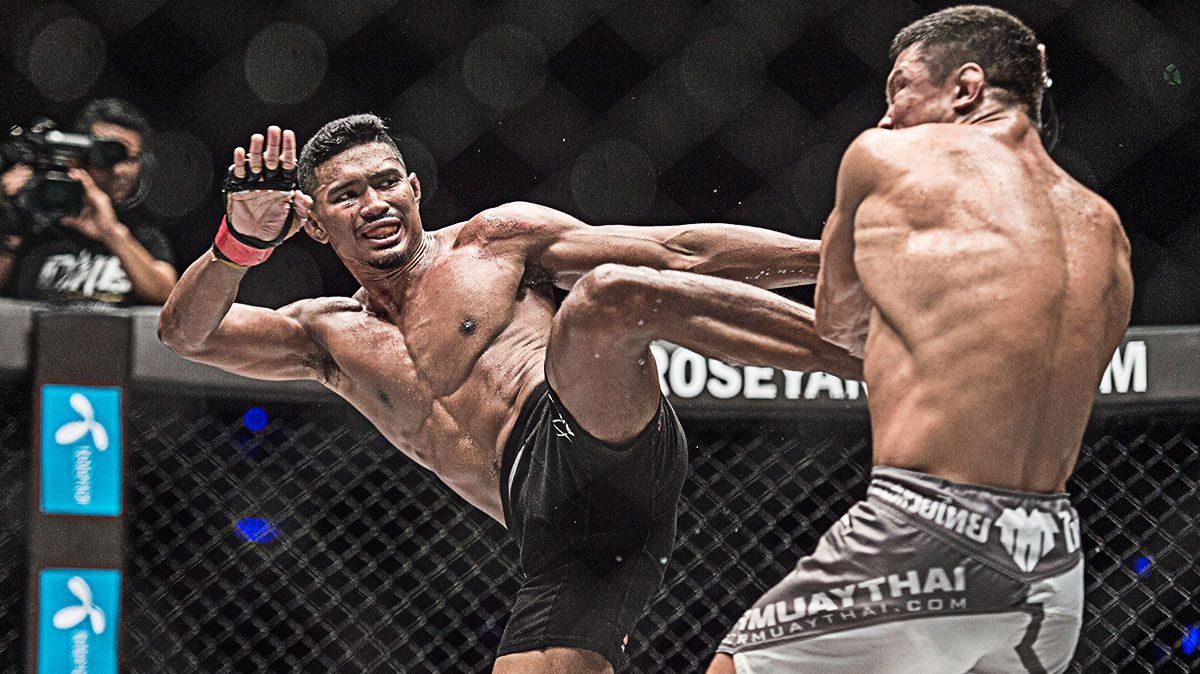
Often celebrated as the "Art of the Eight Limbs," Muay Thai is widely regarded as the most cultured and effective striking art utilized in mixed martial arts. By integrating fists, elbows, knees, and shins into a cohesive system, Muay Thai provides practitioners with an exceptionally diverse array of offensive and defensive weapons to neutralize opponents in the striking range.

Over the years, numerous elite athletes have demonstrated the devastating effectiveness of Thailand’s national sport inside the cage. Icons such as Jose Aldo, Anderson Silva, Joanna Jędrzejczyk, Dejdamrong Sor Amnuaysirichoke, Wanderlei Silva, and Valentina Shevchenko have utilized Muay Thai to carve out legendary careers. In promotions like ONE Championship, modern masters such as Yodsanklai Fairtex and Sam-A Gaiyanghadao continue to showcase the precision and power of the discipline at the highest levels. Furthermore, the pervasive presence and deep reverence for Muay Thai in premier MMA gymnasiums across the globe underscore its status as an indispensable striking foundation.

From low leg kicks and snappy push kicks (teeps) to suffocating clinches, sweeping maneuvers, devastating roundhouse kicks, and razor-sharp elbows, Muay Thai reigns supreme in the standing department of mixed martial arts. Few, if any, striking arts offer a comparable depth of techniques for an MMA practitioner’s offensive arsenal.

Brazilian Jiu-Jitsu (BJJ)
The foundational history of modern MMA is inextricably linked with Brazilian Jiu-Jitsu. The UFC was co-founded by Rorion Gracie, a legendary BJJ master and patriarch of the world-famous Gracie family, who sought to prove to a global audience that Jiu-Jitsu was the most effective martial art in existence. His brother, Royce Gracie, made an emphatic case for this philosophy by winning three of the first four tournament-style Ultimate Fighting Championships, cementing BJJ’s revolutionary impact on combat sports.

In the early to mid-1990s, the broader fighting community was largely unprepared for the intricacies of ground combat, making BJJ a mysterious and unstoppable force. In the modern era, however, training in Brazilian Jiu-Jitsu has become an absolute requirement for any athlete aspiring to compete at a high level. The catalog of legendary champions who have reached the pinnacle of the sport through slick submissions and positional control is extensive.

From ubiquitous techniques like the rear-naked choke and armbar to sophisticated maneuvers such as the Von Flue choke and the Gogoplata, BJJ remains as fundamental to the mechanics of mixed martial arts as mechanical engineering is to the operation of an automobile.

Boxing
As the world’s most popular standalone martial art, boxing serves as one of the most critical foundational disciplines integrated into the MMA cage. Regardless of whether a fighter’s primary background is rooted in Muay Thai, kickboxing, taekwondo, karate, or kempo, mastering the fundamentals of punching—the jab, cross, hook, and uppercut—is an expected baseline for any world-class competitor.

By its very nature, boxing places an intense emphasis on footwork, distance management, head movement, cutting angles, and finding innovative openings to land clean strikes. While traditional boxing prohibits strikes below the waist and clinching tactics common in other martial arts—making it incomplete as a standalone base for a comprehensive MMA striking strategy—the tactical advantages possessed by a savvy boxer inside the cage are immense. Throughout the history of the sport, elite athletes including Max Holloway, Jorge Masvidal, Conor McGregor, Nick and Nate Diaz, and Georges St-Pierre have heavily emphasized their boxing acumen to control the pace and dictation of their bouts.

Kickboxing
While Muay Thai is often viewed as a more deeply traditional and cerebral combat discipline, numerous athletes have successfully navigated the professional ranks as kickboxers before transitioning and flourishing in mixed martial arts. High-profile competitors such as Stephen "Wonderboy" Thompson, Israel Adesanya, Holly Holm, Michael "Venom" Page, Mirko Cro-Cop, and Alistair Overeem have famously leveraged their elite kickboxing backgrounds to achieve championship success.

Although kickboxing provides an exceptional platform for striking proficiency, some analysts argue it lags slightly behind Muay Thai in the context of MMA due to a more limited arsenal of techniques, particularly concerning the exclusion of elbow and knee strikes in standard rule sets. Nevertheless, kickboxing remains a vital and highly effective component of the modern mixed martial artist’s education, firmly earning its place among the most influential disciplines shaping the sport today.