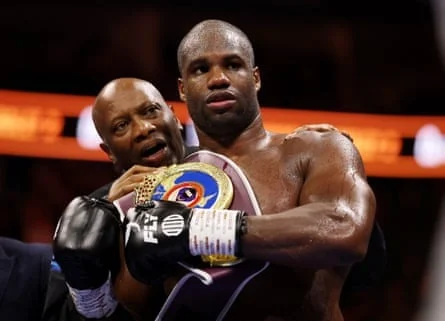

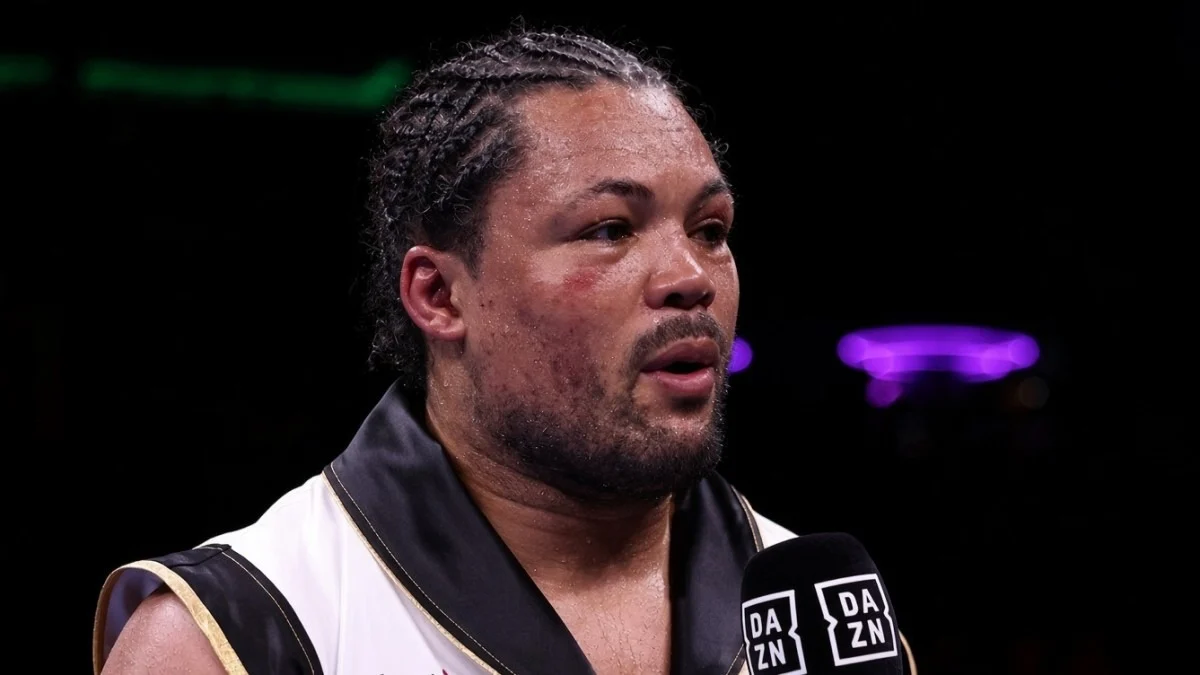
Former interim heavyweight champion Joe Joyce has broken his silence regarding persistent questions surrounding his health, speech, and future in boxing, revealing that he received a neurodivergent diagnosis last year.
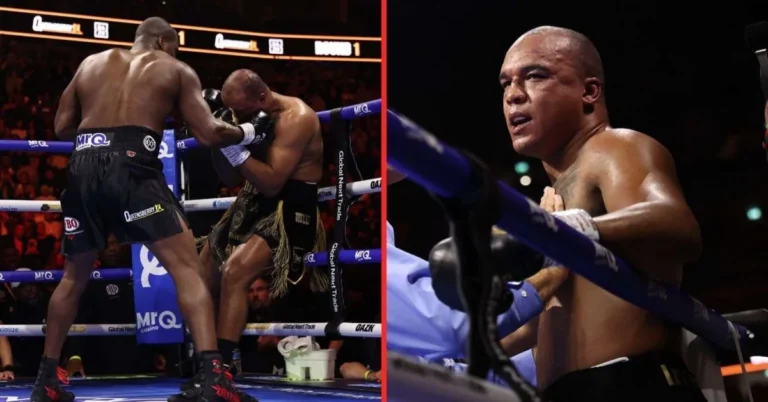
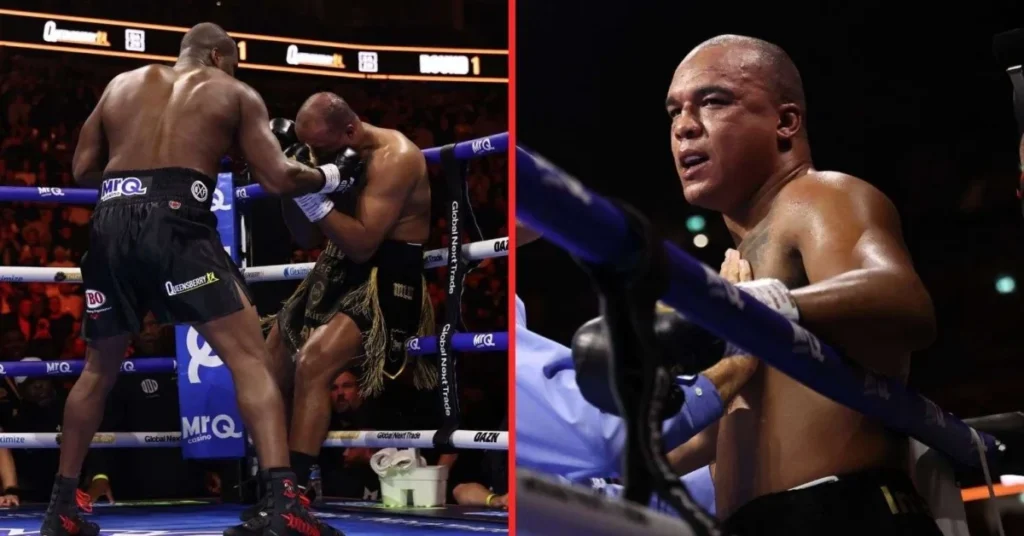
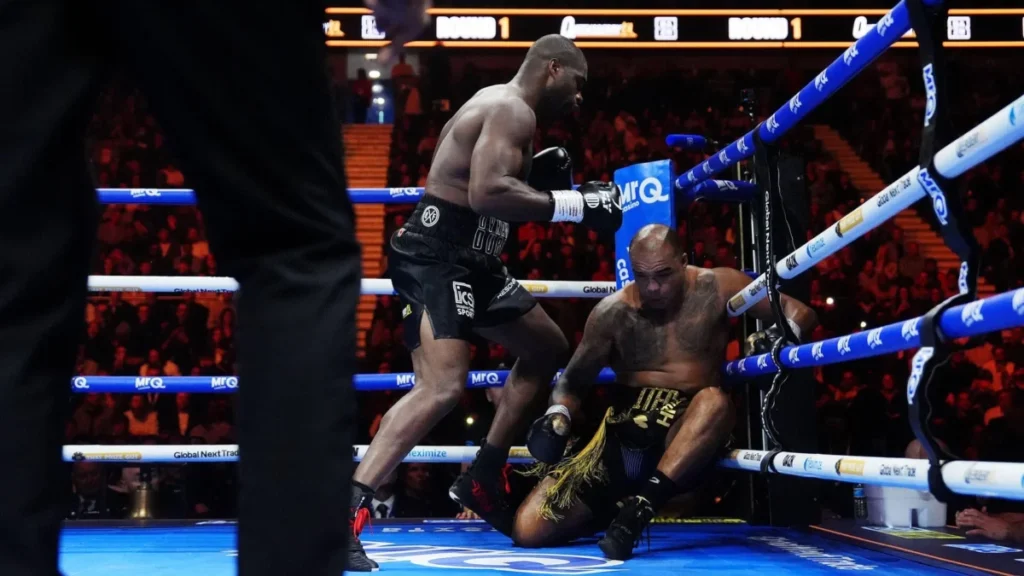
The 40-year-old British heavyweight, famously known as “The Juggernaut,” continues to face intense public scrutiny following a difficult stretch in his professional career. With multiple recent defeats added to his record, online commentators and boxing analysts have increasingly drawn comparisons between Joyce and former heavyweight warrior Danny Williams, questioning whether the accumulated punishment inside the ring is taking an irreversible toll on the veteran fighter.
However, Joyce has now offered an entirely different perspective on the concerns regarding his health and the cognitive effects of a grueling career at the highest level of professional sports.
The British contender discussed the sensitive subject during a deeply personal and emotional interview with The Daily Mail, which directly addressed public suggestions that his characteristically slow and deliberate manner of speaking might be linked to neurological damage sustained from boxing. The interview was promoted with the emphatic declaration, “I haven’t got CTE,” as Joyce sought to clear up misconceptions about his physical and mental wellbeing.
This latest revelation arrives after a series of punishing defeats that have raised difficult questions about whether the former Olympic medalist should step away from the sport entirely. Yet, rather than focusing solely on the physical toll of combat sports, Joyce chose to pivot toward a diagnosis that has provided him with profound personal clarity.
Joyce revealed that he learned he was neurodivergent last year, describing the discovery as liberating after spending the vast majority of his boxing career feeling profoundly misunderstood by fans, media, and peers alike.
Neurodivergence is not a medical diagnosis or illness in its own right; rather, it is a non-medical term used to describe individuals whose brains process information, learn, communicate, or perceive the world differently from what is typically expected. This broad umbrella includes conditions such as autism, attention deficit hyperactivity disorder (ADHD), and dyslexia, among others. These neurological differences are natural variations in human brain function and are not conditions that require a cure.
While Joyce did not specify a particular condition within his accompanying public statement, the revelation sheds new light on traits that have characterized his public persona for years.
In fact, the slugger has long been misunderstood by those observing him from the outside, a dynamic that boxing media outlets like World Boxing News have observed firsthand. Joyce previously spoke to WBN in the weeks immediately following his remarkable achievement of winning a silver medal for Team GB at the 2016 Olympic Games in Rio de Janeiro. Even back then, during the peak of his amateur success, Joyce spoke slowly and deliberately—a conversational rhythm not far removed from how he communicates today.
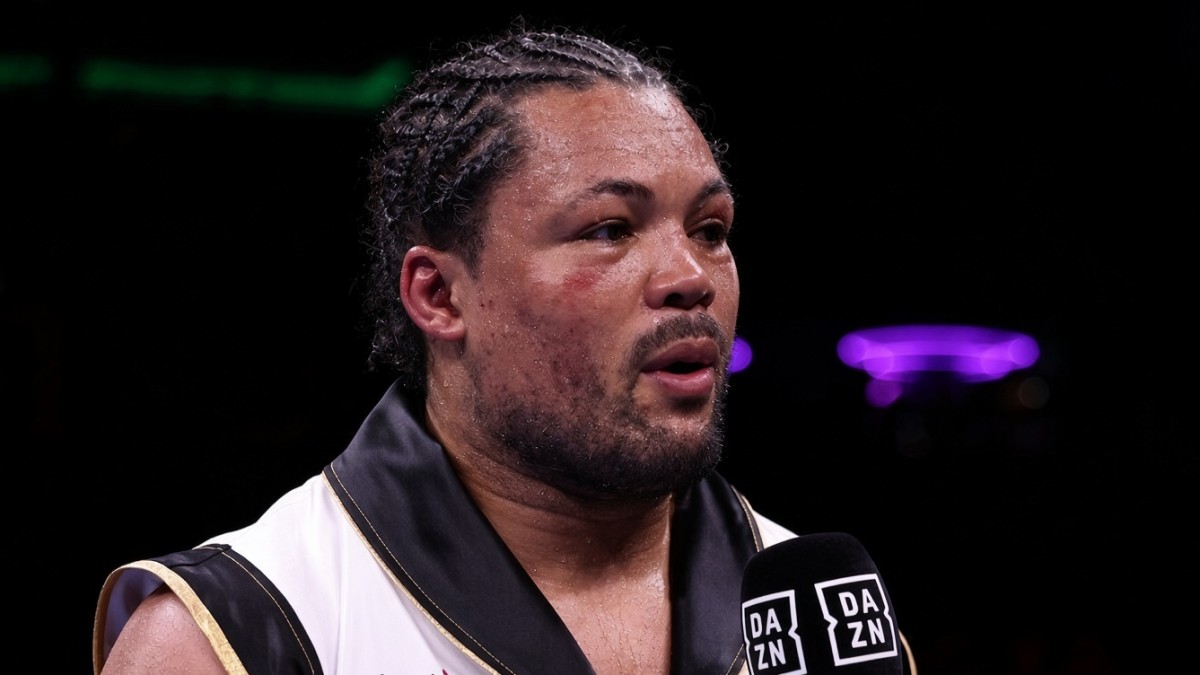
It is only in recent years, as Joyce has become embroiled in a series of punishing, high-level heavyweight battles, that observers have begun attributing his natural cadence to being “punch-drunk” or suffering from the accumulated effects of a long boxing career. While historical observations of his speech patterns do not settle complex medical questions regarding brain health, they provide essential context for the discussions surrounding Joyce today.
Joyce Statement
Following the publication of his interview with The Mail, Joyce shared a heartfelt and deeply personal statement with the public, explaining precisely what his recent diagnosis meant to him and why he ultimately decided to speak out on such a sensitive topic.
“I’m incredibly proud of this interview, and grateful for every message of support,” Joyce stated. “I’ve never been a big talker, and I’ve often felt misunderstood in the boxing world.”
Reflecting on the impact of his diagnosis, the former interim champion credited his support network for helping him navigate the revelation. “Being diagnosed as neurodivergent last year was liberating. Working with the team at Kove over the past 12 months has been life-changing.”
Joyce emphasized that his primary motivation for going public was to support others who might be quietly navigating similar challenges without the necessary tools or understanding. “When I was deciding whether to be this public with his story, it was the idea of helping others that motivated me. I want to be a force for good. Being neurodivergent can be very isolating when you don’t have the understanding or the tools. I hope my story can open up more conversation, and make it easier for people to get the support they need.”
Concluding his personal statement, the heavyweight veteran expressed a sense of optimism for the future. “I’m still learning, and for me this is just the beginning.”
Joyce Wants to Help Others
The timing of Joyce’s revelation follows a particularly difficult period for the former Team GB standout inside the ring. Having lost five of his last six professional bouts, the Londoner has faced mounting calls from pundits and fans alike to hang up his gloves and prioritize his long-term health.
Joyce has previously been transparent about the economic realities of professional boxing, admitting candidly that he is not currently in a financial position to simply walk away from the sport, despite the significant punishment he has absorbed in recent years. Recognizing the need to prepare for life after competitive combat sports, World Boxing News previously reported that Joyce had begun actively pursuing acting opportunities alongside his ongoing boxing career, having successfully completed his first short film and begun auditioning for additional dramatic roles.
While the legitimate concerns surrounding Joyce’s boxing future have by no means disappeared, experts and supporters note that his neurodivergent diagnosis should not be conflated with a clinical medical assessment of the long-term neurological effects of his fighting career.
Nevertheless, after enduring years of public speculation and judgment regarding his speech and demeanor, Joe Joyce has finally offered his own authoritative explanation of what it means to have spent a lifetime feeling misunderstood. For a warrior who has absorbed immense punishment inside the squared circle, stepping forward to share his personal truth is about far more than securing his own peace of mind—it is an effort to clear a path and offer hope to others who have spent years feeling judged for the way their minds work.