The high-profile October 31 showdown between Mexican boxing superstar Canelo Alvarez and Christian Mbilli in Saudi Arabia has reportedly descended into a high-stakes financial standoff. Prominent figures and boxing insiders suggest that neither side wants to shoulder the responsibility—or the financial fallout—of canceling the event as security concerns in the region continue to mount.
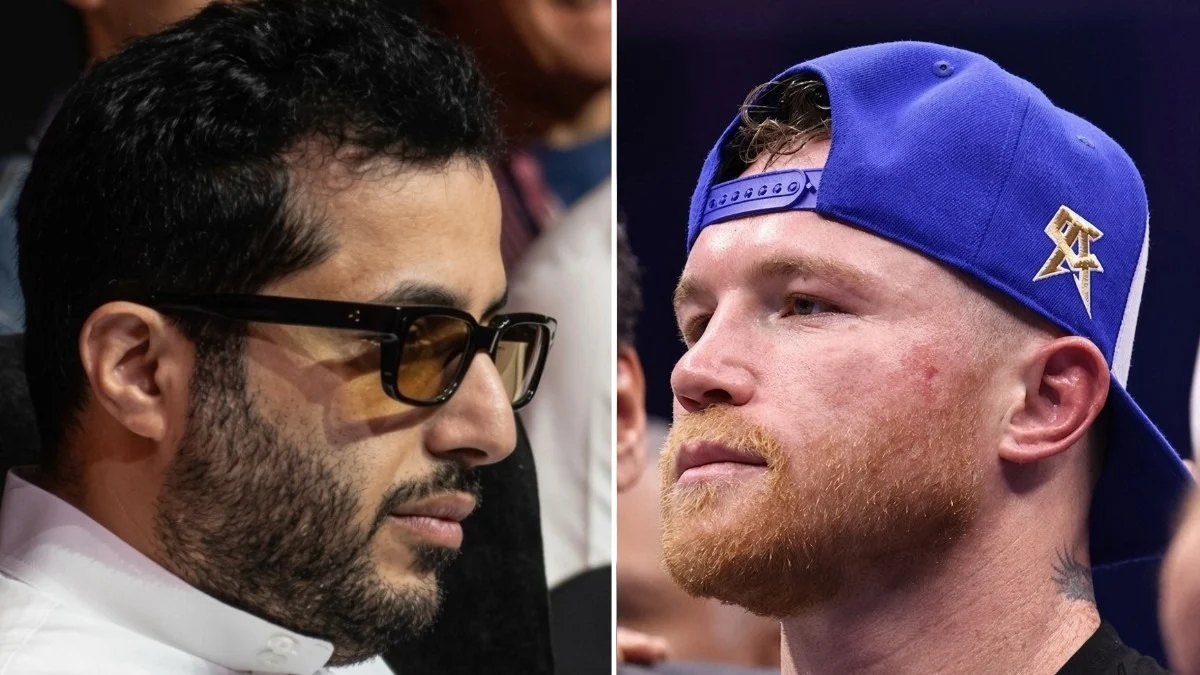
Boxing reporter Ricardo Celis has highlighted the complex financial mechanics underpinning the stalemate, describing the situation as a high-stakes tug-of-war between Alvarez and Saudi boxing mastermind Turki Alalshikh. According to industry analysis, the financial liabilities dictate every move: if Alvarez chooses to walk away and cancel the fight unilaterally, he reportedly forfeits his purse; conversely, if Alalshikh and the event organizers pull the plug, contractual obligations would require them to pay Alvarez his guaranteed money.
This financial gridlock comes at a critical juncture. While Alvarez has publicly and privately maintained his intention to travel to Riyadh and proceed with the bout, escalating security apprehensions in Saudi Arabia have placed intense pressure on both camps to reevaluate the wisdom of holding a major international sporting event in the region under the current conditions.
Canelo and Turki Standoff
The shadow over the upcoming card has lengthened as regional tensions ripple through Saudi Arabia’s sports and entertainment landscape. Other major sporting events scheduled in the kingdom have already been quietly postponed or relocated in response to recent unrest, bringing Alvarez’s championship challenge against Mbilli under intense public scrutiny.
Despite the growing unease, Alalshikh has adamantly defended the integrity of the October 31 date, insisting that the Mexican icon remains fully committed to fighting in the Middle East. Alalshikh took to social media to relay Alvarez’s reported mindset directly to the boxing world, stating that the former undisputed champion reached out personally to confirm his participation. According to Alalshikh, Alvarez stated that he would fight in Riyadh this October regardless of outside circumstances and that he "fears nothing."
However, with the opening bell just two weeks away, the decision to press forward with the event in Riyadh has drawn sharp external criticism. Among the most vocal detractors is former multi-division champion and promoter Oscar De La Hoya, who did not mince words regarding the volatile security climate. In a blunt assessment that reverberated across the combat sports community, De La Hoya publicly questioned the logic of proceeding with the event, stating that there is no way he would travel to the region given the ongoing situation.
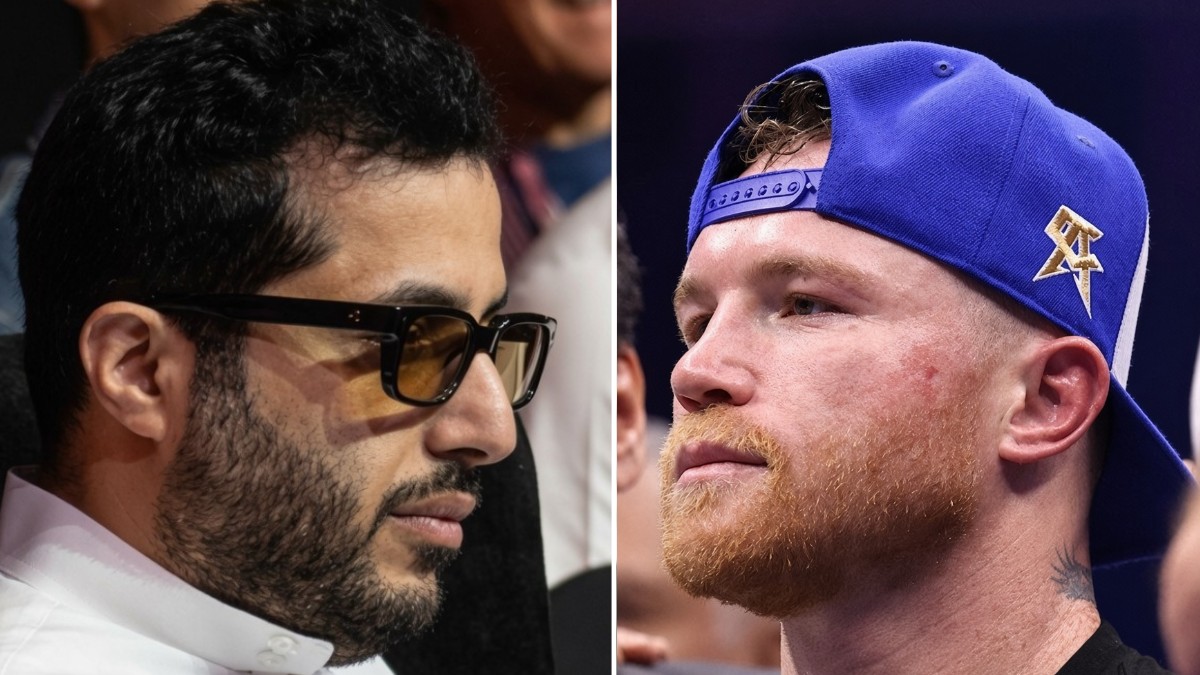
De La Hoya’s outspoken intervention has only added to the mounting pressure on Alvarez to reconsider his position, while simultaneously challenging Alalshikh’s resolve to keep the marquee matchup anchored in Riyadh.
Saudi Arabia Fight Concerns
The core of the controversy stems from acute safety concerns following deadly attacks on Riyadh’s international airport. Local and international reports have confirmed fatalities and hundreds of injuries stemming from the security incidents, prompting heightened travel advisories and a broader reevaluation of large-scale public gatherings in the capital.
World Boxing News has previously analyzed the severe career implications of the crisis, raising the distinct possibility that Alvarez could find himself sidelined for the remainder of 2026 without another competitive appearance if the bout with Mbilli is postponed and the security situation fails to stabilize. For a fighter of Alvarez’s stature and activity level, missing a crucial window to close out the year would represent a major disruption to his career trajectory.
From a logistical standpoint, relocating the contest to a neutral, secure venue outside of Saudi Arabia appears to be the most practical solution for all parties involved. A venue change would allow Alvarez and Mbilli to settle their differences inside the squared circle without the looming cloud of regional security risks dictating the narrative of the fight week.
At the same time, moving the event away from Riyadh could present complications for the Kingdom’s broader sports strategy. Such a retreat has the potential to undermine the carefully cultivated image of Saudi Arabia as a safe, premier destination for elite international sporting spectacles—a reputation that Alalshikh has spent years building through the banner of Riyadh Season.
The scheduled October 31 bout holds immense sporting significance. Alvarez is slated to challenge Mbilli for the WBC super middleweight title, a crucial opportunity for the Mexican star to reassert his dominance in the division following his high-profile defeat to Terence Crawford in September 2025.
With the calendar rapidly ticking down toward fight night, the October 31 showdown officially remains on the schedule, defying the mounting chorus of calls to shift the venue. Celis and other observers maintain that the uncompromising financial consequences are the primary anchor keeping the fight tethered to Riyadh, even as the justification for staging the event there grows increasingly precarious. As the standoff continues, neither Alvarez nor Alalshikh has shown any indication of blinking first.