


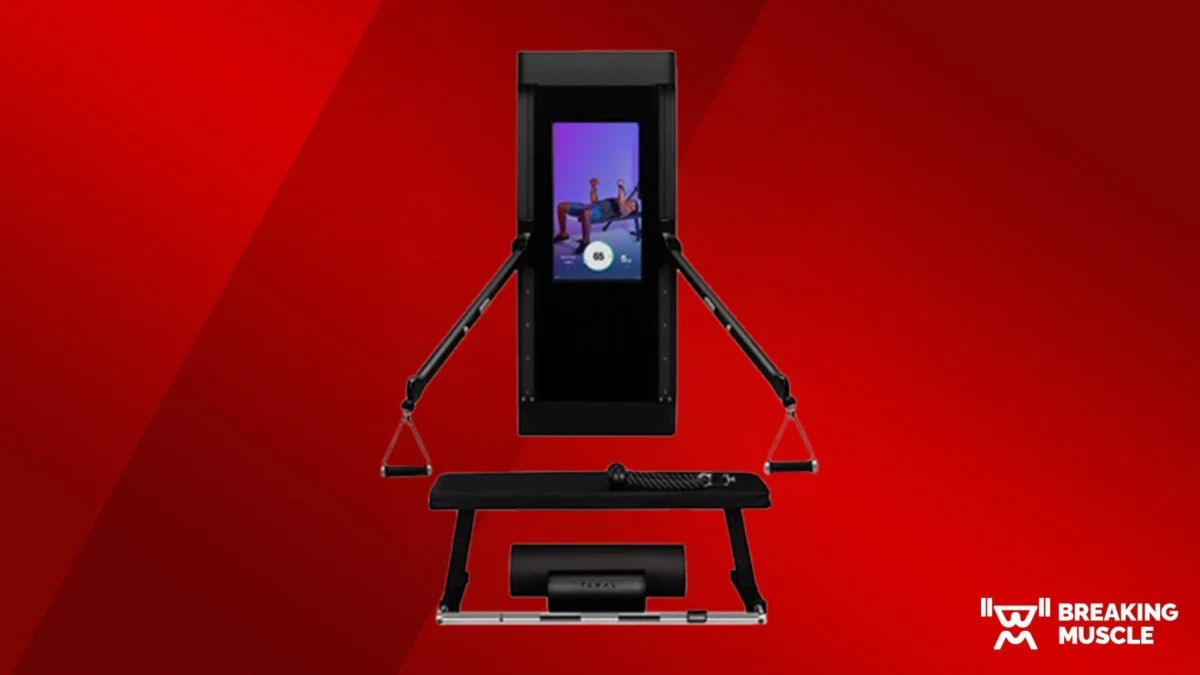
The fitness technology landscape continues to evolve rapidly, and at the forefront of the smart home gym movement is Tonal, a high-tech wall-mounted system that aims to replace traditional free weights, cable machines, and even a standard gym membership. By combining digital electromagnetic resistance with artificial intelligence, Tonal makes starting an effective strength workout as seamless as stepping into an adjacent room.
As a certified personal trainer and wellness product reviewer, I have evaluated—and often subsequently abandoned—numerous pieces of home exercise equipment over the years. However, working alongside a team of expert product reviewers, some of whom have owned a Tonal system for several years and continue to use it consistently, offered a unique long-term perspective. This comprehensive review outlines our collective experience using the system, detailing the hardware, workouts, smart accessories, and advanced software features. To provide further insight into the machine’s capabilities, we also consulted fitness expert Rachael Gonzalez, C.P.T., C.S.C.S., regarding Tonal’s specialized workout modes and their physiological benefits.
Based on our extensive hands-on experience, we award Tonal an overall rating of 5 out of 5. The system excels across nearly every category, earning top marks for its overall performance, durability, optionality, adjustments, and functionality. The only category left unscored is assembly, as professional installation is mandatory for the device.
In terms of durability, the hardware has proven remarkably resilient over years of consistent use, with no major mechanical failures reported by our testing team. While the adjustable arms can produce a slight mechanical clicking noise during movement—a factor that users installing the unit on a shared wall might want to consider—basic troubleshooting guidelines provided on the official website easily resolve such minor quirks. The physical comfort of the accessories also scores high, with handles, bars, and ropes providing a secure and ergonomic grip during heavy lifts.
The machine’s software intelligence and adaptability are where it truly shines. Tonal automatically scales resistance as users progress, and its movement replacement feature allows exercisers to substitute recommended exercises with safer alternatives. For instance, our testers found this invaluable during pregnancy, when specific twisting movements needed to be bypassed after the first trimester. Furthermore, long-term testing revealed transformative physical results; one reviewer noted that her strength metrics improved dramatically from the bottom 25 percent of all female users to the top 28 percent over several years of consistent training.
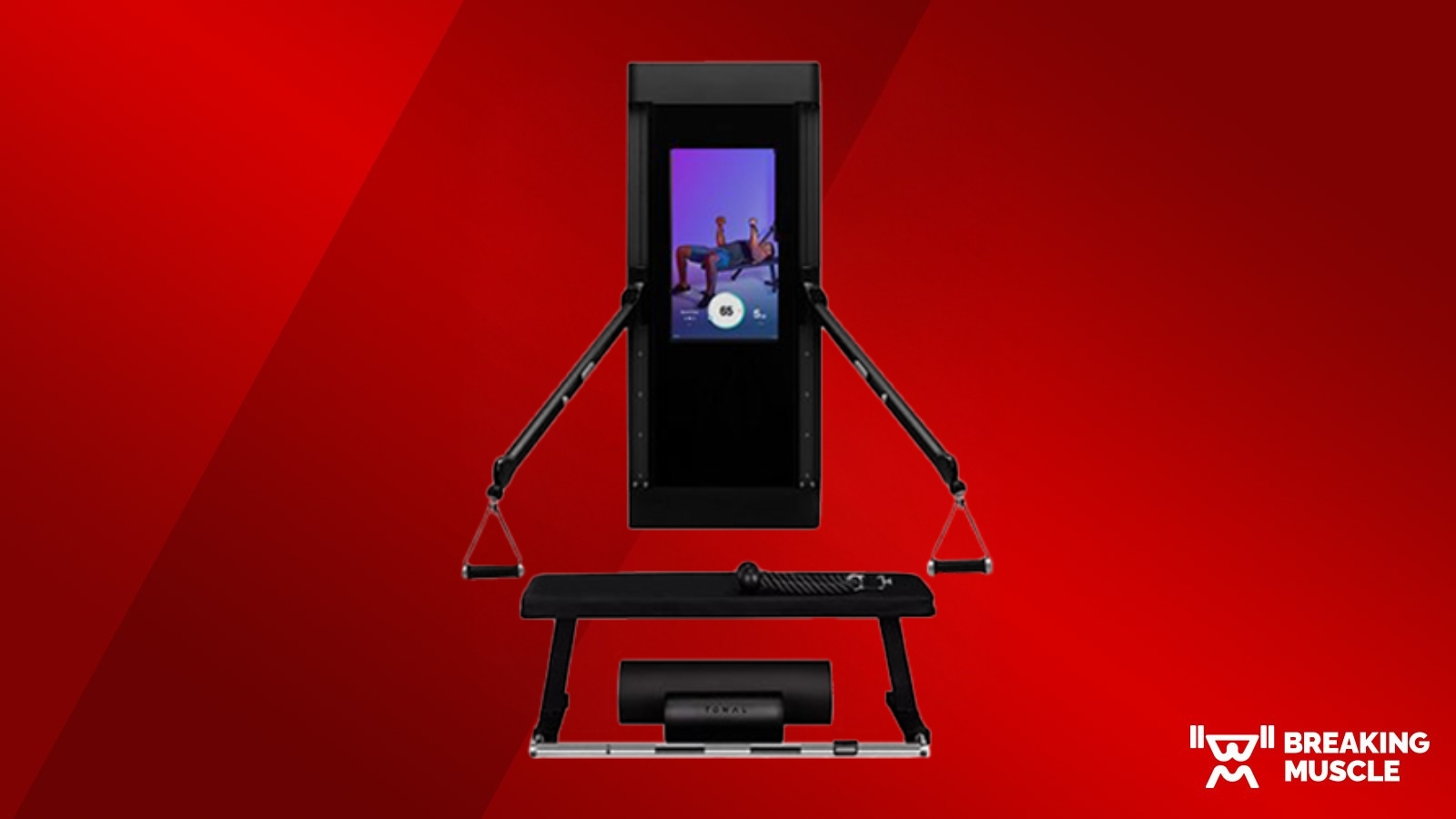
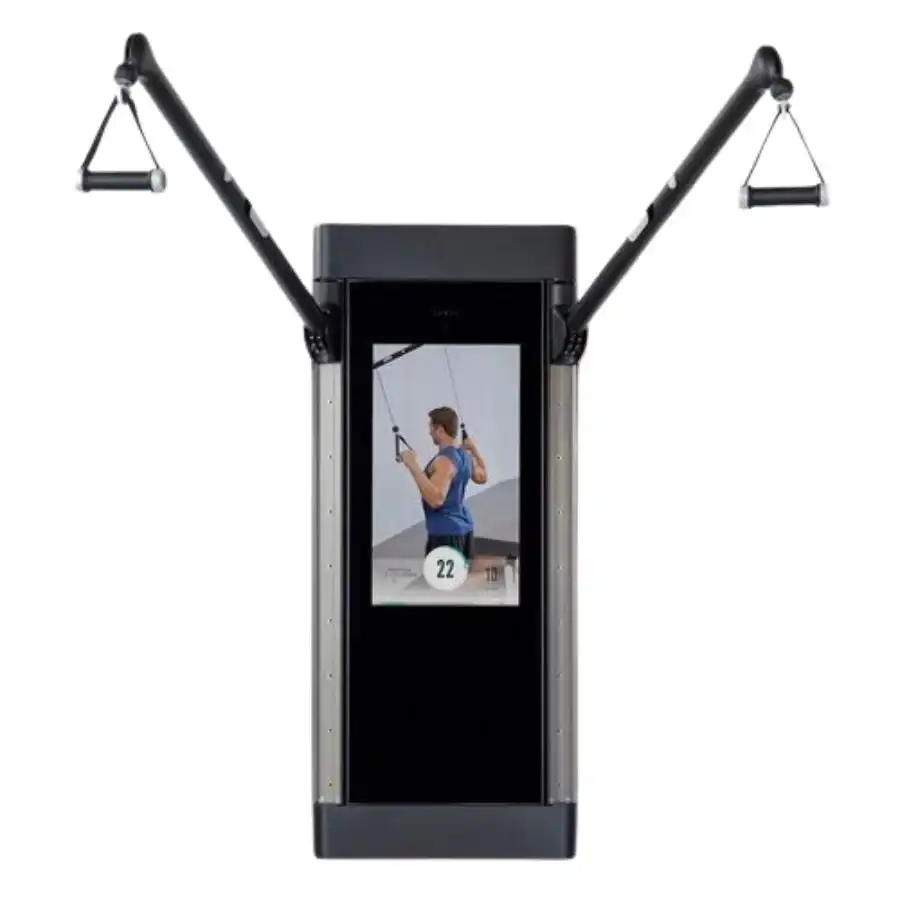
At its core, the Tonal unit is a sleek, wall-mounted smart mirror featuring a vibrant central touchscreen flanked by two adjustable arms. These arms pivot vertically and horizontally to accommodate a massive library of over 170 movements, ranging from traditional strength staples like squats, deadlifts, and bench presses to functional cable exercises like lat pulldowns and tricep extensions. The electromagnetic resistance system delivers up to 100 pounds of resistance per side, combining for a total maximum load of 200 pounds.
Driving this hardware is an artificial intelligence engine known as Coach AI. This system tracks user performance, movement data, and historical progress to automatically recommend weights, design customized programs, and suggest daily workout focuses. Upon initial setup, users complete a Strength Assessment by defining their primary fitness goals and self-identifying as beginner, intermediate, or advanced exercisers. They then perform a series of baseline movements—such as seated lat pulldowns, overhead presses, and bench presses—allowing the AI to calibrate its resistance baselines. While assessing overall fitness from a single initial assessment has inherent limitations, the algorithm continuously refines its weight recommendations based on performance metrics during subsequent training sessions.
During daily workouts, Coach AI evaluates time under tension, power output, range of motion, and pacing. If the system detects form breakdown or instability—such as a barbell tilting unevenly during a heavy bench press—it immediately triggers audio and visual warnings or disengages the resistance entirely for safety. Conversely, if a user moves the weight with excessive ease, the system incrementally increases the load on subsequent repetitions to ensure the intended training stimulus is achieved.
Tonal also features four distinct weight modes designed to mimic advanced training techniques: Spotter, Burnout, Chains, and Eccentric. Spotter mode detects when a user is struggling with a repetition and temporarily reduces the weight to help them complete the movement before restoring the load for the next set. Burnout mode accommodates muscular fatigue by scaling back resistance as sets progress, while Chains mode replicates the real-world athletic sensation of adding metal chains to a barbell by increasing resistance during the concentric, or shortening, phase of a lift. Meanwhile, Eccentric mode amplifies resistance during the lowering phase of a movement, extending time under tension to stimulate greater muscle hypertrophy and strength development.
Accessing these advanced software features, along with the extensive catalog of live and on-demand instructor-led classes, requires a paid monthly membership priced at $60. Tonal mandates this subscription for the first 12 months of ownership. While the base machine retails for $3,995, it ships without accessories, meaning users must purchase either individual components or the comprehensive smart accessories bundle for an additional $495. This bundle includes smart handles equipped with Bluetooth buttons to turn the resistance on and off remotely, a smart bar, a rope attachment, and specialized T-lock adapters for securing third-party gear.
The workout experience itself is designed to eliminate the logistical friction typically associated with strength training. Users simply select a guided program or on-demand class, and the system automatically programs the appropriate weights based on their individual Strength Score. Throughout the session, professional instructors provide real-time form cues, while the screen displays live metrics such as power output, total volume lifted, and time under tension. For those who prefer unstructured training, the Free Lift mode allows users to build custom routines from the movement library while still benefiting from automated weight tracking and data summaries.
Beyond traditional weightlifting, Tonal offers a wide variety of supplemental programming, including high-intensity interval training, yoga, Pilates, barre, cardio, and pre- or post-natal classes. Fitness experts emphasize that this broad variety of modalities helps prevent training plateaus and keeps users mentally engaged. Programs typically span three to five weeks, focusing on specific outcomes such as building lean muscle mass, burning fat, or enhancing overall mobility.
The instructor roster features seasoned professionals hailing from diverse athletic and sports medicine backgrounds. While some users prefer the calm, methodical approach of certain coaches, others gravitate toward high-energy motivators. Furthermore, the Tonal mobile app allows members to track workout history, review achievement badges, monitor milestone streaks, and participate in community leaderboards or the private Facebook group, which boasts tens of thousands of active members.
Despite its high cost—totalling roughly $5,500 within the first year when factoring in the base unit, smart accessories bundle, professional installation fees, and the mandatory first-year subscription—Tonal has cultivated a fiercely loyal user base. Reviewers note that the convenience of eliminating gym commutes, combined with the precision of automated progressive overload, makes the system an invaluable investment for dedicated home exercisers. However, industry analysts point out that the high price tag, the requirement for adequate wall space and structural stud spacing, and the upper limit of 100 pounds of resistance per arm mean the system may not suit budget-conscious consumers, small apartment dwellers, or ultra-advanced powerlifters.
Ultimately, Tonal serves as a comprehensive, space-saving strength training ecosystem for individuals seeking professional-grade guidance and objective data tracking within the comfort of their homes.